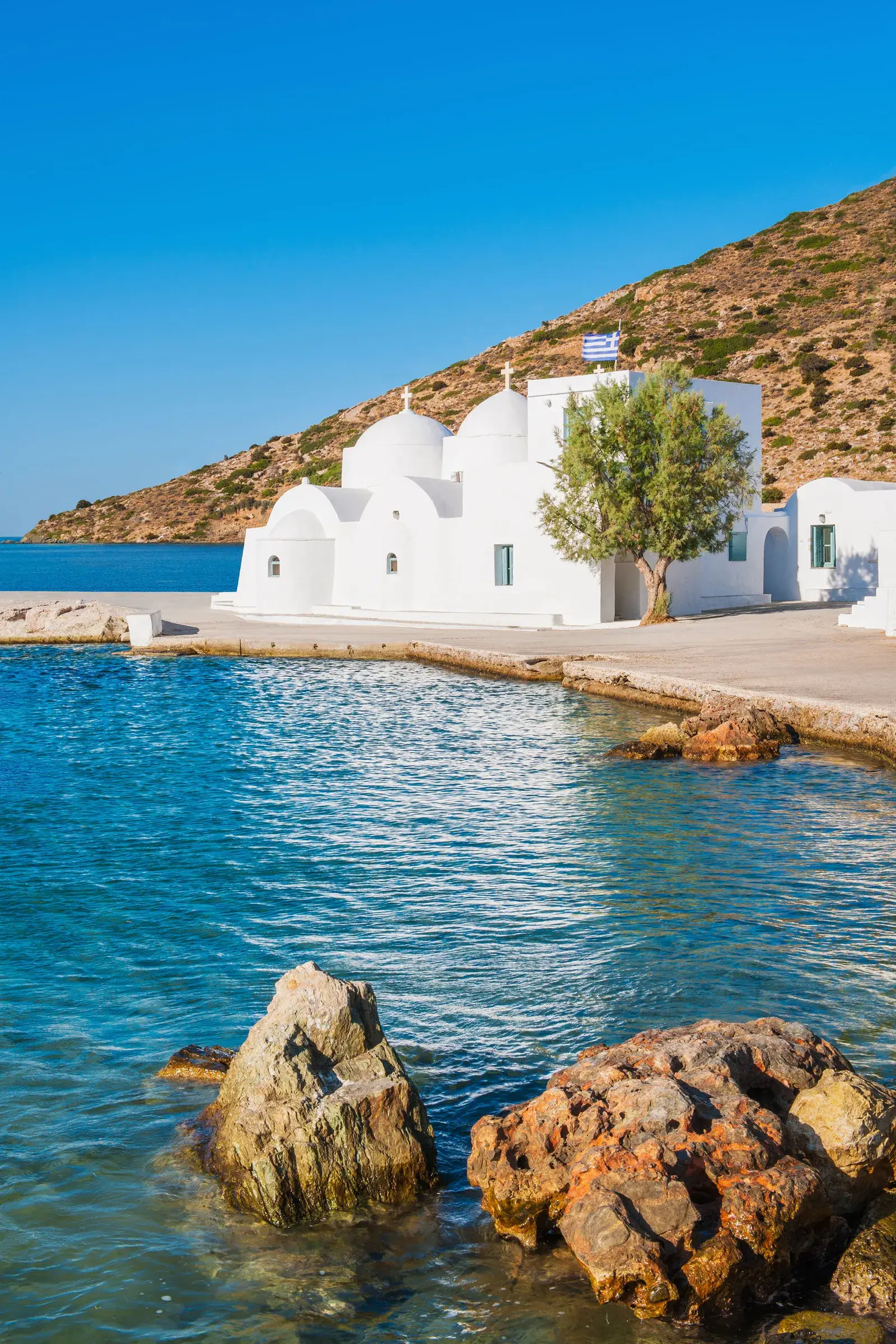
Sail along the Dalmatian Coast, one of Europe’s most dazzling sailing routes, where ancient towns, turquoise coves, and timeless Mediterranean beauty meet.
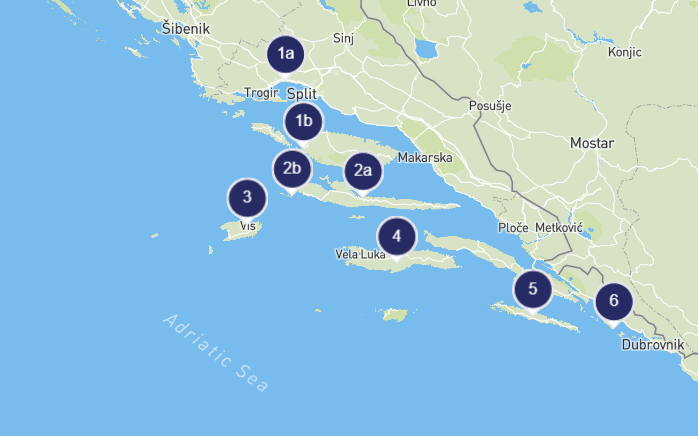
From Split’s historic charm to the island gems of Hvar, Vis, Korčula, and Mljet, and finally to the legendary city of Dubrovnik, this 7-day catamaran charter offers the perfect mix of adventure, elegance, and serenity.
Your journey begins in Kaštela, near Split, where you’ll board your private catamaran and sail towards the picturesque harbor of Milna, on the island of Brač.
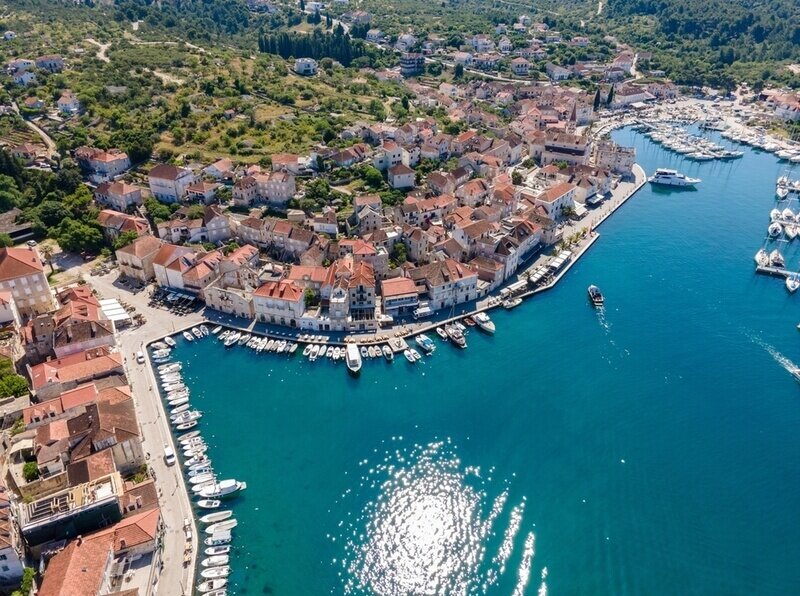
This charming village is famous for its stone architecture and serene bays. Enjoy your first dinner on board or in a cozy seaside restaurant, surrounded by the scent of pine and sea breeze.
Sail to the glamorous island of Hvar, where Venetian elegance meets vibrant island life.

Hvar is a sunny Croatian island known for its history, stunning scenery, beaches, vineyards, vibrant nightlife, and rich culture, offering a blend of relaxation, adventure, and UNESCO heritage sites like ancient olive groves and Europe’s oldest public theatre. Stroll through the cobblestone alleys of Hvar Town and admire the Renaissance architecture. Drop anchor at Palmižana, part of the Pakleni Islands, a lush paradise perfect for swimming and sunset dining.
Next stop: Vis, a secret haven once closed to foreigners, now one of the Adriatic’s most authentic destinations.
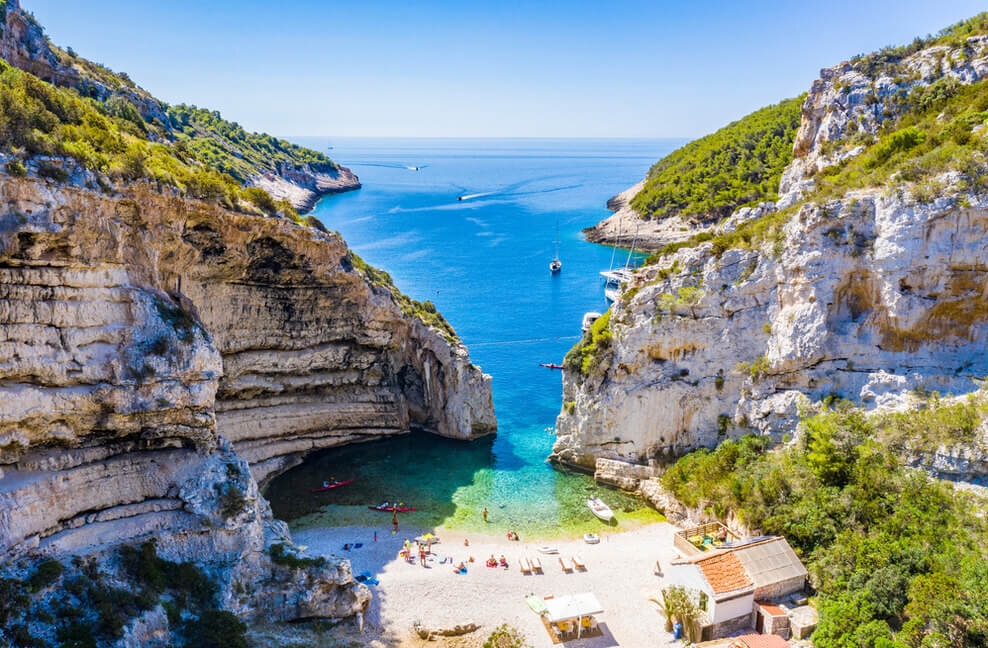
Explore the charming Vis Town, sample local wines Vugava and Plavac, and discover hidden beaches tucked between olive groves. This island feels timeless — peaceful, poetic, and deeply connected to the sea.
Sail south to Korčula, believed to be the birthplace of Marco Polo.
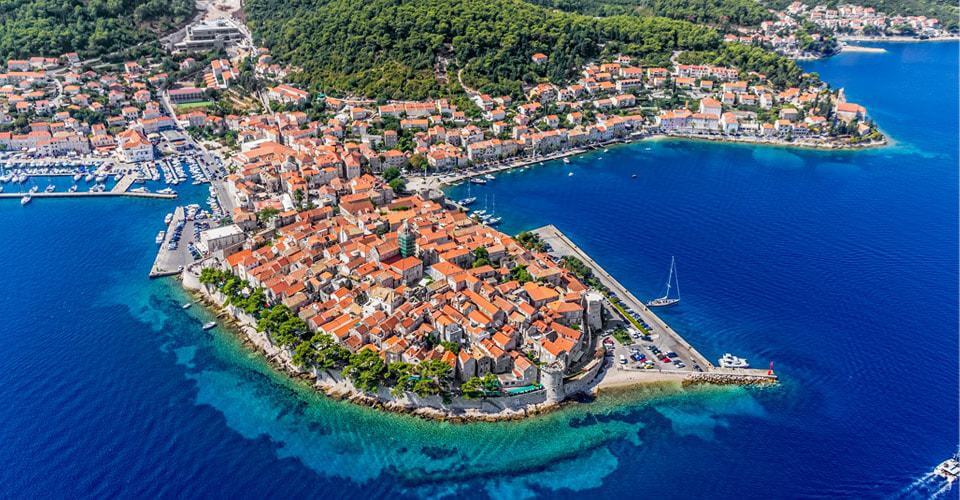
The island enchants with its medieval Old Town, often called “Little Dubrovnik,” and its labyrinth of marble streets. Swim in Proizd or Badija Bay, and in the evening, dine in one of the island’s seaside restaurants overlooking the Adriatic sunset.
Welcome to Mljet, one of the greenest and most mystical islands in Croatia.
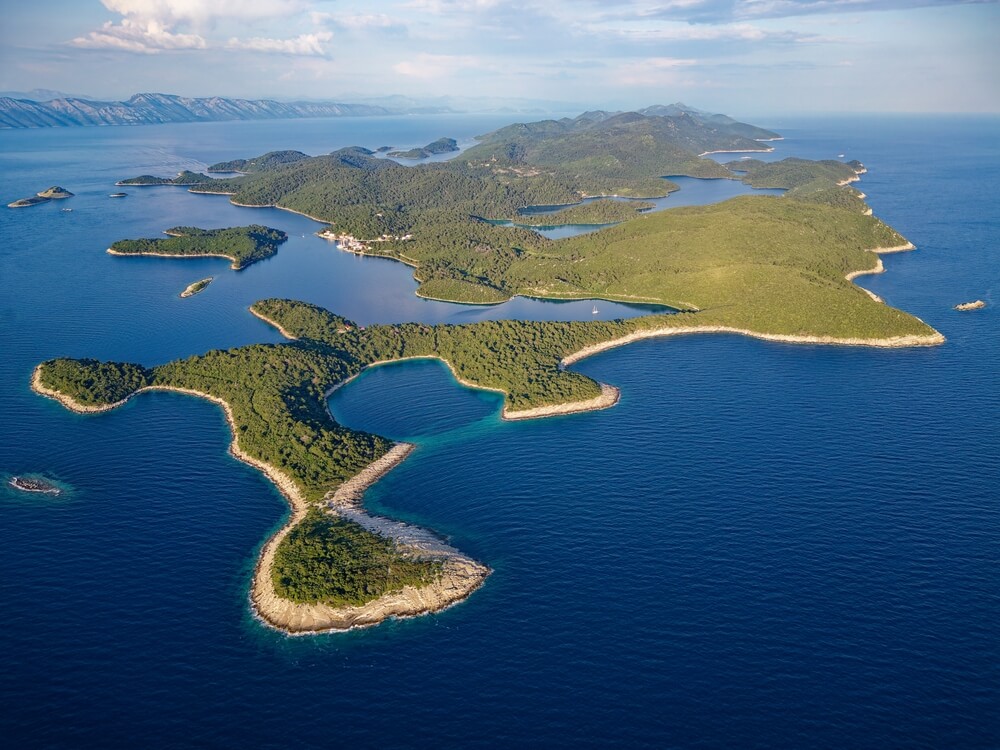
Sail into Polace or Prozura Bay for a swim, then explore the island’s National Park, with its two saltwater lakes and the small islet monastery of St. Mary. This island embodies serenity — perfect for nature lovers and dreamers alike.
Cruise toward the Elafiti Islands, an enchanting archipelago once reserved for Dubrovnik’s nobility.
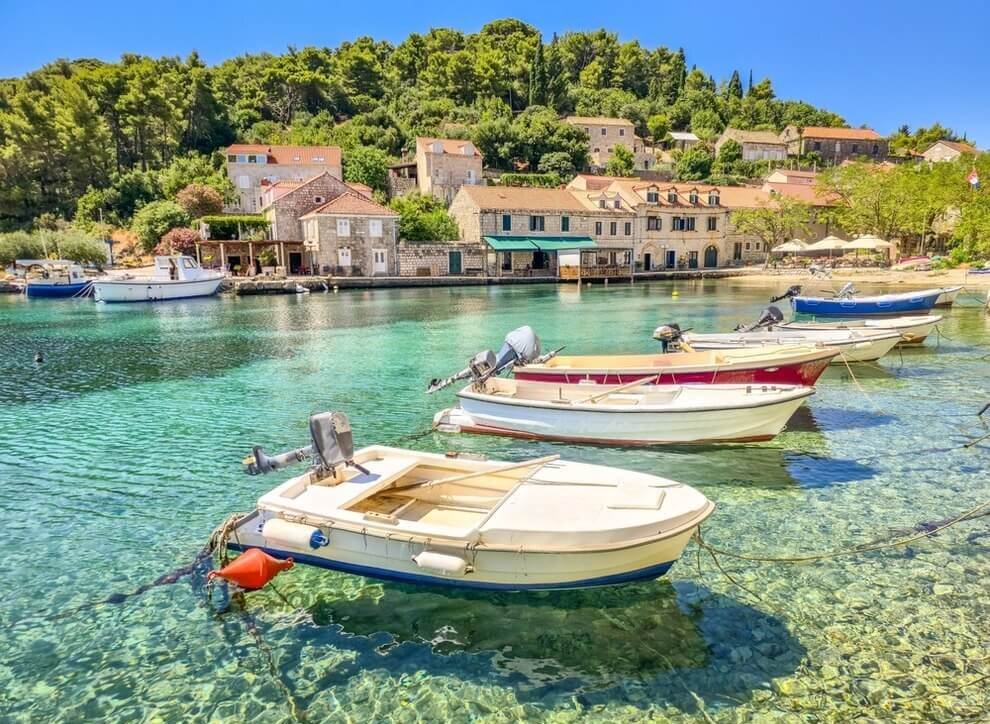
Explore Koločep, Šipan, and Lopud — each offering secret coves, sandy beaches, and timeless charm.These islands are ideal for snorkeling, sunbathing, or simply relaxing on deck with a glass of Croatian wine.
Your journey ends in the magnificent Dubrovnik, the “Pearl of the Adriatic.”
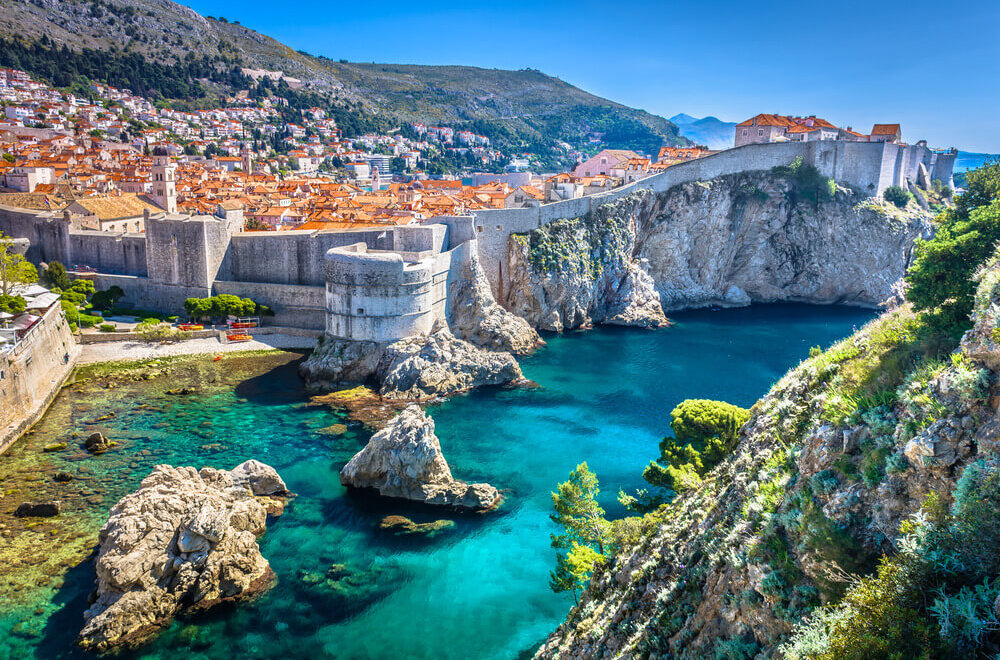
Sail along its medieval walls before entering the Old Harbor — a UNESCO World Heritage Site. Walk through the marble streets, visit filming locations from Game of Thrones, and end your trip with dinner overlooking the beautiful Adriatic Sea.
—
7 Days in the Cyclades Islands from Mykonos/ParosSet sail from the world-famous island of Mykonos, and let the wind carry you through the Aegean’s most dazzling destinations — Serifos, Milos, Folegandros, Santorini, Ios, Paros, and Delos.
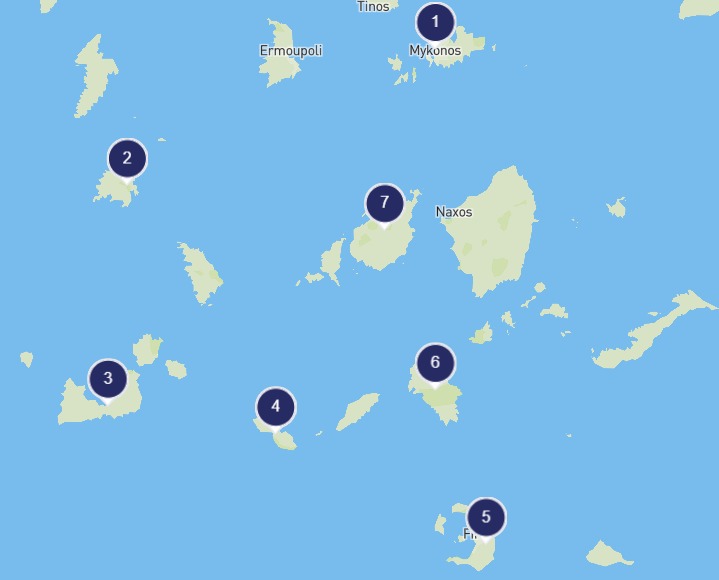
Each island tells its own story: from volcanic cliffs and postcard-perfect villages to secret coves and unforgettable sunsets. Aboard your luxury catamaran, you’ll discover the authentic Cycladic spirit — whitewashed beauty, deep blue horizons, and the effortless elegance of sailing freedom.
Sail away from the cosmopolitan buzz of Mykonos toward Serifos an island of raw beauty and authentic charm.
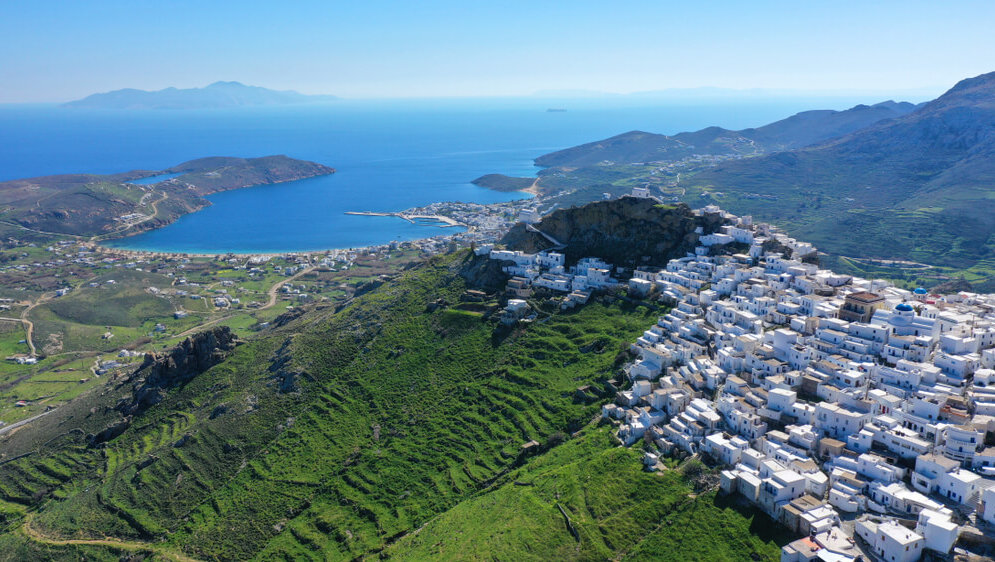
The Cycladic island of Serifos is one of the prettiest off the beaten track destinations of the Aegean! With no overwhelming numbers of tourist facilities, its has maintained its traditional atmosphere and the untamed beauty of its natural landscape! Explore Chora, set above the sea, known for its narrow streets, windmills, and beautiful light.
Continue your journey to Milos, a volcanic masterpiece sculpted by nature’s artistry.
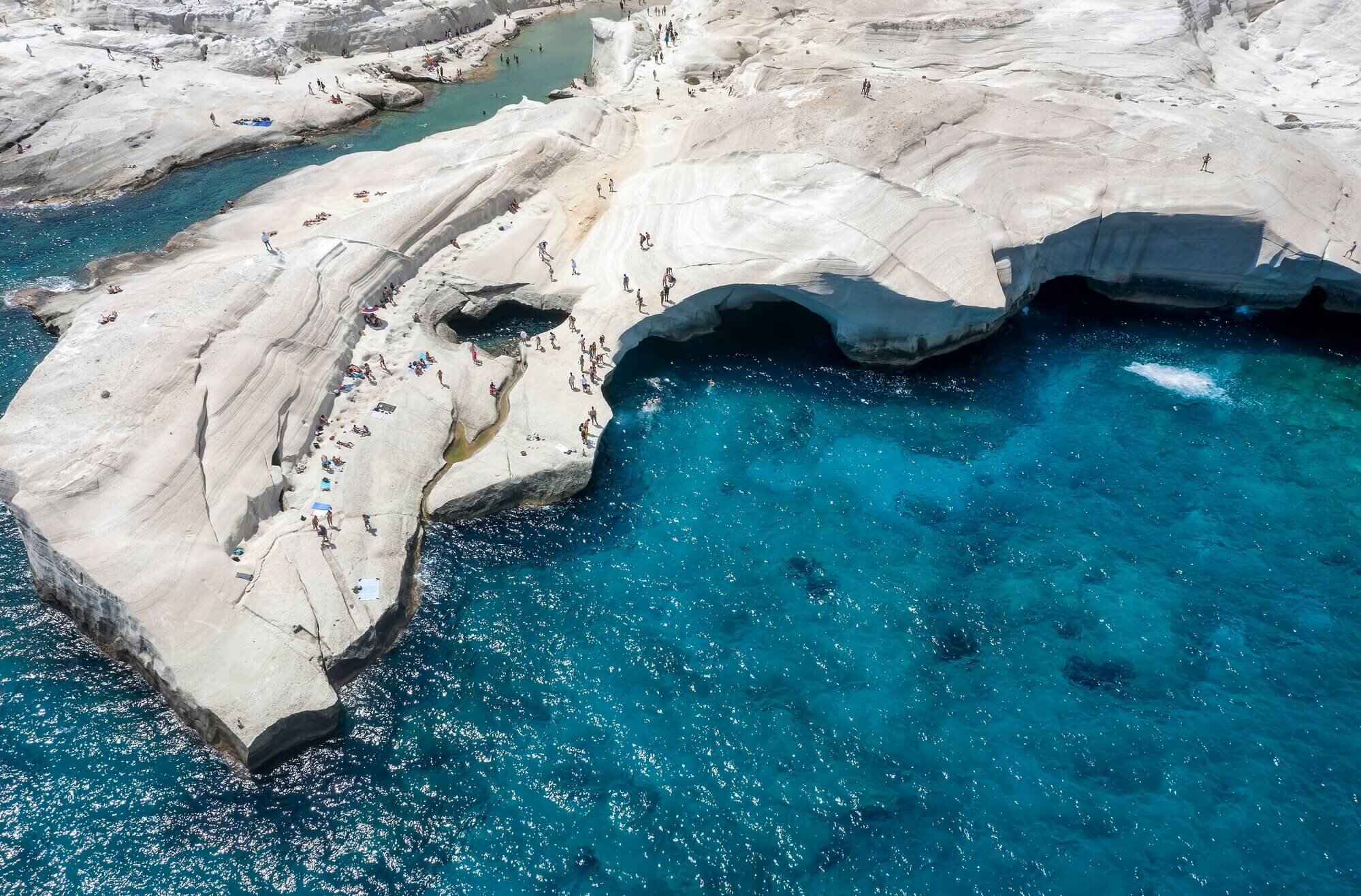
The rare morphology of Milos, along with its mineral richness, creates dream-like combinations of spectacular rock formations and caves, mosaics of various textures and breath-taking colors that surprise and enchant everyone lucky enough to visit this island.
With over 40 beaches, each one different in color and character, Milos is a paradise for sea lovers. Visit Sarakiniko, the moonlike landscape of white volcanic rock, or Kleftiko, where caves and crystal blue waters invite you to dive in and explore. As night falls, the port of Adamas is the perfect spot for a memorable dinner by the water.
Folegandros is an island of incredible natural beauty located between Paros and Santorini.
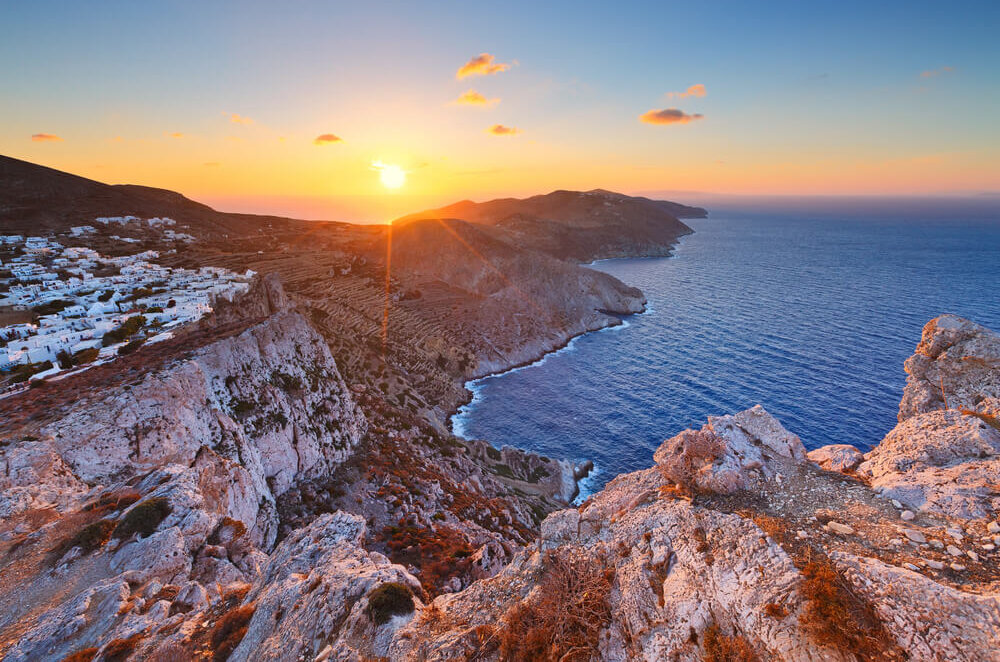
Relatively untouched by international tourists, Folegandros island still manages to keep its unspoiled charm. The hilltop Chora is among the most beautiful in the Aegean — timeless, romantic, and peaceful. The hilltop Chora is among the most beautiful in the Aegean. Tavernas here are serving special local delicacies and fine Greek wine.
Few places in the world can compare to Santorini.
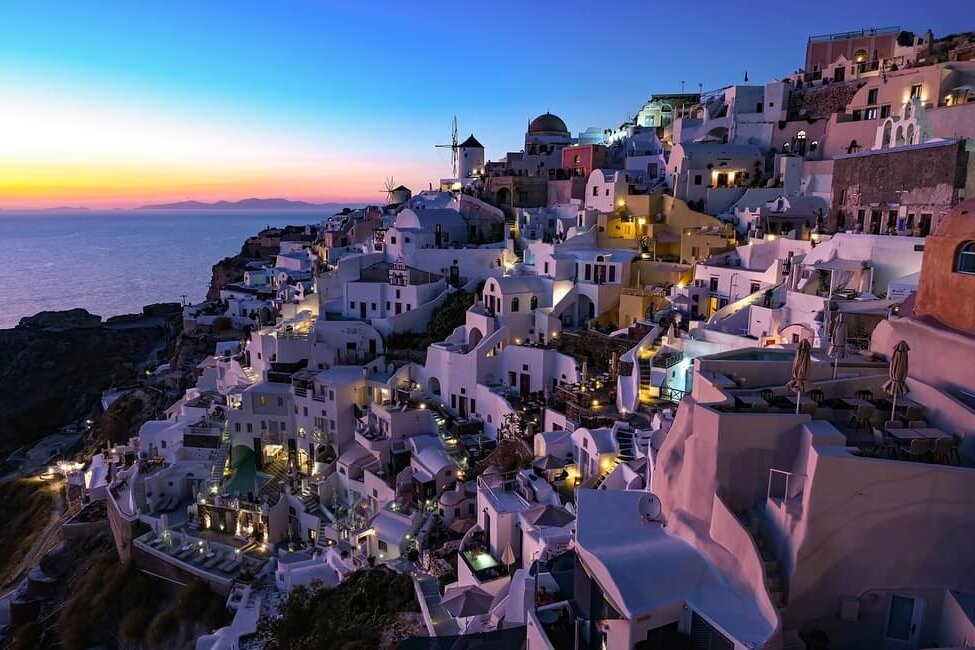
Santorini is one of the most popular travel destinations worldwide and the most visited Greek island. It is one of the most magical places you will ever see! Explore Oia and Fira, admire volcanic beaches of red and black sand, and watch the sunset from the caldera, one of Earth’s most breathtaking sights.
Sail north to Ios a vibrant island where relaxation and rhythm blend seamlessly.
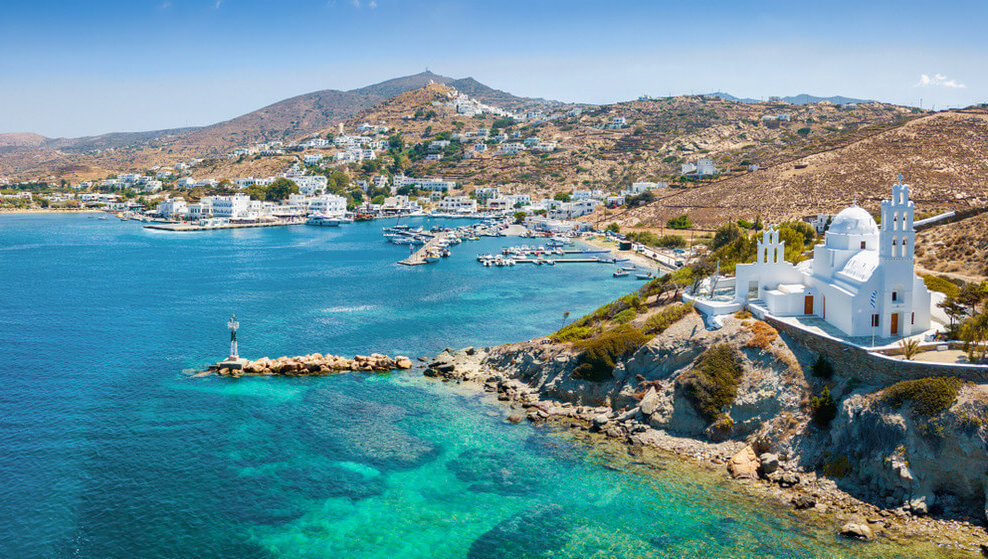
Spend the day swimming at Mylopotas Beach or wandering through the maze-like streets of Ios Chora, filled with boutiques and bars. When evening falls, Ios comes alive — cocktails, music, and laughter echo under the Cycladic moonlight.
Paros welcomes you with a mix of tradition and sophistication.
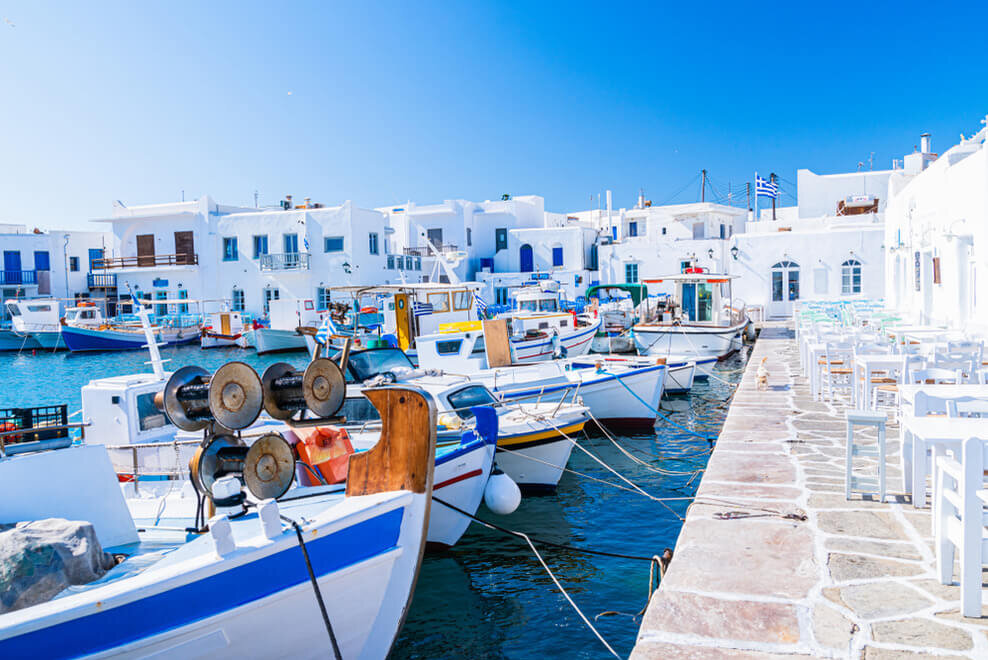
Its harbor towns of Naoussa and Parikia are among the prettiest in the Aegean, combining lively nightlife with elegant simplicity. Swim in crystal waters, wander through marble-paved alleys, and enjoy fine dining in seaside restaurants that capture the refined essence of island life.
On your final day, sail to the sacred island of Delos , the mythological birthplace of Apollo and Artemis.
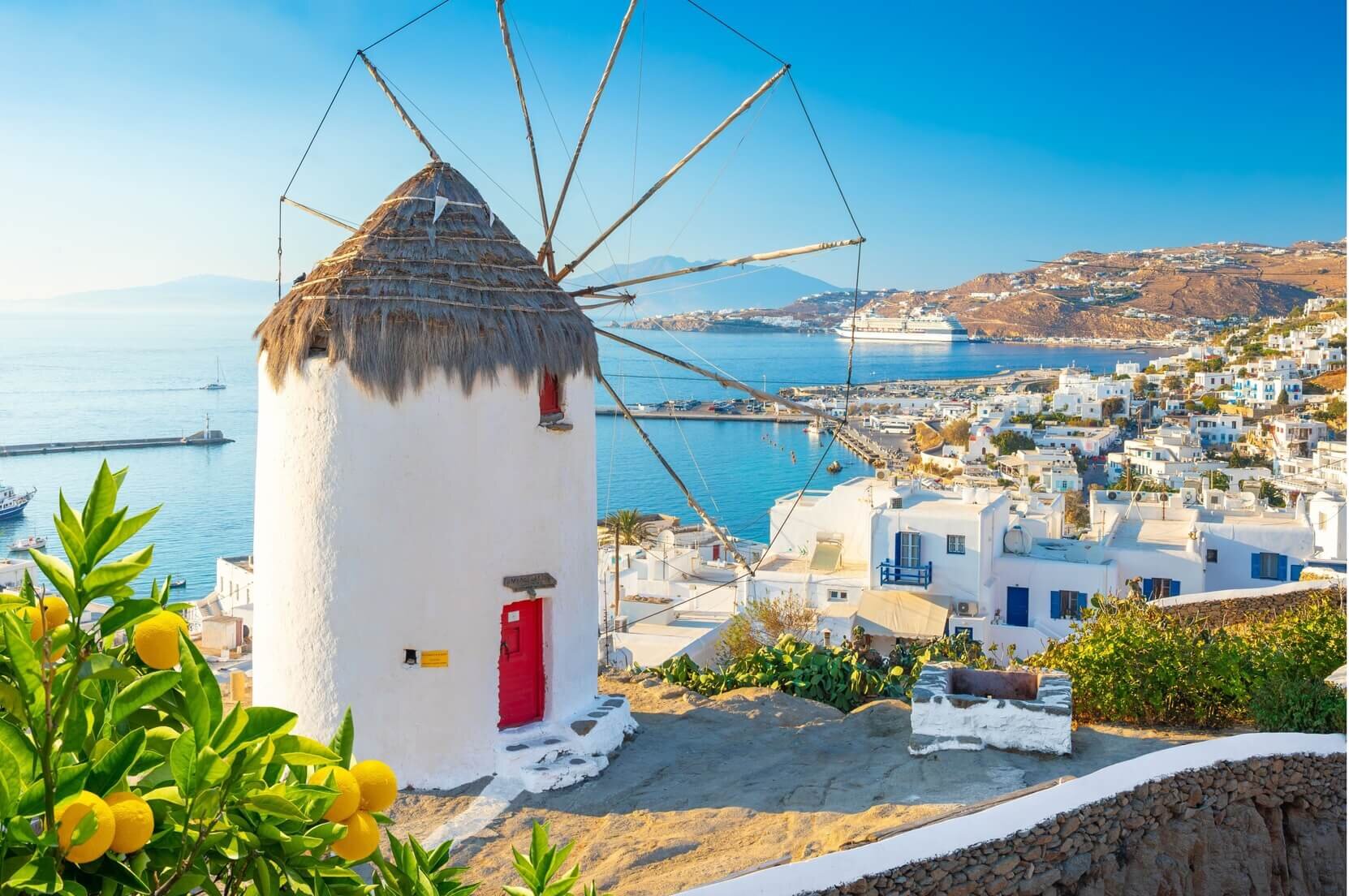
Walk among ancient ruins and marble statues that whisper stories of gods and heroes. Then, return to Mykonos, where iconic windmills and the vibrant waterfront of Little Venice welcome you back. Sip a final sunset cocktail as you reflect on a week of pure Aegean magic.
—
This 7-day Mykonos-to-Cyclades itinerary is more than a sailing route — it’s a journey through the heart of Greek island elegance. From Serifos’s wild beauty to Santorini’s romantic skyline, each stop celebrates the spirit of the Aegean.
Book your Cyclades luxury catamaran charter today, and let your adventure unfold across Greece’s most iconic islands.
7 Days along the Amalfi CoastSail through one of the most breathtaking coastlines in the world — the Amalfi Coast. From the timeless beauty of Amalfi and Positano to the legendary islands of Capri, Procida, and Ischia, every stop reveals a masterpiece of nature, history, and Italian elegance.
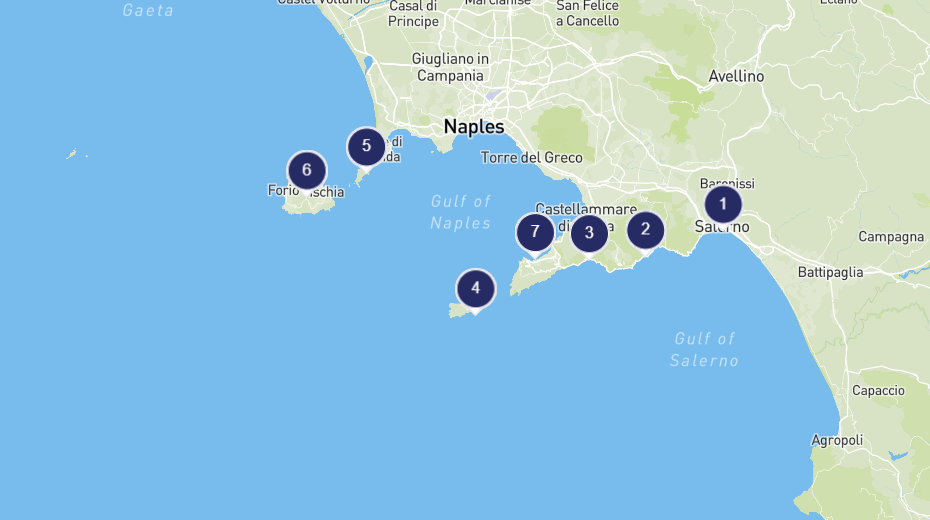
A 7-day catamaran charter along the Amalfi Coast is an invitation to experience La Dolce Vita at Sea.
Your journey begins in Salerno, where the sea sparkles beneath medieval towers. Sail west to the jewel of the coast, Amalfi, nestled beneath dramatic cliffs.
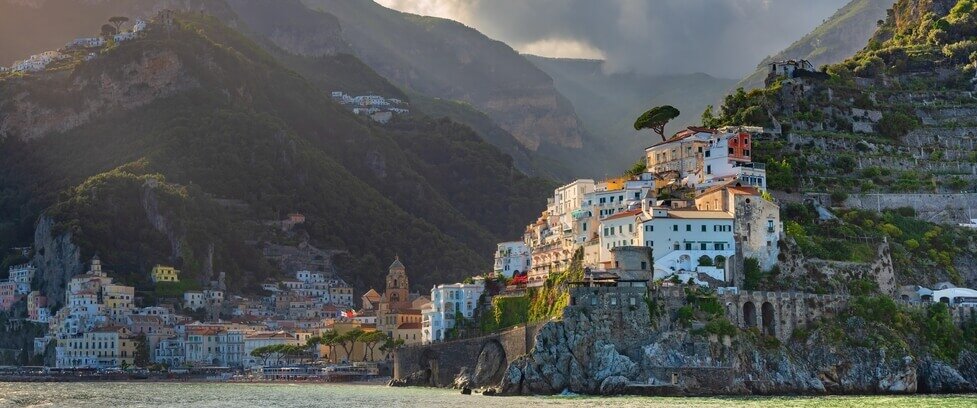
Wander through narrow alleys, visit the Cathedral of Sant’Andrea with its Byzantine façade, and explore the Arsenale Museum, once a medieval shipyard. As evening falls, dine by the marina, surrounded by warm lights and the sound of the waves.
Sail to Positano, the world-famous cliffside village that embodies Italian glamour.
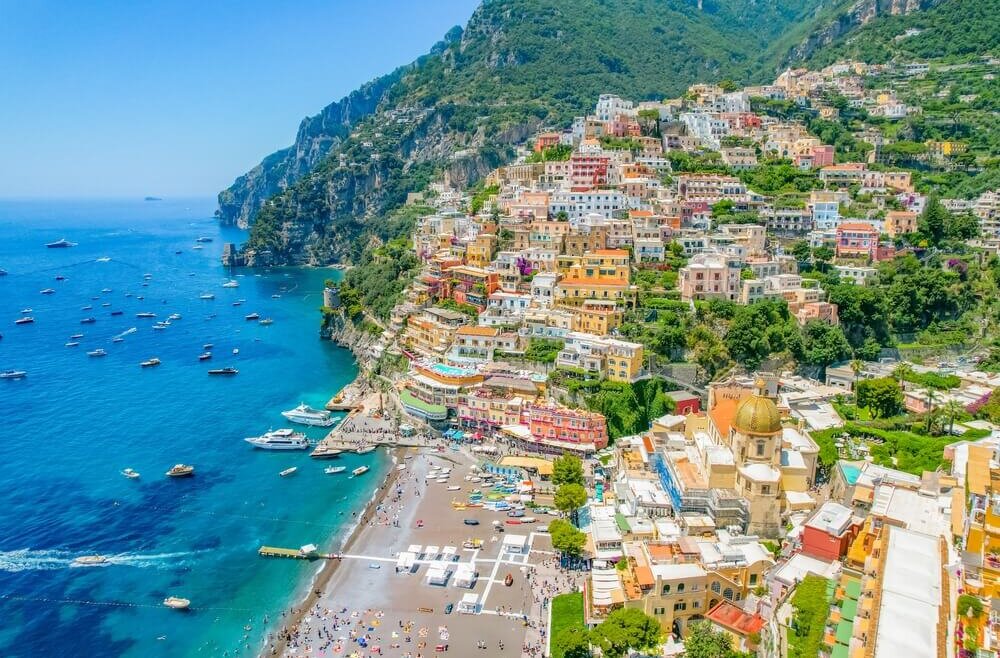
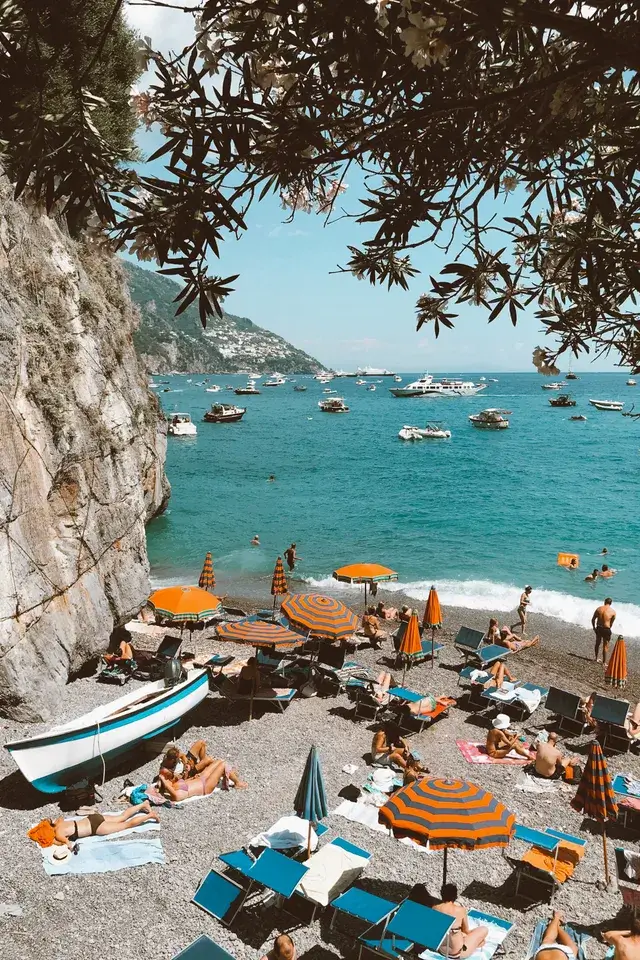
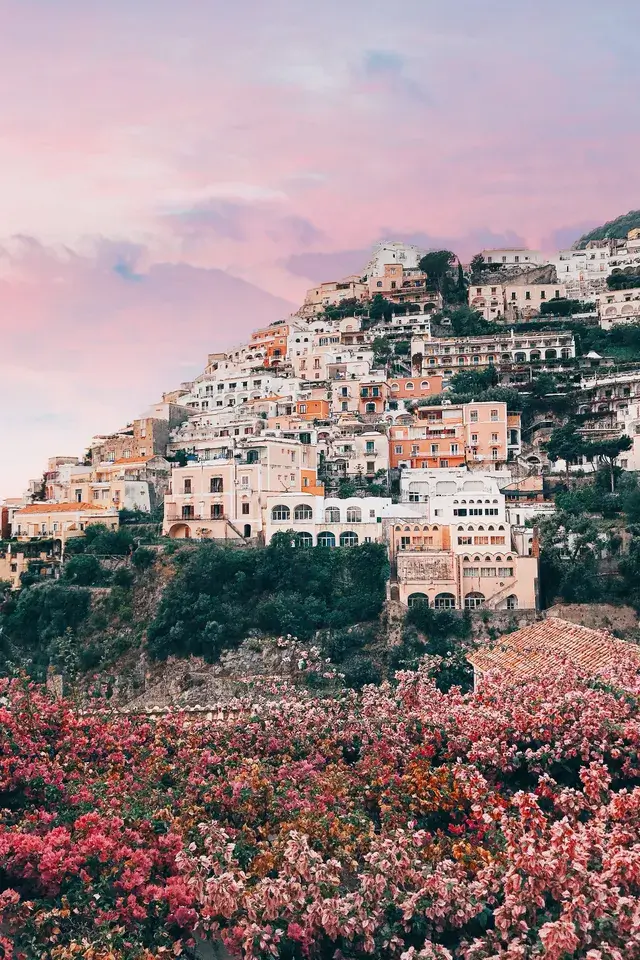
Admire the cascading pastel houses, explore the boutiques and galleries, and stroll along Spiaggia Grande or Fornillo Beach. Take the scenic Amalfi Drive, one of the most beautiful coastal roads in Europe, offering panoramic views that will leave you breathless.
Continue to the legendary island of Capri, a destination of eternal allure.
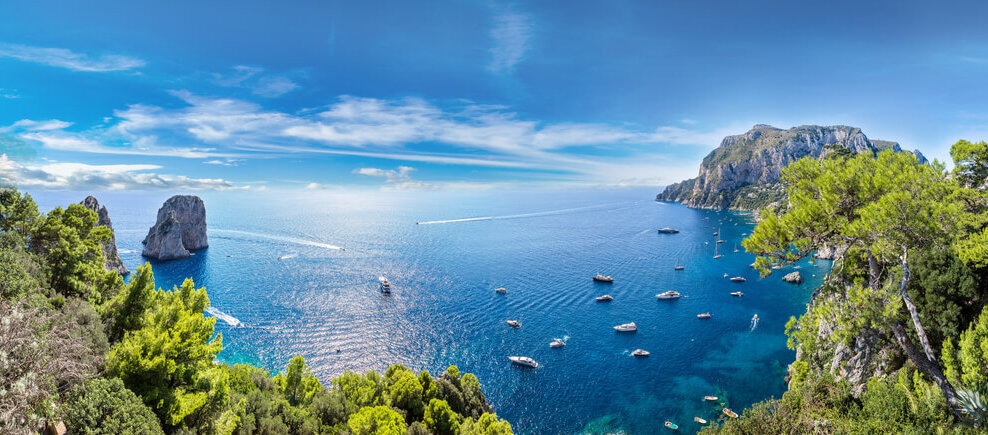
Cruise along Capri’s limestone coastline, stop at the Blue Grotto to see its striking blue light, and spend time in Capri Town browsing shops and elegant cafés. Toward evening, anchor near Marina Piccola and have dinner on board, with views of the Faraglioni rocks as the sun sets.
Sail north to Procida , Italy’s colorful hidden treasure and former Italian Capital of Culture.
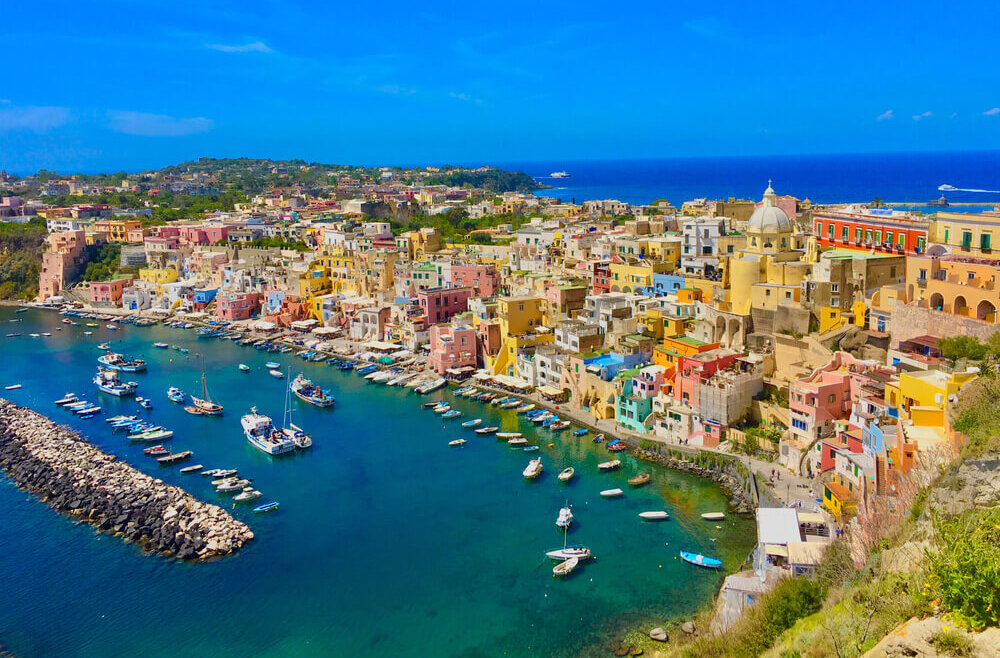
With its pastel-painted fishing port, Marina Corricella, and tranquil atmosphere, Procida captures authentic Italian island life. Swim at Lingua Beach, visit the historic Palazzo D’Avalos, and savor fresh seafood in a seaside trattoria as boats sway gently in the harbor.
Sail to Ischia, the “Green Island” famed for its lush landscapes and thermal springs.
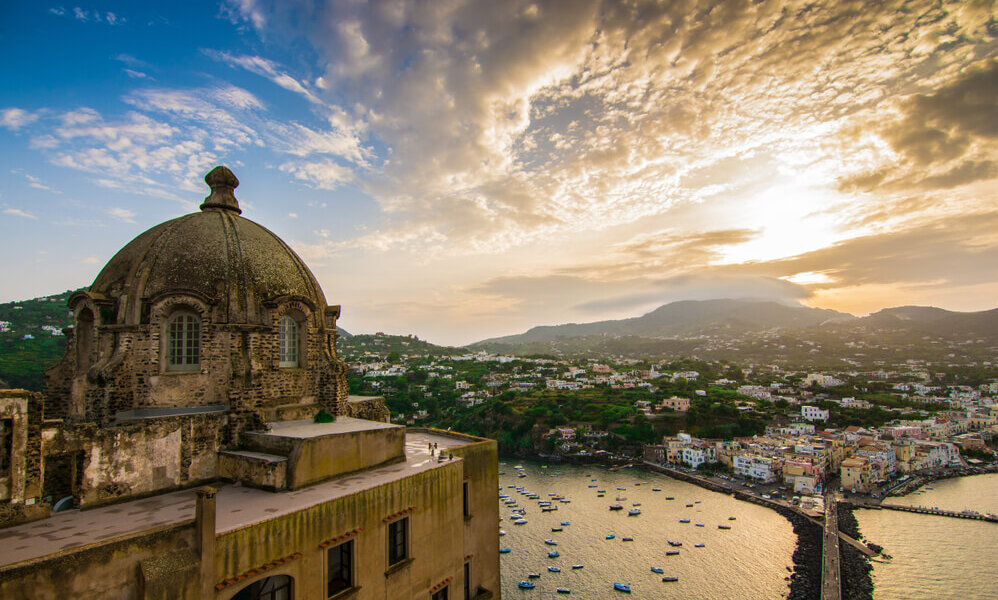
Relax at Maronti Beach, where hot springs bubble up from the sand, or visit the Aragonese Castle, a fortress rising from the sea and linked to the island by a stone bridge. End the day with a sunset aperitivo overlooking the Gulf of Naples — the perfect blend of history and indulgence.
Sail along the coast to Sorrento, a cliff-top town overlooking the Bay of Naples.
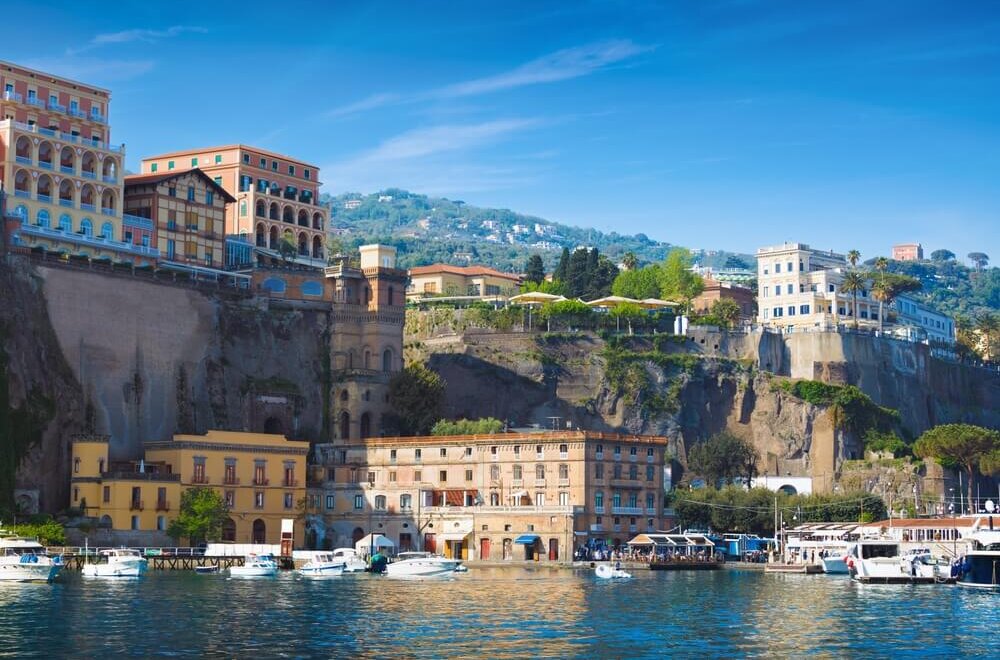
Stroll through the historic center, full of artisan shops and lemon-scented lanes, and visit the Church of San Francesco, a peaceful 14th-century sanctuary. Enjoy a relaxed evening in Piazza Tasso, savoring local pasta and Limoncello as mandolins play in the distance.
Your final sail brings you back to Salerno, where your Amalfi adventure began.
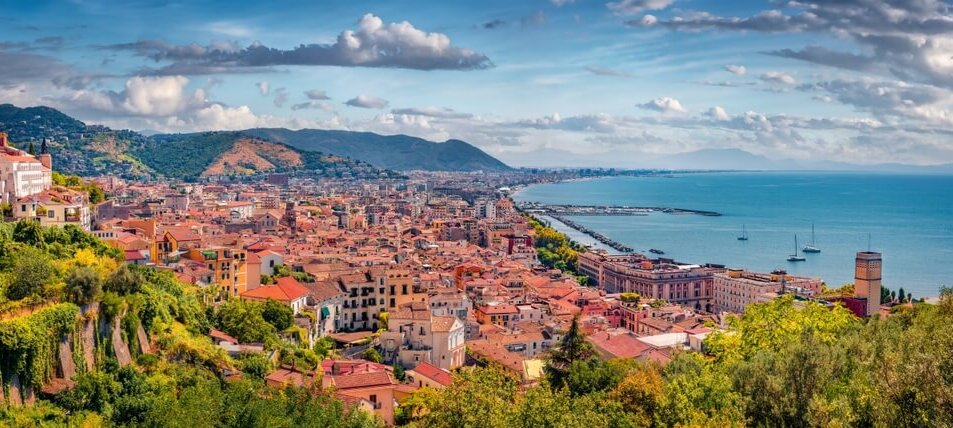
Climb to Castello di Arechi for panoramic views of the coastline, visit the Medieval Museum, or enjoy one last Italian espresso by the harbor before saying arrivederci. Reflect on a week filled with beauty, elegance, and the unforgettable charm of southern Italy.
—
Book your Amalfi Coast luxury catamaran charter today and sail through the beauty, romance, and style that only Italy can offer.
7 Days in SardiniaSail away into a world of turquoise waters, wild landscapes, and Italian charm. The northeast coast of Sardinia — with its hidden coves, pink-sand beaches, and emerald bays — is one of the Mediterranean’s most breathtaking sailing destinations.
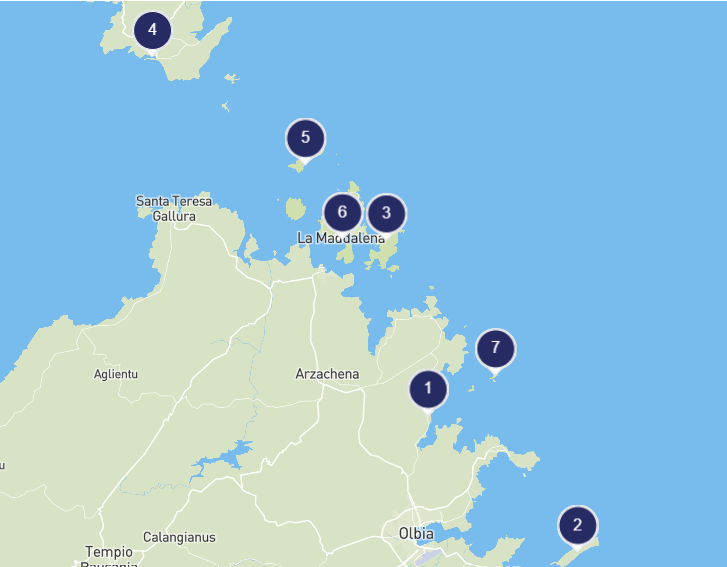
From the natural wonders of Tavolara and Caprera, to the cinematic cliffs of Bonifacio, and the untouched serenity of Budelli, this 7-day itinerary offers the ultimate blend of freedom, beauty, and luxury.
Depart from Portisco and set course for the majestic Tavolara Island, part of the protected marine area of Tavolara Punta Coda Cavallo.
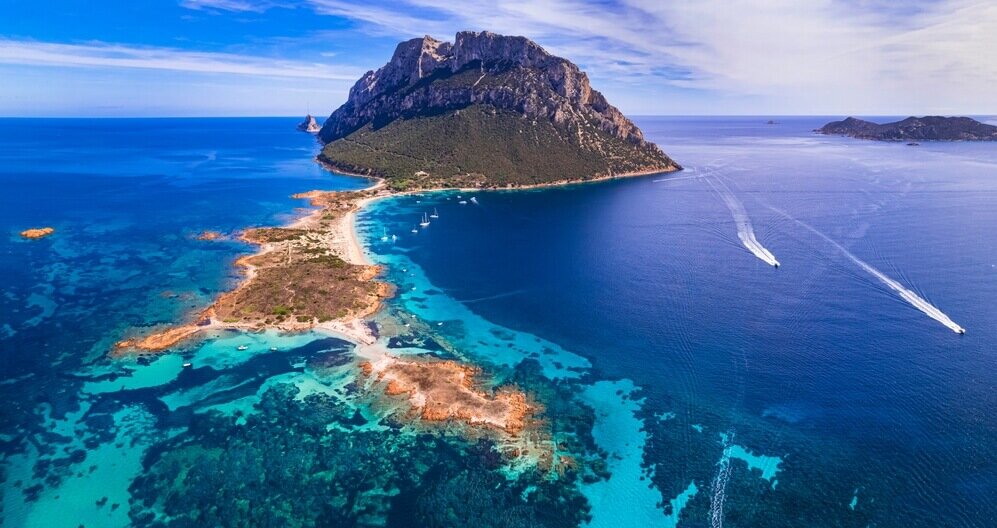
Dive into crystal waters teeming with marine life and relax on pristine beaches framed by rugged cliffs. It’s the perfect start to your Sardinian sailing adventure — wild nature, vibrant colors, and total tranquility.
Sail north to Caprera, an island of unspoiled beauty and historical charm, linked to the mainland by a narrow bridge.
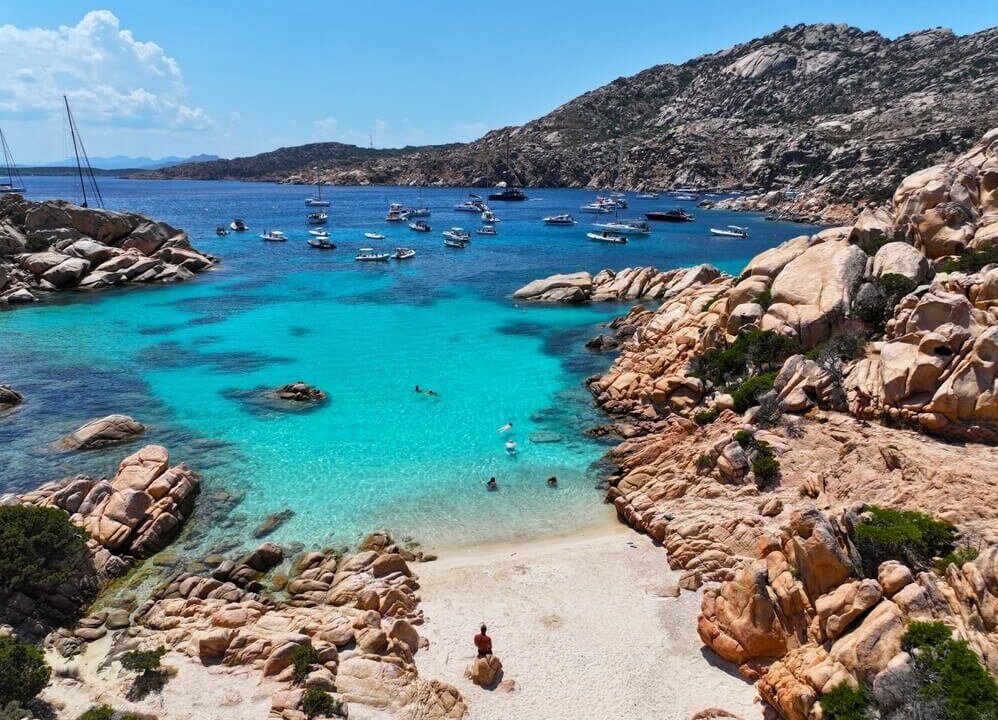
Visit the house of Giuseppe Garibaldi, now a museum, and stroll through the quaint fishing village for a glimpse of local life. Caprera’s beaches shimmer in emerald tones — perfect for swimming, snorkeling, and afternoon sunbathing in total peace.
Cross the sapphire waters to Bonifacio, perched dramatically on the white cliffs of southern Corsica.
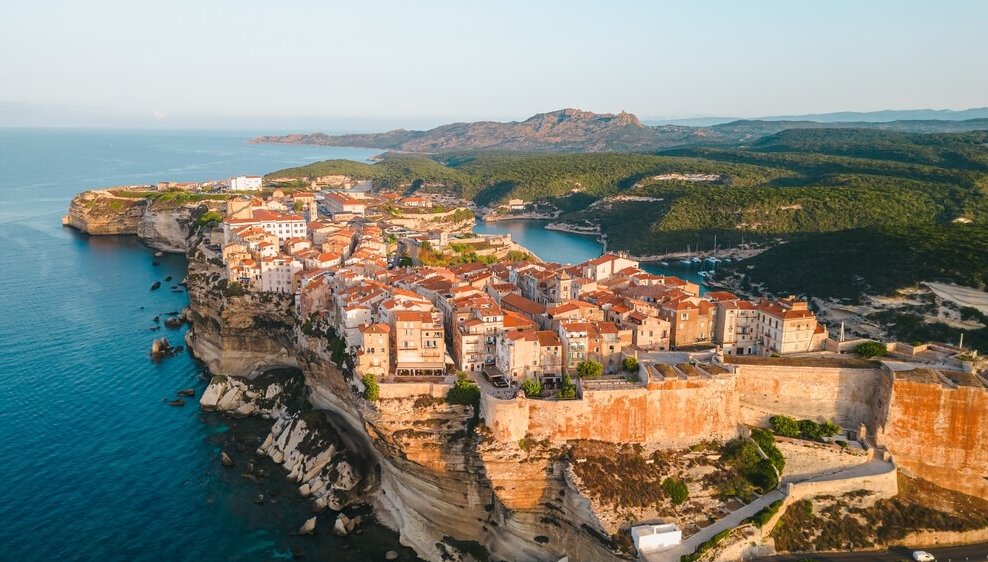
Explore its medieval citadel, stroll along the King of Aragon’s Stairway, and hike to Petit Sperone Beach, one of the Mediterranean’s most stunning stretches of sand. Bonifacio is pure drama — a fusion of natural wonder and French-Italian flair.
Sail into paradise at Budelli, part of La Maddalena National Park
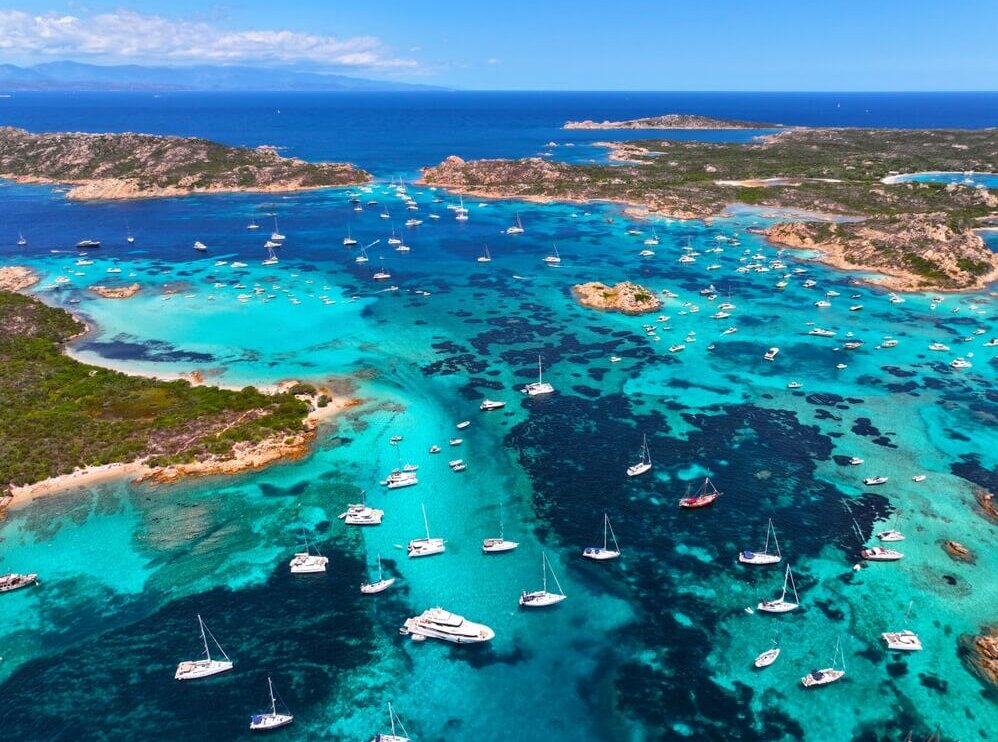
This small, uninhabited island is world-famous for its Pink Beach (Spiaggia Rosa), where crushed coral gives the sand a soft blush hue. Swim in turquoise lagoons, sunbathe on white sand, and feel completely disconnected from the world — nature at its purest.
Continue your journey to La Maddalena, the vibrant heart of the national park and a favorite among sailors.
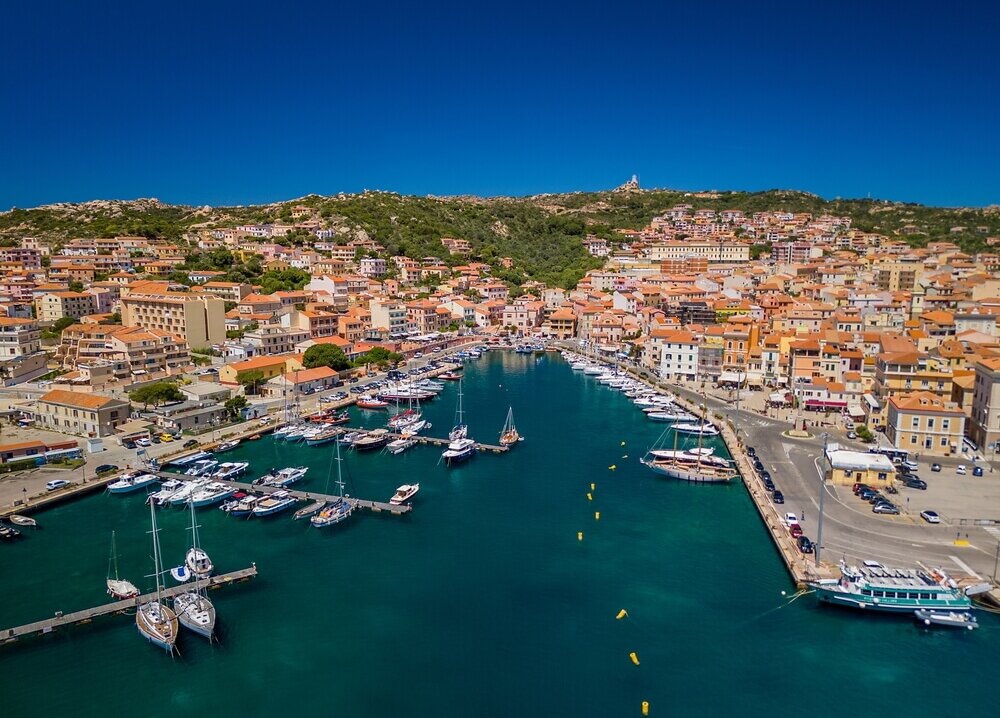
Discover Cala Spalmatore, Cala Francese, and Punta Tegge — postcard-perfect beaches where sea and sky merge into one. Visit the Nino Lamboglia Museum to learn about the island’s Roman maritime history, or simply enjoy a lazy afternoon soaking in the sun.
A short sail brings you to Mortorio, an uninhabited jewel near Porto Cervo.
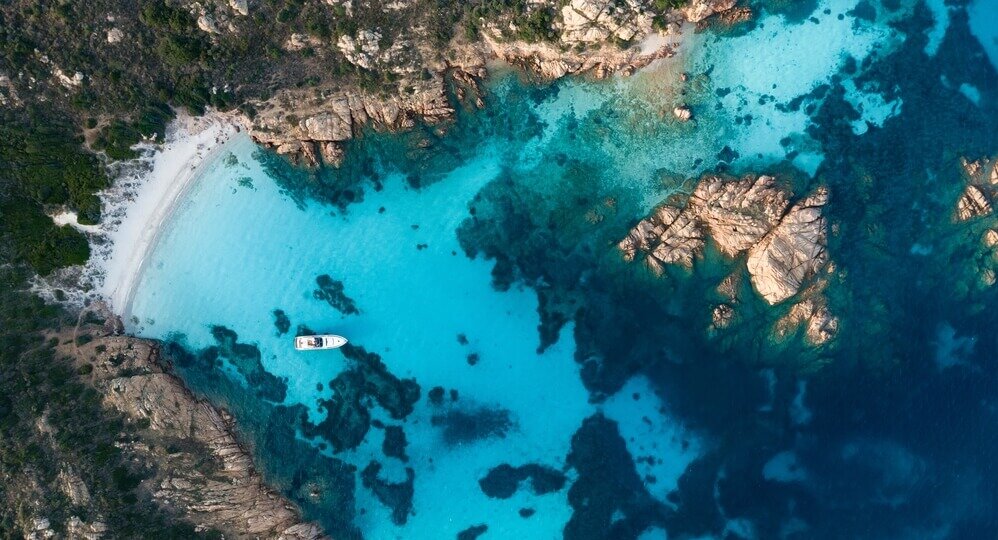
Its wild beauty, granite cliffs, and sparkling waters make it a hidden sanctuary for nature lovers. Swim at Cala di Ponente, explore secluded coves, and enjoy a private picnic on deck surrounded by endless blue.
Your final sail returns you to Portisco, but not before a stop at Spiaggia di Rena Bianca, a pristine beach perfect for a last swim in Sardinia’s iconic turquoise waters.
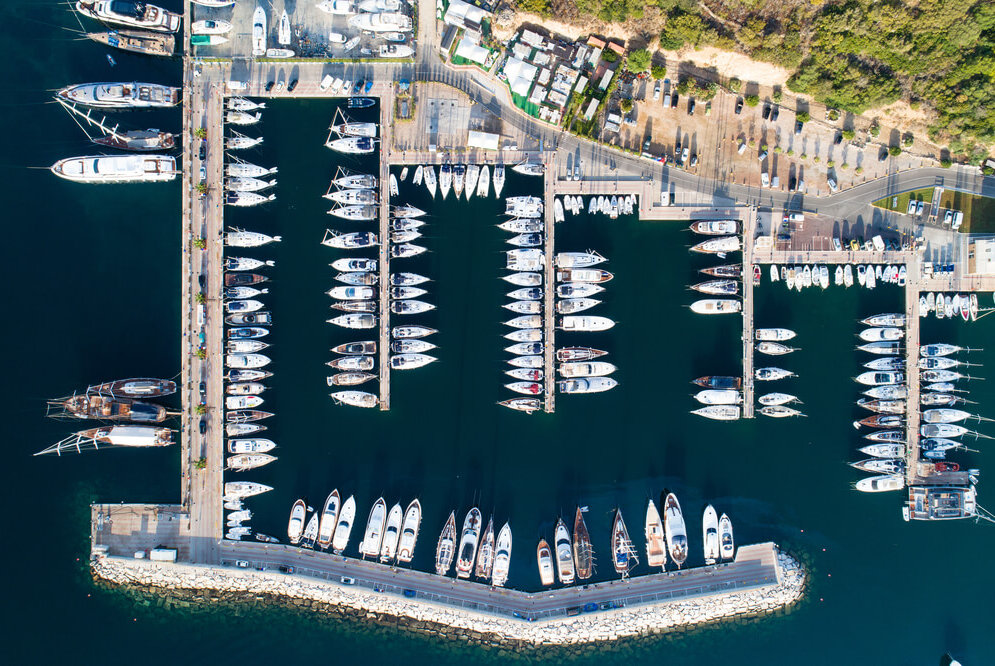
Spend the afternoon relaxing at a seaside restaurant and toasting to a week of unforgettable sailing — a journey filled with discovery, serenity, and endless beauty.
—
A 7-day catamaran charter through Sardinia and Corsica is an invitation to explore the most dazzling waters of the Mediterranean. From Tavolara’s protected marine paradise to Bonifacio’s limestone cliffs and Budelli’s pink sands, every day brings a new masterpiece of nature. Book your Sardinia luxury catamaran charter today and experience Italy’s most captivating coastline in absolute style.
7 Days in the Cyclades from AthensSet sail from Lavrio, your gateway to the Cyclades — a paradise of dazzling blue waters, whitewashed villages, and golden sunsets. From the tranquil coves of Kythnos and the culinary delights of Sifnos, to the volcanic wonder of Milos and the mythic cliffs of Sounio, each destination reveals a different shade of the Aegean dream.

Your voyage begins as you leave the port of Lavrio and sail towards Kythnos, one of the Cyclades’ most serene gems.
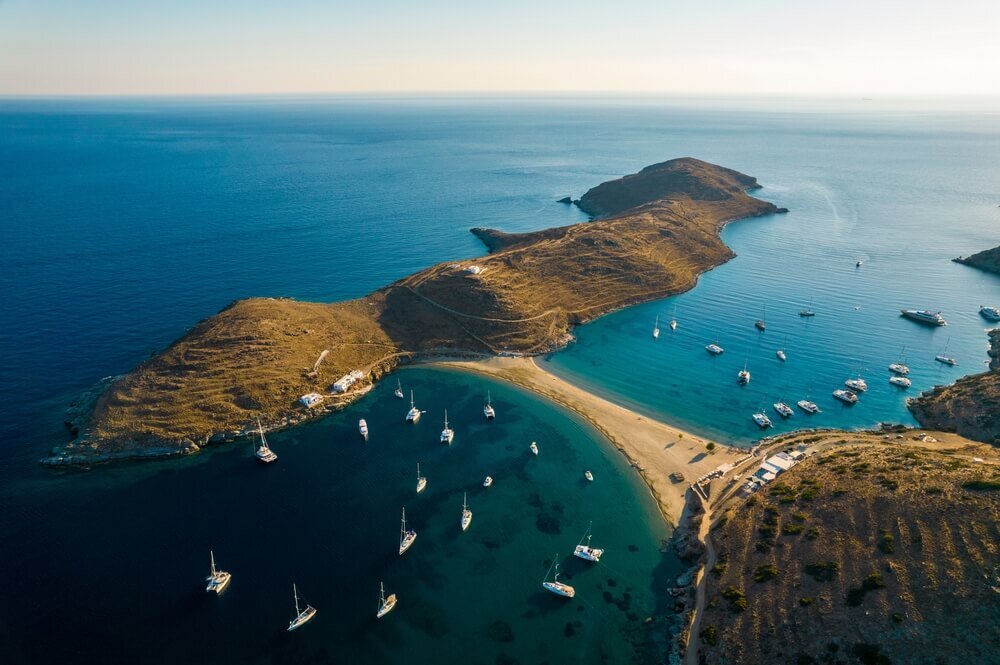
Known for its unspoiled beauty and authentic charm, Kythnos boasts more than 70 beaches — many only reachable by boat. Discover the famous Kolona Beach, a stunning sandbar connecting two pieces of land, or unwind in the Loutra hot springs, where thermal waters flow directly into the sea.
Sail deeper into the Cyclades to the refined beauty of Sifnos, an island that perfectly balances elegance, tradition, and gastronomy.

Drop anchor in Platis Gialos or Vathy Bay, swim in crystal waters, and wander through the whitewashed streets of Apollonia. End your day watching the sunset from Kastro, one of the most photogenic villages in the Aegean. Don’t miss Sifnos’s famous flavors — try revithada (chickpea stew) and mastelo (slow-cooked lamb with wine and cheese).
A true highlight of your journey, Milos is the island of colors and contrasts — sculpted by volcanoes and kissed by turquoise seas.
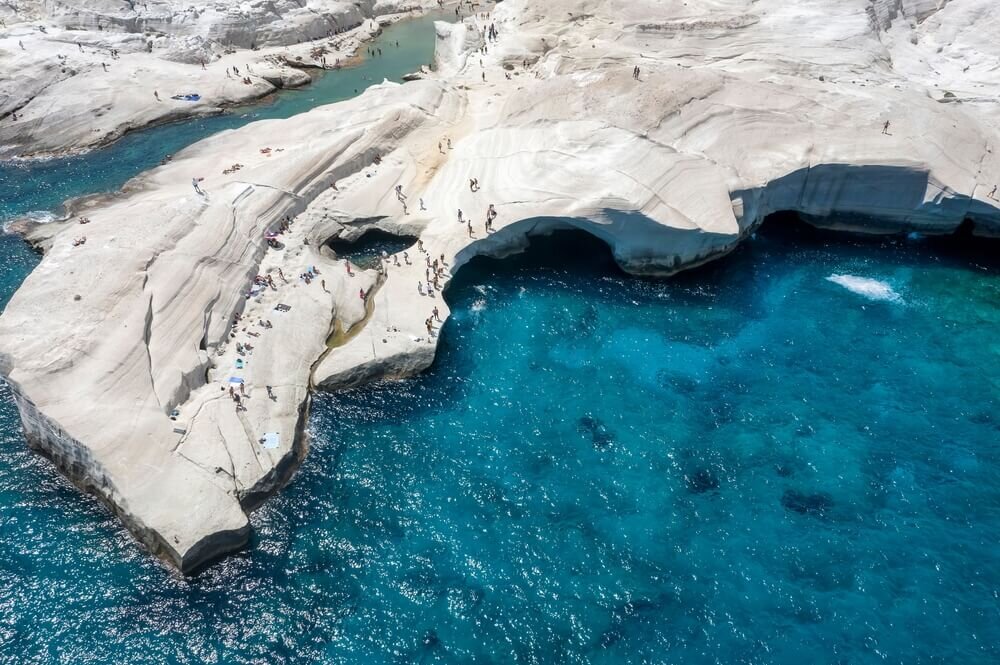
Anchor near Sarakiniko Beach, famous for its white lunar rocks, or explore Kleftiko, where sea caves and secret coves invite snorkeling and exploration. In the evening, stroll along the harbor of Adamas, dine under the stars, and feel the island’s magnetic energy.
Continue to Serifos, a rugged beauty that remains blissfully authentic. Its wild coastline and hilltop Chora create a postcard-perfect setting.
Anchor in Livadi Bay, where you can swim in calm waters or visit hidden beaches like Psili Ammos and Vagia. As the sun sets over the Aegean, enjoy a meal in a seaside taverna — the simple luxury of Greek island life at its best.
Sail north to Kea (Tzia), where lush hills meet tranquil bays.
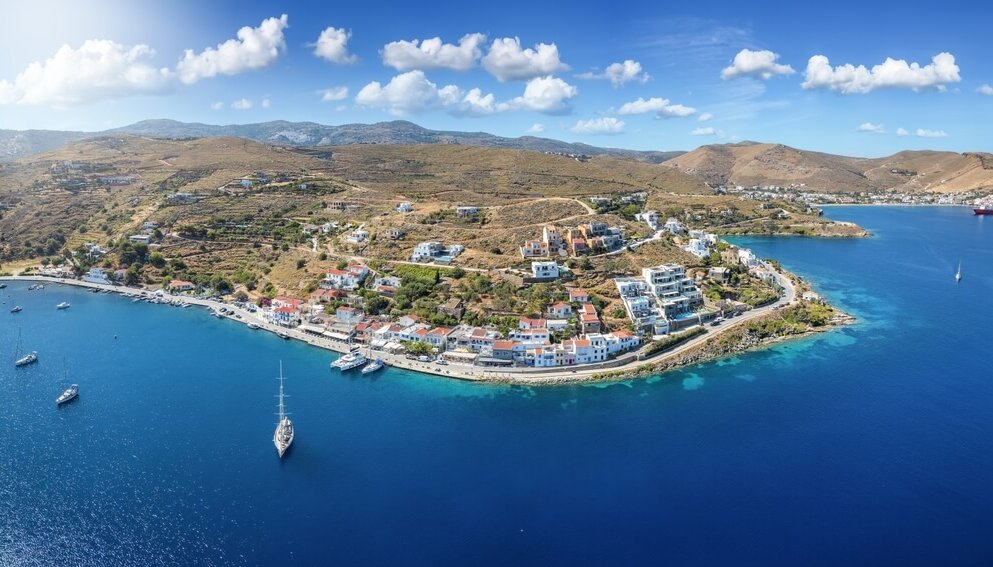
As you enter Vourkari Bay, the scent of pine trees and sea breeze welcomes you. Kea is perfect for a peaceful anchorage, surrounded by nature and elegant simplicity. Explore ancient ruins, hike to panoramic viewpoints, or enjoy a sunset dinner at a cozy seaside taverna.
Your sailing route brings you to the majestic Cape Sounio, where the Temple of Poseidon stands proudly above the cliffs.
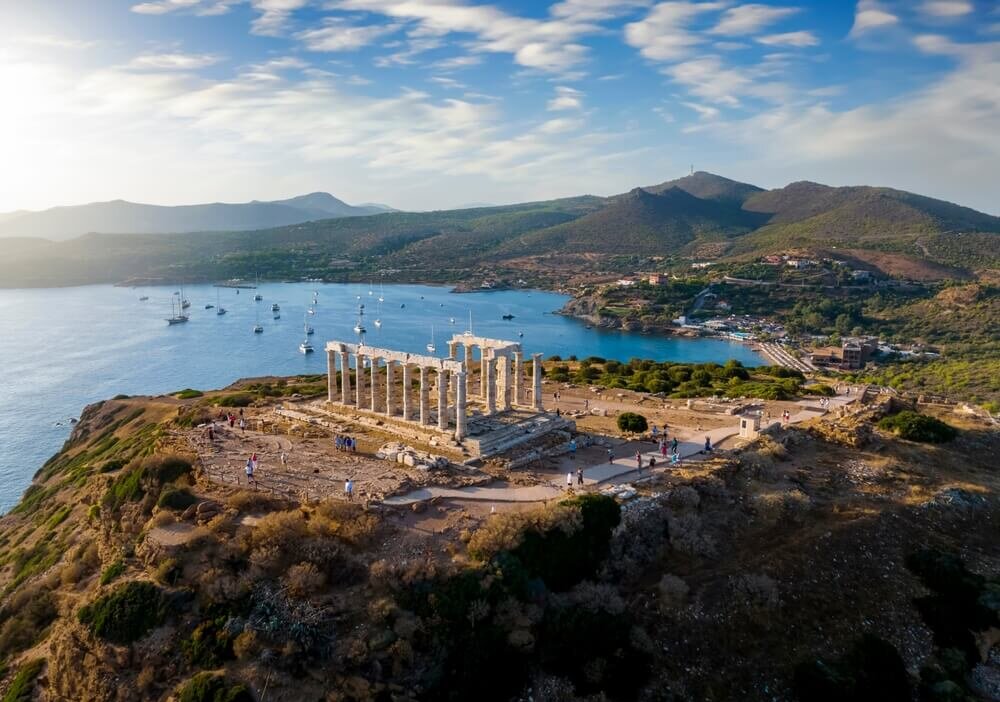
Approaching the Temple of Poseidon at Cape Sounio by yacht is an experience that feels straight out of a myth. Arriving by yacht offers a rare sense of freedom and elegance: the scent of salt in the air, the sound of waves against the hull, and the temple standing watch above it all. Time your visit for sunset, when the sky ignites in shades of gold and crimson, and Poseidon’s sanctuary feels truly alive.
Final stop back to the Marina of Lavrion.
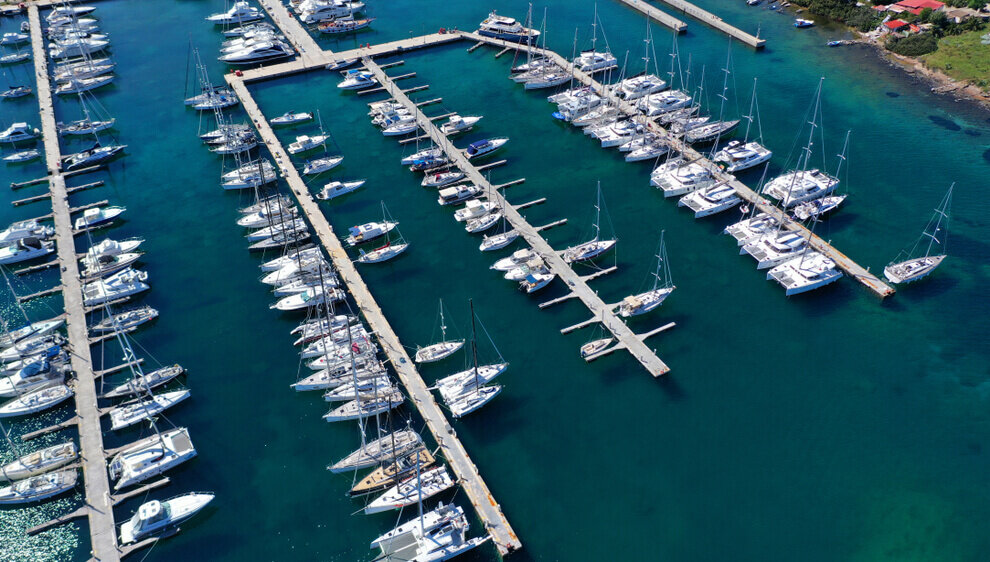
Wander its streets, visit the ancient silver mines, or enjoy a farewell lunch at a waterfront taverna. Reflect on a week of endless blue horizons, hidden coves, and unforgettable Greek moments — the essence of the Cyclades captured in every wave.
—
A 7-day Cyclades sailing itinerary from Lavrio offers the perfect blend of adventure, serenity, and indulgence. From Kythnos’s hot springs to Milos’s moonlit cliffs and the mythical sunsets of Sounio, every stop reveals a new chapter of Greece’s eternal story.
7 Days in the Split RegionSet sail from Trogir or Split, two of Croatia’s most captivating coastal towns, and embark on a week-long voyage through the heart of the Dalmatian Islands.
Discover the raw beauty of Brač, the glamour of Hvar, the medieval grace of Korčula, and the wild serenity of Mljet and Lastovo.
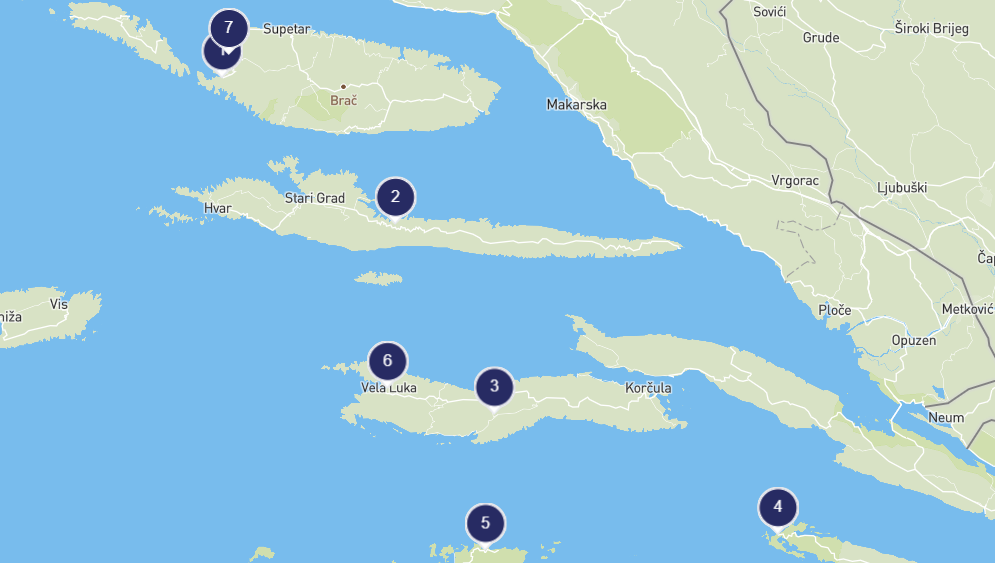
Begin your sailing adventure in Milna, a charming fishing village on the west coast of Brač.
Wander through its Baroque alleys, admire the traditional Dalmatian bell tower, and taste the Mediterranean flavors of fresh seafood, olive oil, and local wine. This peaceful harbor, surrounded by pine forests and calm bays, is the ideal first anchorage for your voyage.
Sail to glamorous Hvar, the sunniest island in the Adriatic and a blend of Venetian charm and natural beauty.
Walk along the marble streets of St. Mark’s Cathedral , visit local artisan shops, and swim in the crystal-clear waters of nearby Šćedro Island. Korčula offers a perfect blend of history, art, and authentic Dalmatian lifestyle — a feast for the senses.
Cruise south to Korčula , a fairytale medieval town often called “Little Dubrovnik.”
Evening brings tranquility — dine in a quiet taverna overlooking the bay, where reflections of the moon ripple on calm waters. Legend says it is the birthplace of Marco Polo, and its stone streets, historic palaces, and charming squares tell stories shaped by centuries of Venetian influence.
Arrive at Pomena, a small harbor village on the lush island of Mljet.
Here, the Mljet National Park invites you to explore its twin saltwater lakes — Veliko and Malo Jezero — and the tranquil monastery on the islet of St. Mary. Cycle or kayak through untouched nature, then enjoy dinner by the sea as cicadas sing and the stars begin to glow.
Continue to Zaklopatica, a secluded bay on the northern shore of Lastovo , one of Croatia’s most remote and pristine islands.
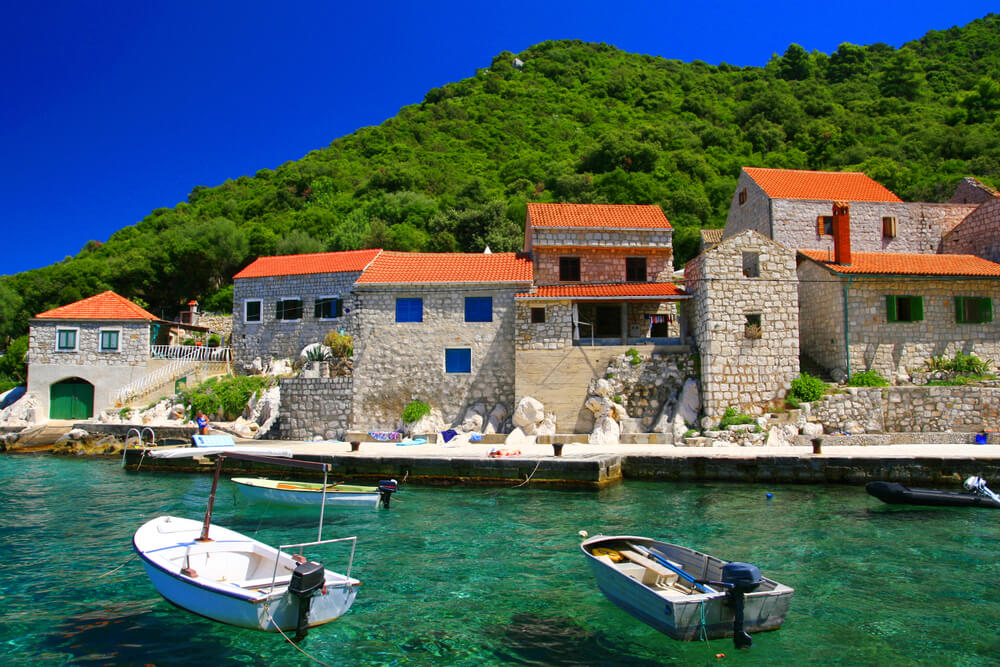
Surrounded by pine forests and protected by a small islet, Zaklopatica is ideal for snorkeling, swimming, and dining at seaside tavernas serving local lobster and fish. This peaceful haven is perfect for an overnight stay under a blanket of stars.
Head back toward Korčula to visit Vela Luka, a town rich in culture and surrounded by lush Mediterranean landscapes.
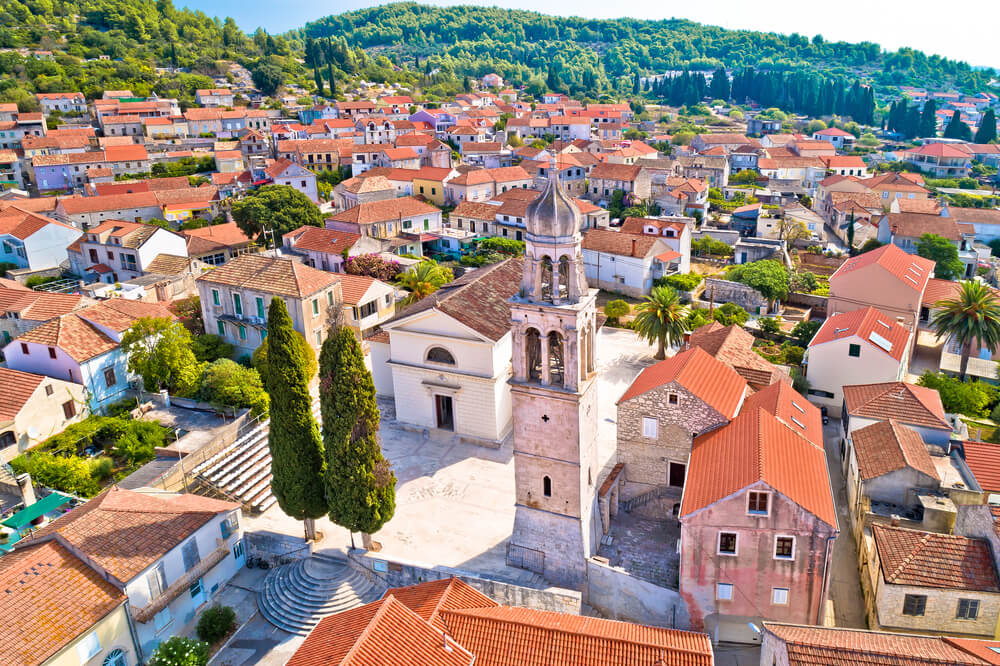
Visit Vela Spila, a prehistoric cave offering fascinating archaeological finds, or enjoy a guided tour through the town’s artistic and historical landmarks. Spend the afternoon swimming in nearby coves or exploring local boutiques and markets.
On your final day, stop at Bobovišće, a tranquil bay perfect for a morning swim or paddle before returning to Trogir.
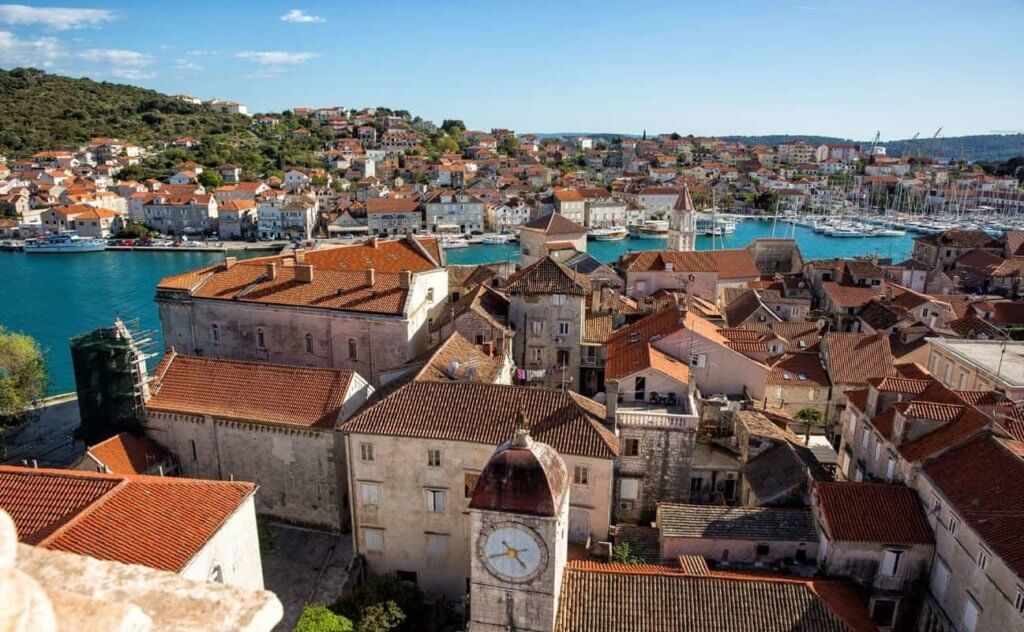
This charming stop is ideal for relaxing and reflecting on a week filled with adventure, culture, and the gentle rhythm of the Adriatic.
.–
A 7-day catamaran charter through Croatia’s Split Region is an unforgettable blend of luxury and authenticity. From Hvar’s glamour to Mljet’s mystic lakes and Korčula’s Venetian grace, every moment captures the essence of the Adriatic dream.
7 Days in the Ionian Islands from Lefkas
Set sail from Lefkas, the gateway to the Ionian Sea, and embark on an unforgettable week through Greece’s emerald isles. From the peaceful coves of Meganisi and the mythic beauty of Ithaki, to the vibrant shores of Zakynthos and the elegant charm of Cephalonia, this 7-day voyage blends luxury, adventure, and serenity into a seamless sailing experience.

Your Ionian journey begins with a tranquil sail to Meganisi, a hidden paradise known for its quiet beaches and authentic charm.
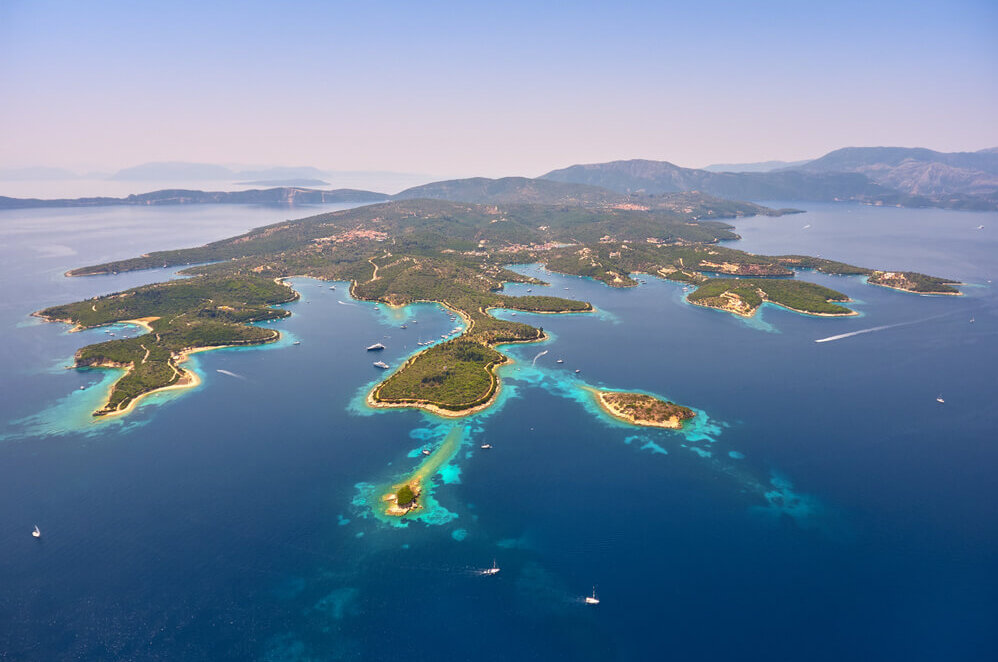
Swim in crystal-clear waters at Agios Ioannis or Spilia Beach, and enjoy the breathtaking views from Spartohori, perched high above the sea. End the day in Vathy, a postcard-perfect fishing village where the scent of grilled octopus fills the air.
Sail south to the legendary island of Ithaki, home of Odysseus and a land steeped in myth.
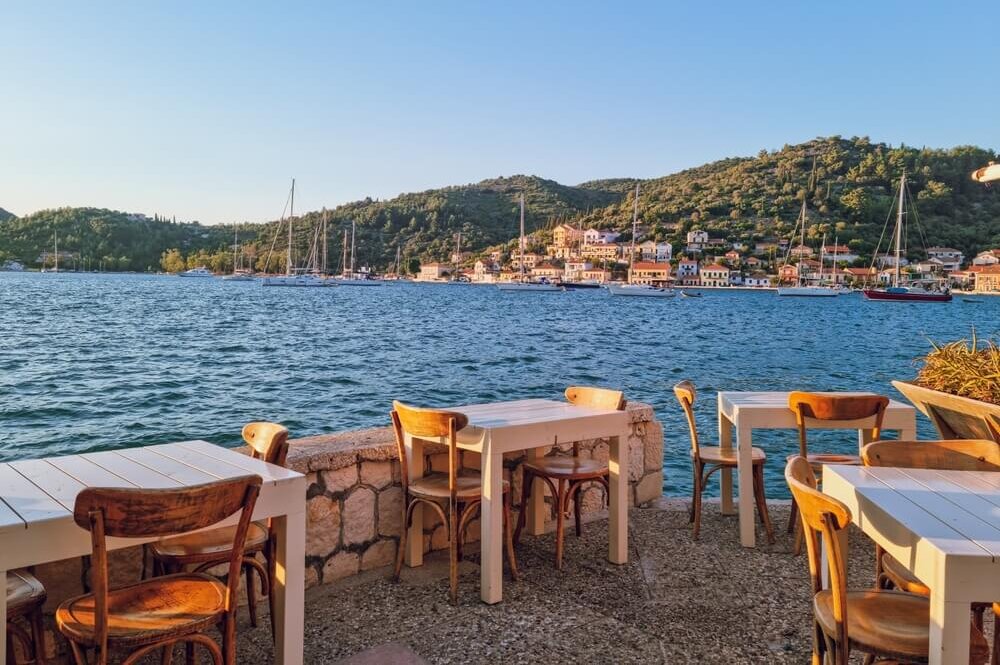
Its rugged hills, emerald bays, and ancient ruins tell stories of timeless wanderlust. Explore Vathy Town, visit the Cave of the Nymphs, or simply walk along quiet harbors where fishermen mend their nets as the sun dips low over the Ionian.
Welcome to Zakynthos, the jewel of the Ionian and home to the world-famous Navagio (Shipwreck) Beach.
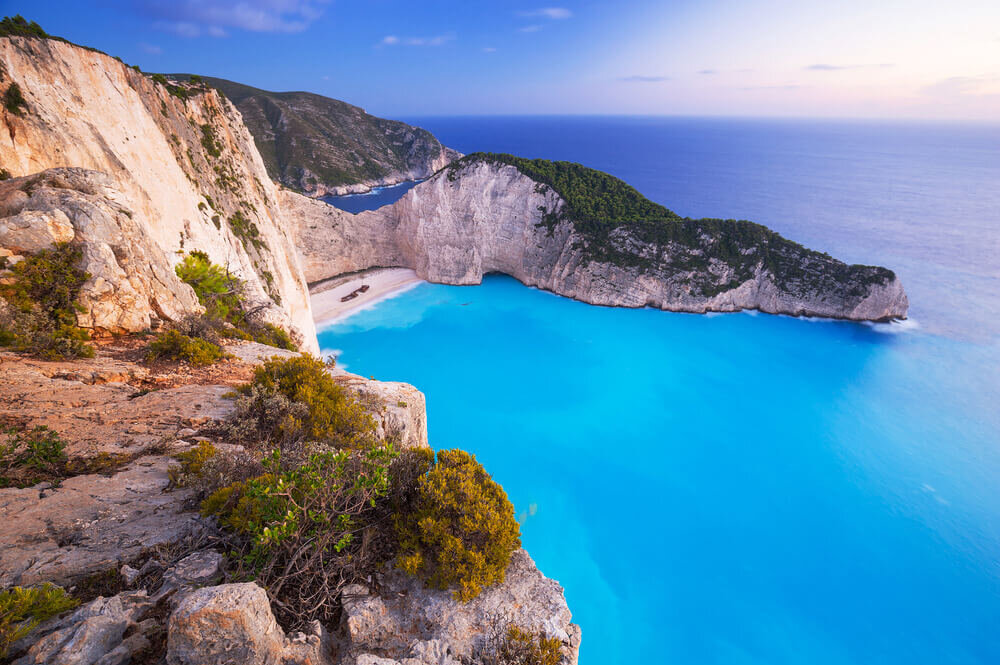
Drop anchor in a turquoise bay surrounded by towering cliffs, or swim through blue caves carved by centuries of sea and wind. By night, the island transforms — lively music, seaside dining, and a cosmopolitan spirit make Zakynthos a vibrant stop on your journey.
Sail to Cephalonia, the largest of the Ionian Islands — majestic, green, and deeply atmospheric.
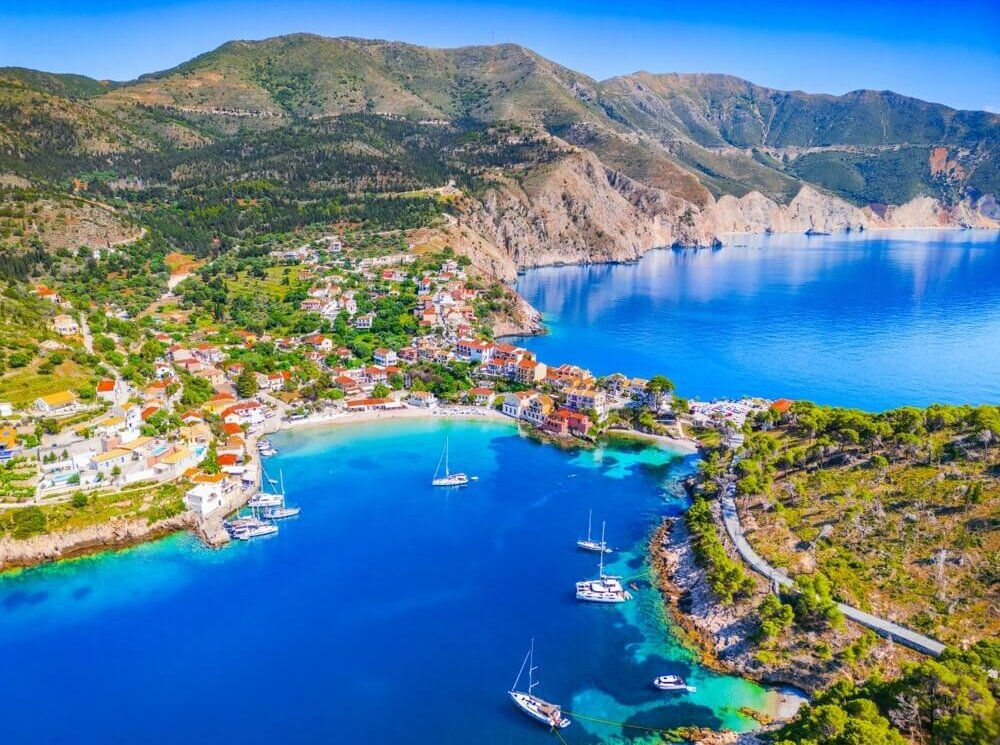
Arrive in Argostoli, a town surrounded by mountains and forests, where Venetian echoes meet island charm. Stroll along the harbor, visit the Drapano Bridge, and enjoy dinner overlooking the water at one of the island’s refined restaurants
Cruise north to Fiscardo, Cephalonia’s most picturesque village and a favorite among sailors.
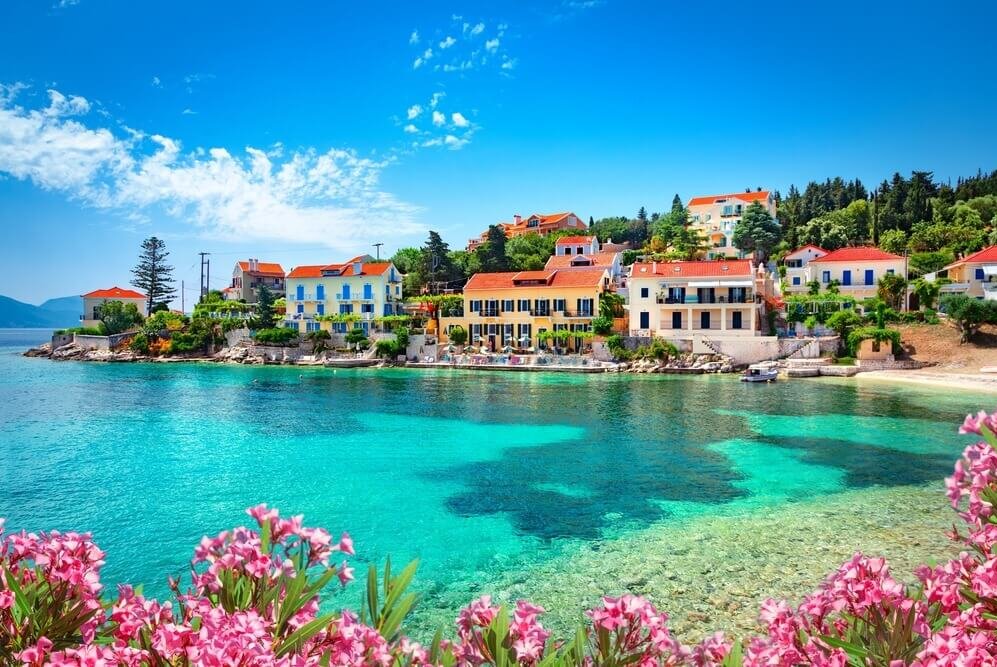
One of the few places spared by the 1953 earthquake, Fiscardo retains its Venetian charm — colorful facades, chic cafés, and elegant yachts lining the waterfront. Wander through the cobbled streets, shop at boutique stores, and enjoy dinner by the sea.
Sail back toward Lefkas, anchoring in the enchanting bay of Sivota— a natural harbor embraced by lush green hills.
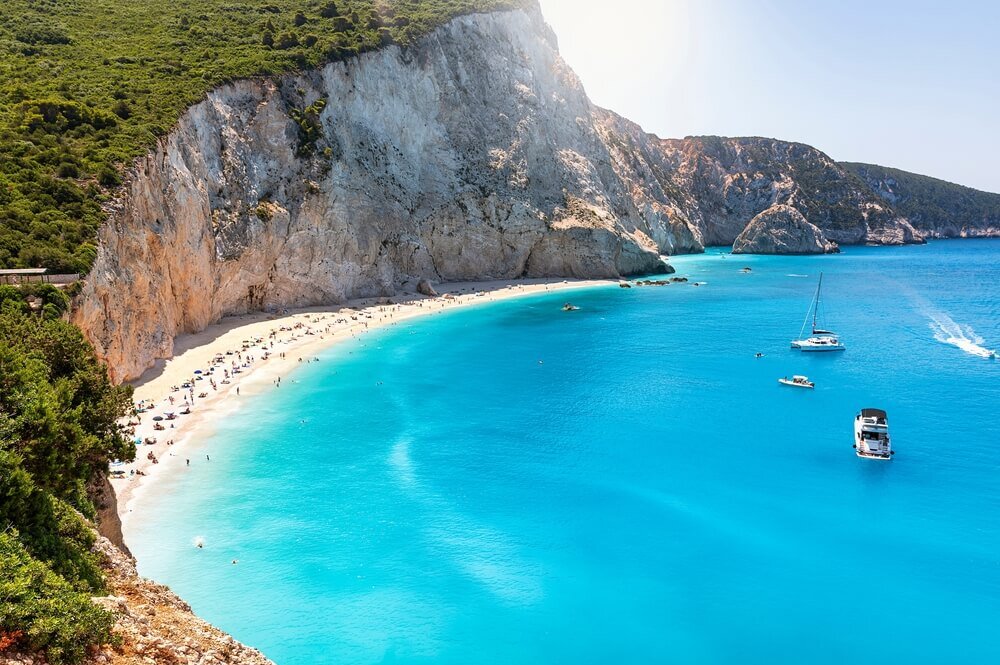
The crystal blue waters are perfect for an afternoon swim or a peaceful paddleboard session. Don’t miss to visit Porto Katsiki or Egremni Beach, As the day ends, unwind at a seaside tavern and watch the last sunlight fade behind the green hills.
Lefkada is often called “the Caribbean of Greece” for its turquoise lagoons and golden shores.
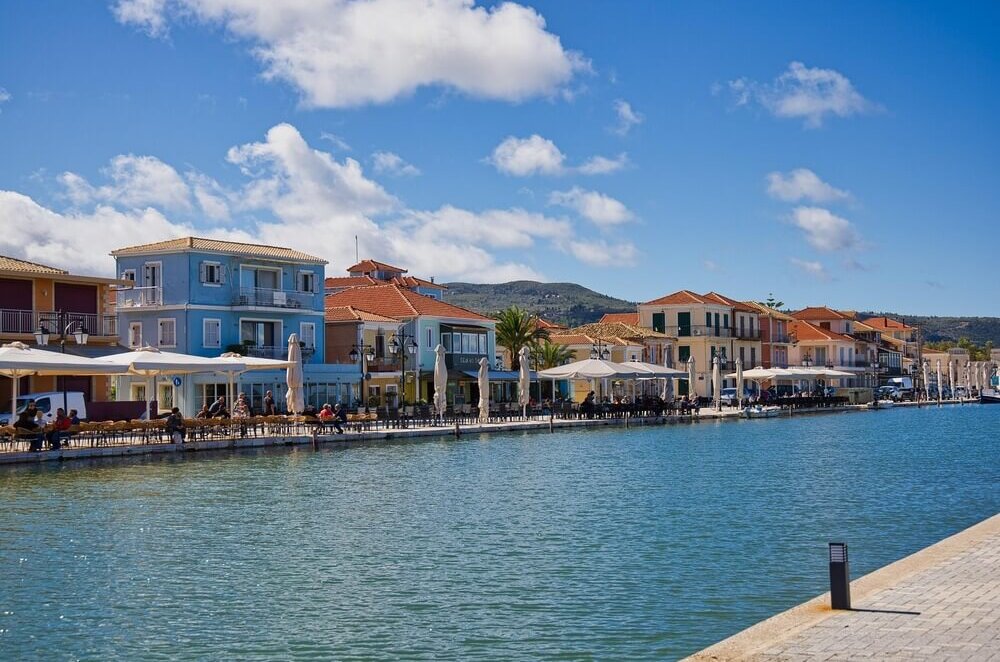
Explore Lefkada Town’s elegant marina, or simply reflect on a week of unforgettable sailing through some of the world’s most stunning waters.
—
The Spirit of the Ionian Awaits
A 7-day catamaran charter from Lefkas is the perfect blend of luxury, discovery, and relaxation. Ionian islands is the region which has the most repeated Guests, who rebook a catamaran for the next season. And it is not by chance.
Which Greek Island Should You Visit in 2024?There’s an island in Greece for everybody, from hip Hydra to timeless Rhodes—here’s your guide to the best of them.
Lord Byron was on to something when he waxed lyrical about the Greek islands. But with more than 200 inhabited to choose from, which ones are the very best Greek islands? Here regular isle-hopper Rachel Howard reveals the ones to get in a speedboat for in 2024, with recommendations on where to stay chosen by the editors of Condé Nast Traveler.
Here, we’ve also ranked the best Greek islands, from 1 to 29. While we love and highly recommend every island on this list—and advocate visiting all of them throughout your lifetime, if you can—we’ve also edited the list in order so if it’s your first time planning a visit to this magical corner of the world, or you just want to branch out from your usual summer isle trip, we can help you choose where to go next.
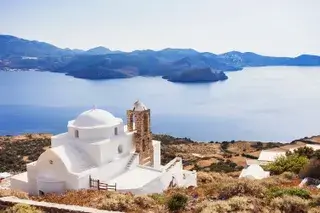
Best of the Greek islands for: A photogenic and dramatic coastline
Everyone knows the Venus de Milo (which has stood in the Louvre since the 19th century). Until recently, very few had heard of Milos, the volcanic island where Aphrodite’s graceful likeness was discovered. Those in the know jealously guard their treasured island, and especially its 70 (or more) beaches — surely the most diverse and dramatic coastline of all the Greek Islands.
Little by little, though, Milos is being discovered. Instagram is saturated with no-filter shots of the undulating white cliffs at Sarakiniko, the bottle-green swimming hole at Papafragas, and colorful, rickety syrmata, tiny boat houses wedged between rock and sea. (You’ll find the best photo opportunities at Klima and Mandrakia). This painterly landscape was shaped by the minerals that have long been a source of wealth–obsidian, alum, barite and sulphur, which still bubbles up in the island’s many hot springs. As the 11,000-year-old mining industry is gradually giving way to tourism, several chic hotels have made an appearance. Go now, before the trickle of visitors turns into a tide.
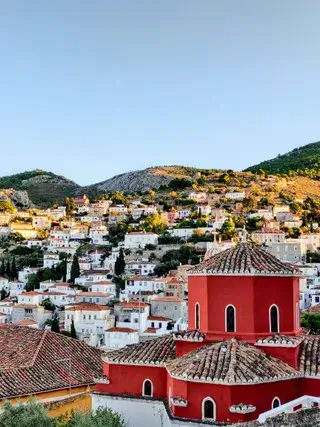
Best of the Greek islands for: A long weekend with the art crowd
You know when Dakis Joannou, Greece’s foremost art collector, is on Hydra. His yacht, Guilty, is painted in gaudy ‘camouflage’ by Jeff Koons. Every summer, Joannou invites big hitters such as Matthew Barney and David Shrigley to create site-specific installations in the Greek island’s old slaughterhouse. Even the school is commandeered for exhibitions in the summer holidays. Car-free and protected by a preservation order, Hydra has always been the artists’ muse of the Greek Islands. Leonard Cohen set the scene in the 60s; now Brice Marden, Sadie Coles and Juergen Teller have homes here. Athenian artists take up residence at the School of Fine Arts, one of the vast, grey, stone mansions overlooking the horseshoe harbour. Musicians of all stripes rehearse and record at the Old Carpet Factory, an 18th-century residence whose double-height ceilings and underground cistern have incredible acoustics.
Less than two hours from Athens, Hydra fills up with chic Greeks at weekends. They come to disconnect and slow down, but also to see and be seen. Wily cats and weary donkeys patrol the back alleys, but all the action happens along the waterfront. Oh look! There’s Olivia Palermo at The Pirate Bar and Chloë Sevigny shaking her tail feather at Hydronetta beach bar. Who cares if there are barely any beaches? You can always find a slab of sun-baked rock from which to leap rock from which to dive into the clearest water in the world. See our full guide to Hydra, Greece.
Best of the Greek islands for: Big, fat Greek feasts
Sifnos owes its foodie reputation to its most famous descendant, Nicholas Tselementes, who wrote the first Greek cookbook in 1910. Forget souvlaki and moussaka: here, chickpea croquettes and stewed capers are taverna staples. The island is peppered with potteries that produce the earthenware casseroles used for revitháda (baked chickpeas) and mastelo (lamb with red wine and dill). Traditional dishes are slow-roasted in a wood-fired oven at To Meraki tou Manoli, a local institution on sheltered Vathy bay. (While you’re there, invest in some timeless tableware from Atsonios Ceramics, in business since 1870.) In postcard-pretty Artemonas, all roads lead to Theodorou, purveyors of nougat wafers and almond sweets since 1933. You can eat in your bikini at Omega3, where locally foraged and fished ingredients are given an exotic twist: baby-calamari tempura, smoked eel in chilled melon soup with wasabi, and chickpea sorbet with wild apricot jam and pine nuts. In 2021, Omega3’s previous energetic head chef Giorgos Samoilis opened Cantina, an equally experimental restaurant in Seralia, a pretty little bay below the beautiful medieval village of Kastro. Lobsters are plucked straight from the sea at Heronissos, then served with spaghetti on the jetty. It’s just the right balance of low-key luxury and unspoiled authenticity. Rather like Sifnos itself.
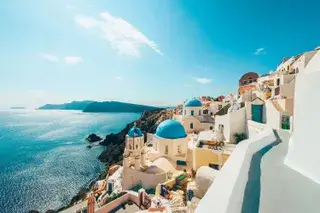
Best of the Greek islands for: Honeymooners and first-timers
Cooing American and Chinese honeymooners line up to take selfies as the sun sinks behind Santorini’s caldera, the flooded volcanic crater. That view may be a romantic cliché, but it still takes your breath away. A volcanic explosion blew out Santorini’s heart 3,500 years ago, leaving black-sand beaches, vertiginous cliffs in psychedelic hues, and swirling rumors about Atlantis in its wake. The eruption also preserved the ancient city of Akrotiri under layers of ash, and created fertile ground for exceptional Assyrtiko grapes and Vinsanto wines. (Sample them at Domaine Sigalas and Vassaltis wineries, paired with delicate dishes that let the grapes sing.)
Apart from a boat trip to the smoldering crater of Nea Kameni and hot springs at Palia Kameni, there’s not much to do but gaze at the mesmerizing views from your suite, dangling on the edge of the caldera. Most places to stay are concentrated in Oia and Imerovigli, but the inland village of Pyrgos is up-and-coming. Go for a twilight Bellini at Franco’s Cafe and visit Emporio, with its smattering of old-school coffee shops and Airbnbs. For a glimpse of Santorini before the onslaught of cruise ships and Instagrammers, explore the quieter south (but keep your discoveries to yourself).
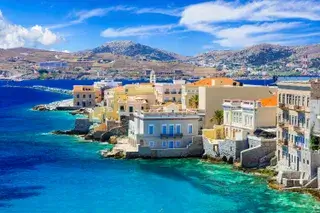
Best of the Greek islands for: Culture and off-season cachet
On Syros, capital of the Cyclades, you won’t find sugar-cube villages and whitewashed lanes. The colorful 19th-century city of Ermoupoli is built on twin peaks–one Orthodox, the other Catholic, the heritage of a long Venetian occupation. There’s still a strong Italian flavour in Ermoupoli’s marble piazzas, princely mansions, and miniature replica of La Scala, the showpiece of a year-round cultural scene. Syros hosts festivals of animation, dance, digital art, film, classical music, jazz and rembetiko, the Greek blues popularised by local musician Markos Vamvakaris. A few rembetiko joints have survived in the upper town, Ano Syros.
Once Greece’s ship-building centre, Syros’ industry centres around the yard in Neorio. But the most splendid legacy of the shipping industry are the manor houses in Vaporia and Poseidonia. The beaches are slightly less splendid—with the exception of Delfini, Varvarousa, and Aetos in the wild north. But fabulous seaside tavernas abound: Iliovassilemar on Galissas beach for samphire and sea-urchin salad and rockfish soup; Allou Yialou in the pretty seaside village of Kini for lobster with orzo. In Ermoupoli, the finest places to eat and drink are around Androu Street: Ousyra, where the chef plates up Greek-ified pasta and beautifully balanced salads, and Django Gelato, where the pistachio gelato reigns supreme, and the fig sorbet made in August can sell out in less than half an hour. Perhaps the prettiest restaurant of all is Mazi, a vine-covered courtyard festooned with bougainvillea. Before you leave, stock up on loukoumi (rose-tinted Turkish delight) and San Michali cheese from Prekas delicatessen, and visit Zeyelo for hand-made wooden sunglasses. For more recommendations, see our insider guide to Syros.
Best of the Greek islands for: Authenticity with a bohemian buzz
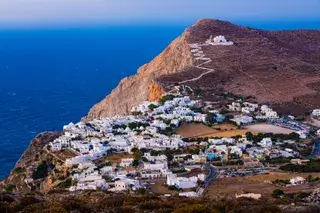
The village square should be your first port of call on any Greek island: settle into your favorite café, pick up local gossip, and adjust to the languid pace of life. On Folegandros, this presents a challenge: the cliff-hanger capital, Hora, has not one but three squares, each brimming with a jumble of cafés, tavernas and dinky raki bars. We recommend Pounta, where the Danish owner makes and sells the lopsided cups and bowls in which your coffee and Greek yogurt are served. From Hora, zigzagging steps lead up, up and away to the only real landmark, Panagia church; make the pilgrimage at sunrise (perhaps after an all-nighter at diminutive Astarti bar).
Folegandros–which means ‘iron hard’ in ancient Greek–is as barren as its name suggests. Fruit trees are protected from fierce winds by rings of stones. You won’t find sandy beaches lined with sunbeds; only limpid, pebbly coves, such as Katergo, Ambeli and Livadaki. Set in the rocks above Agios Nikolaos bay, Papalagi serves big fat prawns and whole grilled octopus on a wooden deck aligned with the horizon. Water taxis service some beaches in high season; otherwise you’ll have to scramble down rocky footpaths to cool off. On your way home, stop at Mimis or Synantisi in Ano Meria for the island speciality of matsata (goat or rabbit stew with hand-made pasta).
Best of the Greek islands for: Character and lush landscapes
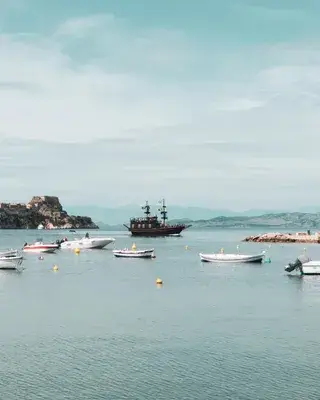
Corfu is the It Girl of the Ionian islands. The cosmopolitan capital is a charming clash of Venetian, British, and French colonial influences. Evenings kick off with cocktails on the Liston (a colonnade modelled on Paris’s Rue de Rivoli), followed by dinner at Salto, an unpretentious wine bar and bistro on the edge of the Old Town.
With its pastel villages, rolling olive groves and grand manor houses, the rest of the island recalls Tuscany—but with some of the best beaches in Europe. The smart set stay on Corfu’s north-east coast (nicknamed Kensington-on-Sea) where the Rothschilds like to unwind. It’s wall-to-wall Sloanes and speedboats at Agni, a tiny fishing village with three rival tavernas (Toula’s is the best). From here, you can rent a boat and putter to your own cove: perhaps Nissaki, Agios Stefanos or Kerasia. These idyllic bays still resemble the ‘delectable landscape’ that Lawrence Durrell fell for in the 1930s–now back in vogue thanks to the ITV series, The Durrells. Or venture inland to Ambelonas, an enchanting winery, restaurant and cooking school that specializes in unusual local dishes, such as roast pork with quince and crème brûlée with Corfiot kumquats. Steer clear of the south, especially Kavos–unless you happen to like wet T-shirt contests.

Best of the Greek islands for: Endless sandy beaches
Naxiots once made considerable fortunes exporting potatoes, cheese, marble and emery. Locals bequeathed undesirable seaside plots–useless for farming–to their laziest offspring. When tourists cottoned on to the island’s scores of fabulous beaches, these wastrels found themselves sitting on gold mines. The west coast of Naxos is fringed with mile upon mile of powdery sands. Agios Prokopios and Agia Anna delight toddlers and teenagers alike with their shallow waters and beach bars. As you head south, the beaches get wilder: Plaka, where you can gallop across the dunes on horseback, Mikri Vigla for windsurfing and kitesurfing, and crystal-clear Kastraki.
Should you tire of frolicking on the shore, three supersized kouros statues are hidden in the hills and there are dozens of drowsy villages to explore. Try kitron, the local citron liqueur, at the Vallindras distillery in Halki or sample homemade wine and arseniko cheese under the plane trees in Ano Potamia village. No wonder Herodotus described Naxos as “the happiest of islands.”
Best of the Greek islands for: Laidback family holidays
Casting Penélope Cruz as a Greek peasant is improbable. Shooting a World War II film on an island flattened by an earthquake in 1953 sounds even crazier. And yet Captain Corelli’s Mandolin put under-the-radar Kefalonia (Cephalonia) in the spotlight in 2001. The dramatic scenery still lives up to the hype: milky-white Myrtos beach, the island’s pin-up; pine-fringed Horgota beach; and the giddying heights of Mount Ainos, a national park where wild horses roam. Outdoor Kefalonia organises four-wheel-drive safaris, if you can’t face the hairpin bends. Surprisingly, the two prettiest seaside villages–Assos and Fiskardo–didn’t make the cut. But the yachting set has discovered their photogenic charm. Everyone from John Galliano to Jon Bon Jovi has jumped ashore to taste the seafood pasta at Tassia Restaurant in Fiskardo, washed down with local Robola and Muscat wines. (We recommend the organic muscat from the 19th century Haritatos Vineyard in Lixouri, also an enchanting setting for wine tasting.) The rocky coastline around Fiskardo is deliciously pristine: go snorkeling at tiny Dafnoudi or Emblisi, flanked by slabs of limestone that turn the water electric blue.

Best of the Greek islands for: Walking trails and wild beaches
Divided by four mountain ranges, Andros is like several islands in one. Lush valleys, rushing streams, handsome villages, and wild, windswept beaches are connected by a well-maintained network of hiking trails, making this an excellent off-season destination. Many of Greece’s powerful shipping dynasties hail from Andros; they have bequeathed the island with grand estates, splendid museums, and an elegant neoclassical capital. The marble-paved streets of Chora are full of unexpected treasures: a tiny, open-air cinema showing black-and-white classics, great pizzas and cocktails in a converted slaughterhouse, sublime sundresses and sandals at Waikiki boutique. Inland, there are fortified monasteries, ice-cold waterfalls, and fantastic farm-to-table tavernas like Kosses in Ano Fellos, Fofo’s in Livadia, and Tou Josef in Pitrofos to explore. And then there are the mind-blowing beaches: from the spectacular sandy bays of Zorkos, Vitali, and Vori on the north coast to the mellow beach bars at Apothikes and Chryssi Ammos, or the sunset views and old-school fish taverna at Agia Marina, there are options for whichever way the wind or your mood is blowing. You could spend weeks on Andros and still have more to discover.
Best of the Greek islands for: Naturists and purists
The sleeper hit of the Cyclades, Serifos is the summer retreat of interior designers and architects who prefer to keep the sandy beaches to themselves. (One French home-owner is so protective of her hideaway that she tells all her friends she summers on nearby Sifnos.) Even in August, you’ll find coves where you can skinny dip in blissful solitude. That’s because the best beaches (such as Kalo Ambeli and Skala) are only accessible via bone-rattling dirt roads or donkey tracks. Better still, rent a motor boat from the laidback harbor, Livada. Make sure to moor outside Anna’s taverna on Sikamia beach for freshly caught fish and garden-grown salads.
In the cascading hilltop Hora, there’s barely any nightlife, no smart boutiques or fancy hotels. But who cares when you can kick back with fennel pie and raki at Stou Stratou, pick up Natassa Kalogeropoulou’s minimalist ceramics at Kerameio, and listen to Greek folk in the open-air amphitheatre? And all less than three hours from Athens.
Best of the Greek islands for: Decadent parties and five-star hotels
Mykonos had LGBTQ+ clubs and sunrise parties long before rave culture was even invented. Its bohemian allure hasn’t faded since the 1960s, although the once naked beaches now have nail bars, personal trainers and house music pumping out all hours. The influx of supermodels and superyachts has inspired hot new hotels and restaurants. The hippest place to show off your abs is Scorpios, a louche beach bar that puts Ibiza’s finest in the shade (book a cabana to watch the sunset). After hours, it’s always Astra, where you might find Keith Richards chatting up Karolina Kurkova. The LGBTQ+ crowd has dwindled, but drag queens and oiled bodybuilders make a splash at Jackie O’, overlooking Super Paradise beach.
If the glitzy excess gets too much, escape to Fokos taverna for superfood salads and lamb chops, or Kiki’s, an off-grid grill-shack overlooking Agios Sostis bay, where even Naomi Campbell has to queue for a table. Or cruise over to the tiny island of Delos, an archaeological sanctuary that once thronged with 30,000 sun worshippers (the temple is dedicated to Apollo, the Greek god of light).
Best of the Greek islands for: Seaside holidays with toddlers or teens
Zakynthos, or Zante, has shrugged off its reputation as a destination for lads on tour (as long as you avoid Lagana and the built-up south coast) by rebranding itself as one of Greece’s greenest islands. It’s not just the emerald hills sliding into the electric blue Ionian: much of the south coast is a nature reserve where endangered loggerhead turtles hatch in the sand. The turtle beaches are off limits, but there are countless coves in every hue of green and blue. Favourites are tiny Xigia, with its bubbling underwater springs, and craggy Porto Limnionas, with sunbeds wedged between the rocks and palm-frond umbrellas positioned between the pine trees. Skinari is the starting point for boat trips to the most famous landmarks, the Blue Caves and Shipwreck Beach, where a rusting liner leans into the chalky cliffs. From Keri, you can cast away for Marathonisi island, another turtle sanctuary.
The mountainous interior, all sleepy stone villages poking out of pine forests, is great for hikes and bikes. (Eco Zante can arrange outdoor activities guided by insiders.) Askos Stone Park is a wildlife sanctuary inhabited by deer, chinchilla, and dozens of other species. After exploring the Venetian castle high above the harbour, treat the kids to thin-crust pizzas (with grown-up toppings like bresaola, aubergine, and gorgonzola) at Alesta on cute St Mark’s Square.
Best of the Greek islands for: Deep-blue seas and wide-open spaces
It’s not easy to get to Amorgos. In high winds, the fast ferries stay grounded and the slow boat takes upwards of eight hours from Athens. When you disembark at Katapola, a sleepy harbor lined with great little fish tavernas (our favorites are Prekas and Mouragio), a sign announces: ‘Welcome to Amorgos. Nobody will find you here.’
That’s just the point. This craggy Cycladic island has always attracted loners, hikers, divers, and pilgrims, who shuffle up the cliff face to the Monastery of Hozoviotissa, a sliver of white dangling 300 metres above the sea. The water here is a million shades of blue and so startlingly clear you can see every sea urchin lurking on the rocky shore. Even the sage-scented hiking trails are called Blue Paths, because the sea and sky are visible in all directions.
With a population of under 2,000, the locals are outnumbered by shaggy goats that blend in perfectly with the burnished landscape and hippie vibe. But you don’t have to be a recluse to fall for Amorgos. There are plenty of all-day spots and a few late-night bars where Amorgos groupies meet, summer after summer: Jazzmin, in Hora, for backgammon and cocktails; Pergalidi in Langada for herbal infusions and jazzy tunes; Seladi in Tholaria, with giddying views and a telescope for stargazing.
Where to stay on Amorgos: There are very few hotels on Amorgos, beyond basic rooms to let. Vorina Ktismata is the exception, with seven smart apartments looking out across Hora’s white-washed rooftops.
Best of the Greek islands for: The perfect balance of seclusion and sophistication
One of the tiniest Ionian islands, Paxos packs a big punch. Not for its five-star hotels (there are hardly any) or its sandy beaches (practically none), but for its electric blue sea and three dinky harbor towns, each one so pretty it’s impossible to pick a favorite. In laid-back Loggos, on the northeast coast, star-spangled evenings are spent on the waterfront terrace of Taxidi bar, where the owner, Spiros, often jams with local musicians. You could while away days in the waterfront cafés of Lakka, watching lissom sailors hop on and off their yachts. Protected from the wind but with a lively social scene, the main port of Gaios is characterized by Venetian architecture and a high quota of stylish Italians, who own pale stone villas hidden in the wooded interior or on the crest of the limestone cliffs along the western shoreline. For the many British Paxos aficionados, all roads lead to Ben’s Bar, a happy-go-lucky hangout on Monodendri beach, where you can laze under the olive trees with French toast and Piña Coladas. Make sure to rent a motor boat to putter along the coast to pebble coves such as Marmari and Kipiadi, or across to Antipaxos, an even smaller island that’s a hit with the yachting set. Paths through vineyards and orchards trickle down to bays with sea so clear it looks retouched.
Best of the Greek islands for: Sailors, surfers, and superstar beaches
Lefkada is something of an anomaly. Unlike the other Ionian islands, it’s accessible from the mainland via a causeway on the northern tip. Lefkada’s main town, flattened by an earthquake in the 1950s, certainly won’t take your breath away, but those famous cliff-backed beaches, Egremni and Porto Katsiki, sure will. You’ll find sheltered beaches no matter which way the wind is blowing; but if you’re here for the swell, the south coast is fantastic for windsurfing (head to Vassiliki or Sivota, home to the world windsurfing championships) and Agios Ioannis bay billows with kite-surfers. At Nidri, ignore the unlovely bars and watersports centres, and hop on a boat to explore the little isles nearby. You can swim through sea caves near Kalamos; eat seared tuna with tarama at Errikos taverna on Meganisi, a favorite of reclusive billionaires; and watch the sunset with a basil-infused Mastiha and tonic at Mylos bar, a converted windmill on Kastos.
Want to cool down or escape the summer crowds? Drive through forests of chestnut and pine into Lefkada’s mountainous interior to the somnolent villages of Karya (home to an enchanting textile museum), Eglouvi (to play backgammon under plane trees) and Exanthia (to watch the setting sun from up in the clouds at Rachi restaurant). You might even see paragliders leaping off the mountain.
Best of the Greek islands for: A mythical retreat for lovers and loners
Despite its legendary stature, the homeland of Homer’s hero, Odysseus, remains surprisingly under the radar. Ithaca’s turquoise and emerald coves are popular with the sailing set, but few visitors venture into the forested hills. So you might be the only person exploring the eighth-century BC ruins of Odysseus’ palace, or making the heady trek to the church of Anogi, covered in Byzantine frescoes (ask for the key at the village coffee shop, where the owner will cook you a set menu of whatever is available–maybe a tomato salad, some local cheese and braised goat—straight from her garden or neighbours’ fields).
From Anogi, it’s an exhilarating two-hire hike down to Kioni, a miniature port where you’ll find Spavento, the perfect pier-side café-bar. Go any time of day or night for ice-cream sundaes, excellent cocktails, and a soundtrack to make your heart sing. The waterside tavernas at the drowsy fishing port of Frikes are unfailingly delightful, especially Ageri. The deep, sheltered harbor town of Vathy is barely livelier, but the mood can be deliciously mischievous at Mylos bar. Beaches are mostly small and pebbly, but the sea is as clear and refreshing as gin. Authentic, unspoiled and infuriatingly (or gratifyingly) hard to reach, rugged little Ithaca is somewhere you can still disappear.
Best for: Traditional villages and knockout tavernas
Tinos has more than 50 villages, each vying to be fairest of them all. In Pyrgos, famous for its marble craftsmen, sculpted birds and flowers decorate every doorway. In Volax, basket weavers squat outside cottages surrounded by giant boulders, seemingly flung from the heavens by Zeus in a fit of pique. There’s even a village called ‘love’, Agapi, where you can tuck into wild-fennel fritters at the only taverna. Tinos takes its food culture seriously: there are artichoke, caper and honey festivals. Marathia launched the island’s farm- (or fishing-boat-) to-table scene, elevating local ingredients into complex modern dishes. For a perfect meal in perfect surroundings, go for cuttlefish risotto and octopus caramelized in grape must at Thalassaki, served on the jetty in Isternia bay, then watch dusk bleed into the horizon from Exomeria bar.
Tinos is only 20 minutes from Mykonos, so it’s a wonder it isn’t overrun with tourists. The harbor is swarmed on 15 August, however, when Orthodox pilgrims flock here to kiss the Virgin Mary at the Monastery of Panagia Evangelistria, one of the holiest sites in Greece. Otherwise, the island is miraculously untouched. Solitary chapels and whimsical dovecotes stud thyme-scented hills, dropping to sandy bays whipped by the meltemi wind. There’s a nascent surfer scene on Kolibithra bay, where a VW camper van has been converted into a cute beach bar.
Best of the Greek islands for: Stark mystique and show-stopping villas
Patmos has an indefinable je ne sais quoi–an otherworldly quality that radiates from its crowning glory, the medieval Monastery of St John. This turreted fortress, bursting with Byzantine relics, is named after John the Divine, who conjured up his apocalyptic revelations in a cave nearby. Pure-white Hora, a World Heritage Site, is where A-listers and fashion editors stay. High walls and heavy doors conceal magnificent mansions dating back to the 16th century. The almighty church has kept nightlife in check. If you must see and be seen, head to quietly glamorous Astivi or Stoa Theo’s bar, on miniature Agia Lesbia, in Hora. Beach life is generally languid and low-key; Psili Ammos and Livadi Geranou are our favorite hideouts. Dinner reservations are essential at Benetos, for Med-Asian fusion on an organic farm, and Lambi for grilled fish on a purple pebble beach.
Joining the Patmos in-crowd requires commitment. There’s no airport and it’s a nine-hour ferry journey from Athens, which keeps the hoi polloi at bay. Seriously reclusive types hop on a fishing boat from Patmos to Marathi and play castaway at Pantelis, a divine taverna with modest rooms to let.
Best of the Greek islands for: Flopping onto a sandy beach with a good book
Skiathos may be the smallest of the Sporades islands, which counts among its number sleepy Alonissos and the pretty Mamma Mia! location of Skopelos, but it’s by far the most popular, especially with families, who come for the baby powder-soft sandy beaches and laid-back vibe. The island has some of the finest beaches in Greece, with the tree-lined, turquoise-watered Koukounaries in the south the most celebrated and the busiest (forget about getting a sun lounger here in peak season). Those in the north of the island, which can only be accessed by a steep, winding drive through pine groves, are more rugged and windswept but no less idyllic–emerging onto Elia beach on the west coast, with its crystal-clear sea and rickety wooden taverna, is like stepping into a little slice of paradise.
As dusk falls the town starts to liven up, with most of the action centered around Papadiamantis Street, the main shopping drag. Stroll down it on the way to dinner and browse smart boutiques selling handcrafted jewelery and knick-knacks, or pick up local delicacies from the upmarket Ergon deli (reopens in May), which also has outposts in Athens, Thessaloniki and Mayfair. The buzziest restaurants are clustered around the harbour, with Bourtzi, perched atop a tiny rocky island, the best spot for sundowner cocktails and The Windmill a favorite for elegant suppers. For the most charming setting, head to Sklithri and book one of the taverna’s tables right on the beach. Order an ice-cold Mythos beer, baked feta and a platter of perfectly-chargrilled and out-of-this-world delicious vegetables then watch the sun set over the Aegean, with your toes in the sand.
Discover the secret Italian islands where overtourism isn’t an issueJust off the northern coast of Sicily is the dazzling Aeolian archipelago, with something to offer in every season.
Italy truly has a timeless allure. The country has been through so much recently, so you could be forgiven for forgetting the features that make Italy one of the most geographically diverse and spectacular countries on earth.
Beyond the classic destinations like Venice, Florence and Rome — and even beyond the mainland ‘boot’ of Italy — there are gorgeous islands of various shapes and sizes that invite discovery.
And the Aeolian archipelago just off the northern coast of Sicily, is arguably the most bewitching of these. Here, overtourism has never really been a problem — and it certainly isn’t an issue at the moment.
The seven islands in the Aeolian chain include lush Salina, the jet-set playground isle of Panarea, and ethereal Stromboli, whose eponymous active volcano is a sight that has mesmerised travellers since ancient times. Gnarled, reddish lava formations grace many of these varied island coasts, sometimes jutting up right from the seafloor.
The Aeolian Islands are arguably the most pristine archipelago in the entire Mediterranean and are a UNESCO World Heritage Site too.
Go there by ferry from the Sicilian town of Milazzo or by flying into Naples or Palermo then taking any number of ferries from those cities to the islands, which include:
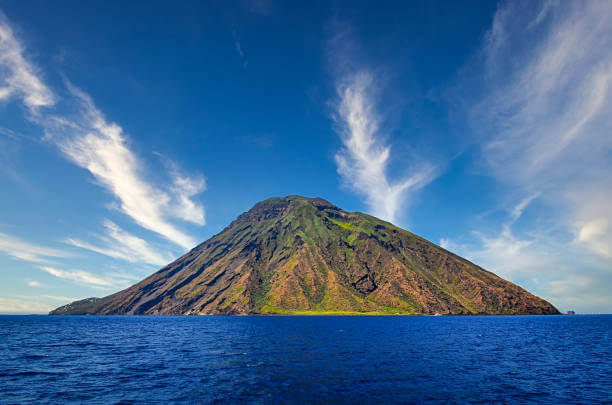
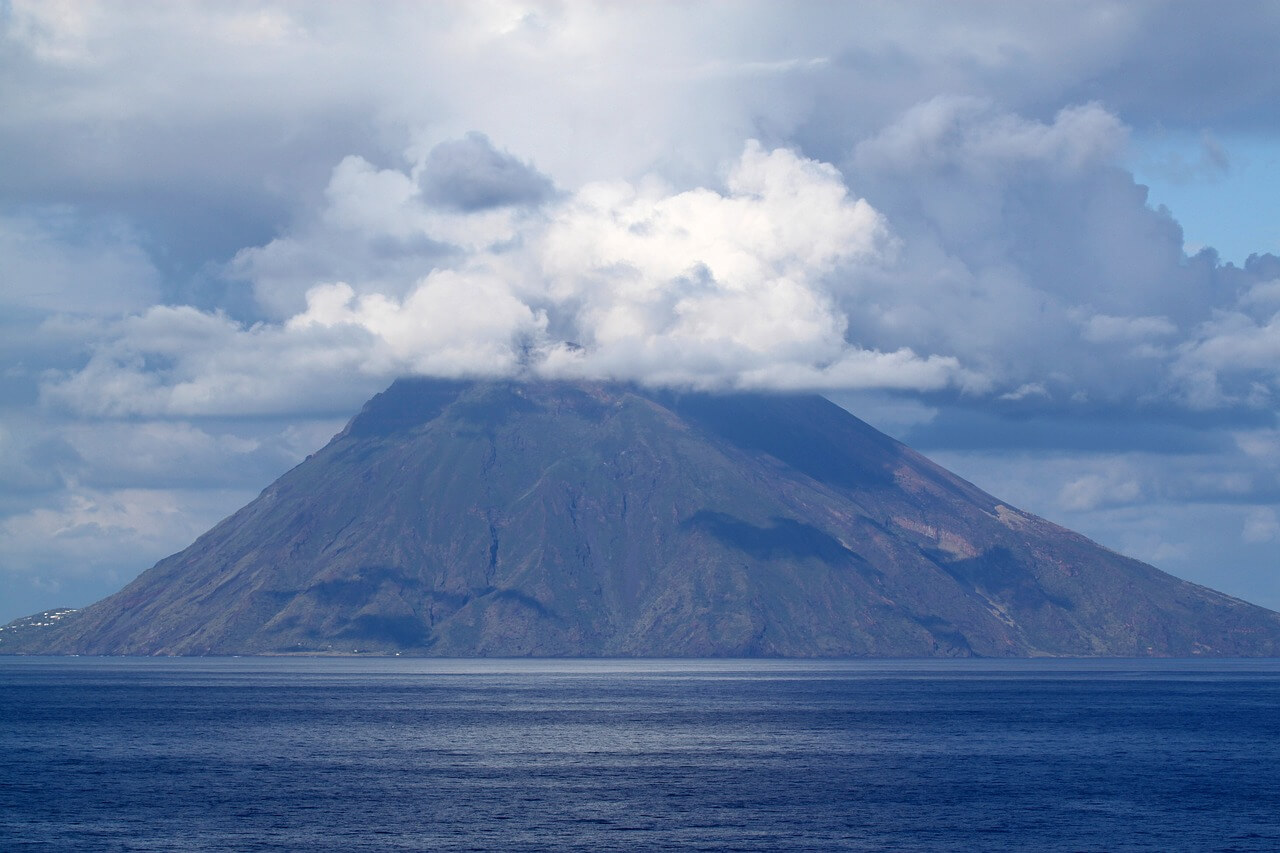
Stromboli’s volcano is rightly known as the “lighthouse of the Mediterranean” because every night, lava erupts from the top and streams down from the Sciara del Fuoco into the sea. It’s a truly awe-inspiring sight, especially when enjoyed from the outdoor deck of a night boat — it’s easy to find one in the little port of Ginostra.
The volcano is actually 8,000 feet tall, while only about 3,000 feet are above sea level. There are a couple of small villages and some decent black-sand beaches on the island, but basically, Stromboli is a giant volcano.
2. Sweet Salina
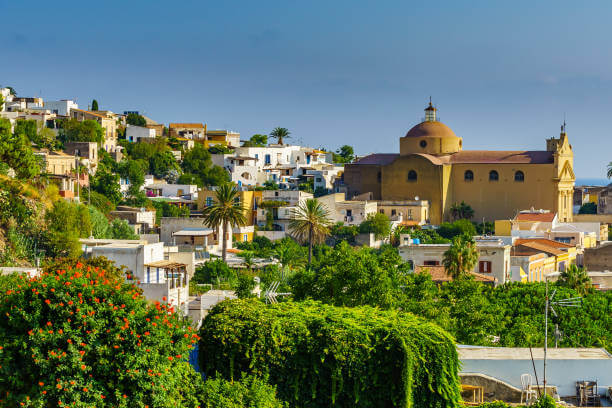
Two lumbering, extinct volcanoes form the spine of Salina. The taller of the two, Monte Fossa delle Felci, at 962 metres, is the highest peak in the Aeolian archipelago.
Unlike stern Stromboli, this is a lush and verdant isle. Its most famous products are capers and Malvasia, the sweet fragrant white wine made from dried grapes.
The main port is Santa Marina, but for the best vistas and most interesting places to stay, hop on a bus to the village of Malfa, where Hotel Signum has a pleasant al fresco restaurant and great spa. At the clifftop Capofaro Locanda & Malvasia, you may need to cross a vineyard get to your room — not necessarily a bad thing.
Movie buffs may also recognise Salina as the place where the classic 1994 movie ‘Il Postino’ was filmed.
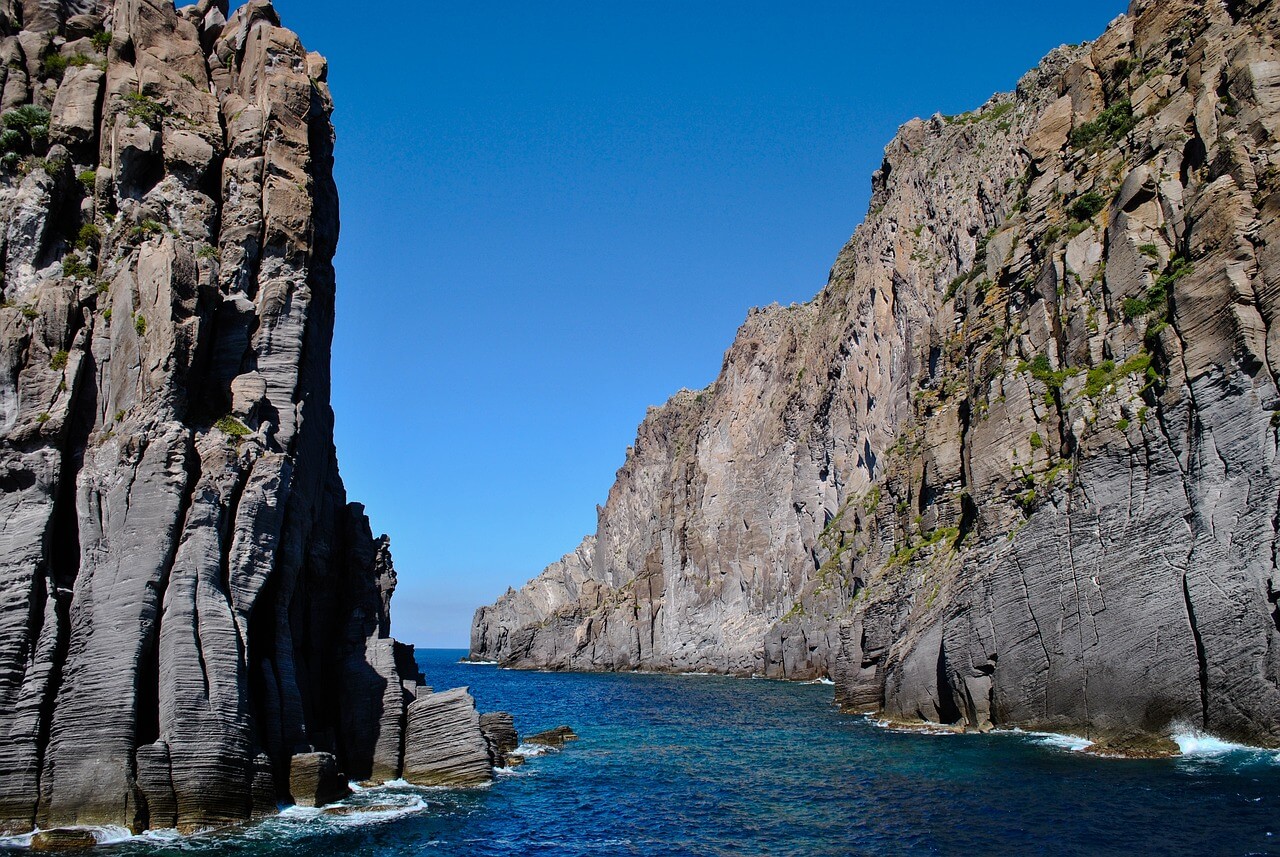
Panarea is one of the smallest of the Aeolians. With its combination of stark geography and reputation for attracting A-listers like Uma Thurman and Giorgio Armani, it’s the Italian answer to Mykonos.
In fact, the whitewashed lanes of the main village are reminiscent of Greek island towns. It’s no surprise then that the before the ancient Romans were here, Panarea was settled by Mycenaean Greeks.
The breezy, eclectic Hotel Raya helped put Panarea on the map in the 1960s and is still the best place to stay.
Take a short boat trip to the deserted islet of Basiluzzo where you can swim in the clear blue waters. Above the water, Air Panarea offers helicopter tours of nearby Stromboli’s volcano.
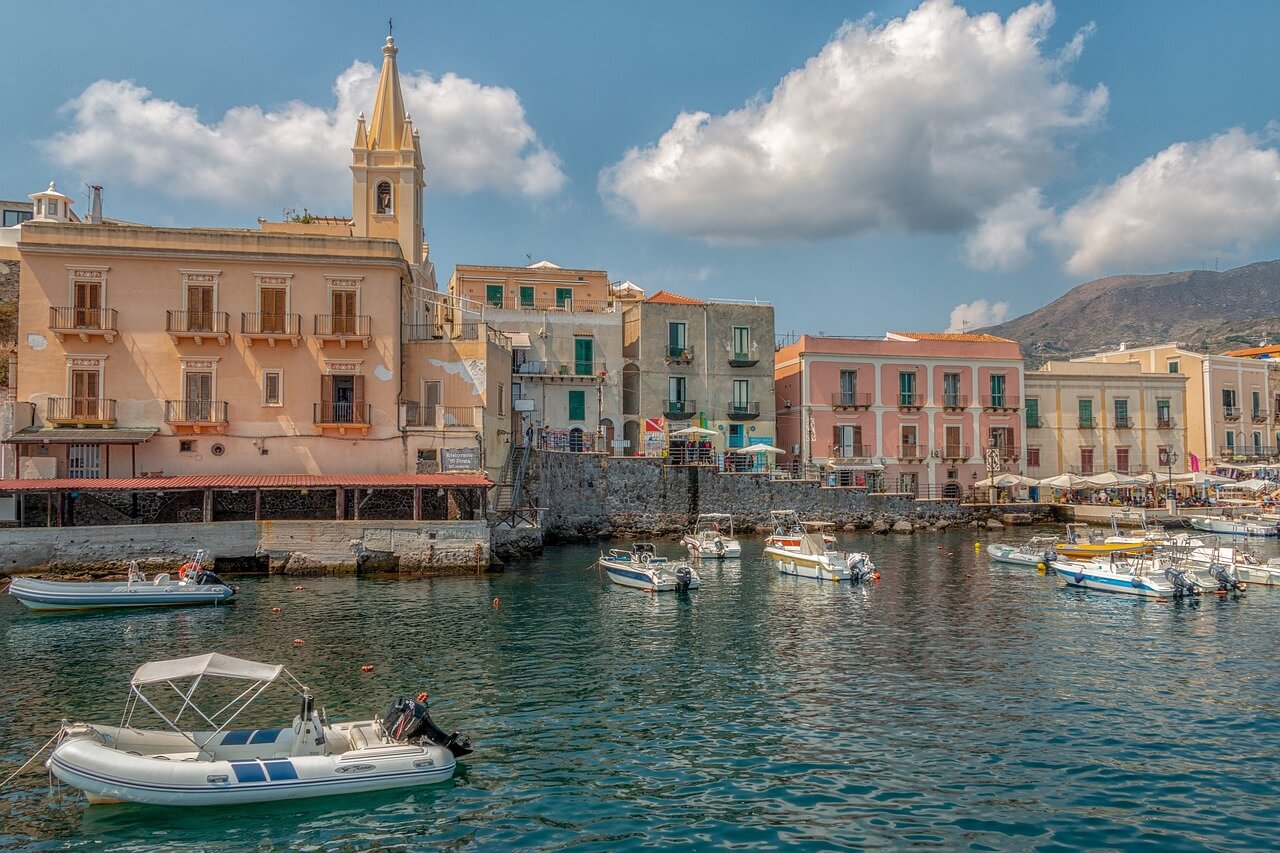
At nearly 15 square miles, Lipari is the largest of the Aeolian Islands and bears evidence of settlements long before the arrival of ancient Greek colonists.
Its main town, also called Lipari, is the commercial capital of the Aeolians and feels like a more down-to-earth version of Capri. It’s also home to a must-see archaeological museum, known for its displays of some ancient shipwreck cargoes and the world’s largest collection of miniature ancient Greek theatre masks.
From the Quattrocchi (Four Eyes) lookout point, about two miles out of Lipari town, you can get an eyeful of dramatic scenery and a view across the water to the island of Vulcano.
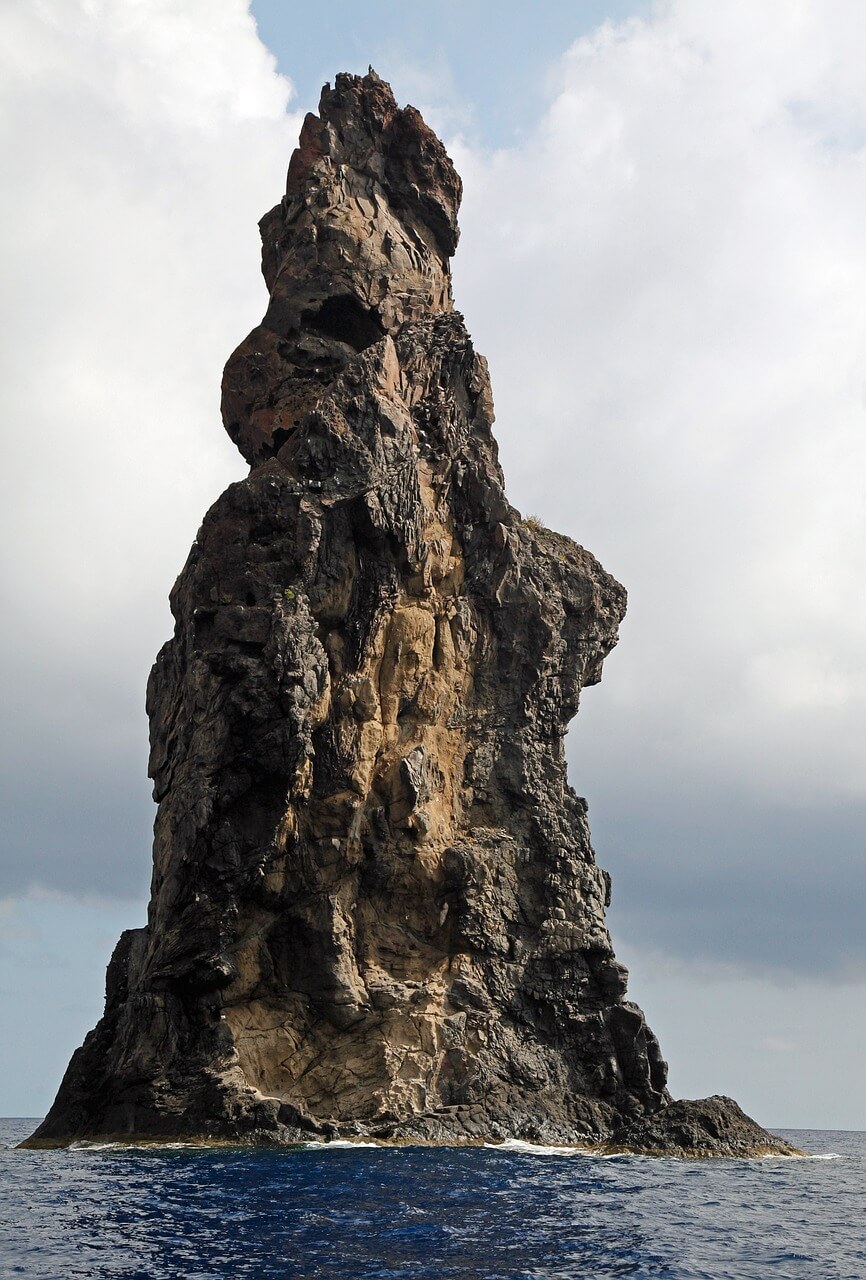
When approaching tiny, remote Filicudi, don’t miss La Canna, a volcanic rock that juts up like a sentry 243 feet above sea level. It’s a fitting introduction to an island that truly feels like it fell off the map, which is a bit deceptive, as this mountainous green island has been settled since Neolithic times.
You can inspect the ruins of a seaside Bronze Age village at Capo Graziano, about a 10-minute ride south from the small harbour. For the best seafood try Ristorante La Canna, perched just above the harbour, or La Sirena in the even tinier Pecorini a Mare beach.
Ancient Greeks called it Therassia and ascribed it to Hephaestus, god of fire. But the Romans renamed the island Vulcano and thought it was the chimney of Vulcan, their god of fire. It’s hard to argue with that as you hike or drive past smoking sulphurous fumaroles on the way to the Gran Cratere della Fossa, the biggest of the stratovolcanic cones.
On the north end is little Vulcanello, product of an eruption in 183 BC and connected to the main island by an isthmus. It’s there, at Porto di Ponente, where you can indulge in a therapeutic mud bath and work in a swim at a broad black-sand beach.
For those who like to plan ahead, the best place to stay in Vulcano is the Therasia Resort — the views from there across the sea to Lipari will blow you away. The resort reopens in April.
euronews.travel
The Ultimate Amalfi Coast GuideEnjoy the stunning hilltop towns and breathtaking coastal drives around Positano, Amalfi and Ravello.
Southern Italy’s famous coastline runs from Punta Campanella to Salerno and includes the picturesque hilltop towns of Positano, Amalfi and Ravello. Brave the narrow, winding coastal road and discover the hidden treasures of the terraced towns and villages along the way.
The Amalfi Coast remains an intriguing mix of sophistication and simplicity. A mere seagull’s spit from the super yachts, chauffeur-driven Mercedes-Benz and five-star hotels, another more rural reality exists. Around precariously stacked hill villages, farmers still cultivate small plots of steeply terraced land, and their wives make cheese; down on the coast, tiny fishing communities make a living from the sea. The link between these worlds is Strada Statale 163 – the ‘road of 1,000 bends’ – commissioned by King Ferdinand II of Naples and completed in 1852. It hugs cliffs and deep gorges for 40km, slicing through lemon groves and whitewashed villages, rising and dipping above the shimmering sea. It is only ever wide enough for two lanes of traffic, with little room for manoeuvre, so traffic jams are unavoidable. And if you happen to be in an accident, well, as the Italians say with a resigned shrug… buona notte.
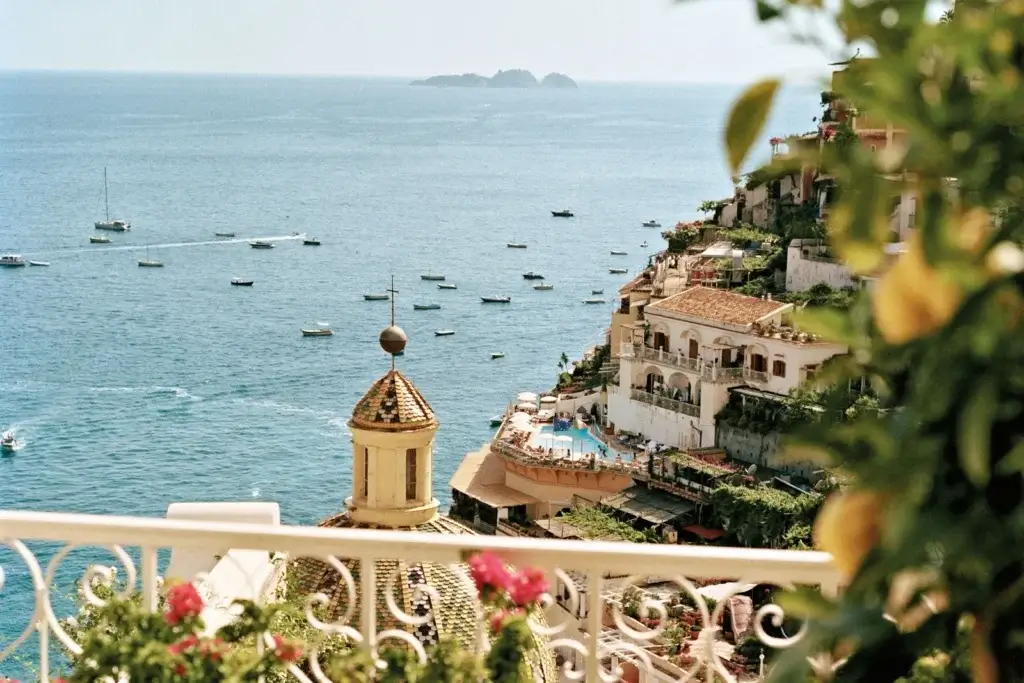
Explore the coastline along the 50km winding coast road from Sorrento to Salerno. In summer, when tourist-coach jams and the lack of anything resembling a parking space add to the chaos, it is often quicker to walk – and anyone without a head for heights is strongly advised to travel by boat (there is a regular summer service between Salerno, Amalfi, Positano and Capri).
Heading east towards the Amalfi coast from Salerno, you will leave the built-up port area, and head leisurely past the town of Vietri and its ceramic workshops to the coast proper. The approach from the west, on the other hand, drops immediately into the most spectacular scenery, looping from Meta – just before Sorrento – up to the Colli di San Pietro and down again towards Positano, with dizzying views of the spume below.
Take a boat from the quay at Positano and visit the Grotta delle Matera (which you can explore) and the pretty, disconcertingly named cove Marina di Crapolla, with Roman-villa ruins on the beach. Also stop at the three small islands known as Li Galli (literally meaning the cockerels), believed by the Ancients to be home to the Sirens, whose song so enthralled passing mariners that they went weak at the knees and allowed their ships to drift onto the rocks.
The big tourist-pull along the rugged stretch of coast between Positano and Amalfi is the Grotta dello Smeraldo, a swimming spot accessible by boat (frequent tours from Amalfi and Positano) or from a car park on the road above.
Visit the Duomo in Amalfi. Most of its prize pieces are displayed in the Cappella del Crocefisso. You get to it via the exquisite 13th-century cloister Chiostro del Paradiso, with its interlaced Moorish arches, which flanks the Duomo. In the square outside, the Bar Francese is a good place to sit and muse on the passing of empires with a cappuccino and a copy of The Duchess of Malfi.
The Duomo of Ravello is equally impressive with its bronze doors and the two exquisite marble pulpits that face each other across the nave, adorned with mosaics; there is also a good museum in the crypt. But most people visit Ravello for its two famous villas, the Villa Rufolo and the Villa Cimbrone, which is now a hotel.
Positano had a brief moment of glory in the 12th and 13th centuries when its merchant fleet gave Amalfi a run for its money, but centuries of decline forced three-quarters of the population to emigrate to the USA in the mid-1800s. When John Steinbeck arrived in 1953 to write his famous article for Harper’s Bazaar, he found a pretty little fishing village known only to a few, mostly Italian, cognoscenti. But the cat was out of the bag and the dolce vita jet set moved in, big time, in the 1960s. Described by Paul Klee as ‘the only place in the world conceived on a vertical rather than a horizontal axis’, Positano is home to just short of 4,000 souls, although in summer thousands more pile in daily from Sorrento, Capri, Ischia and Naples.
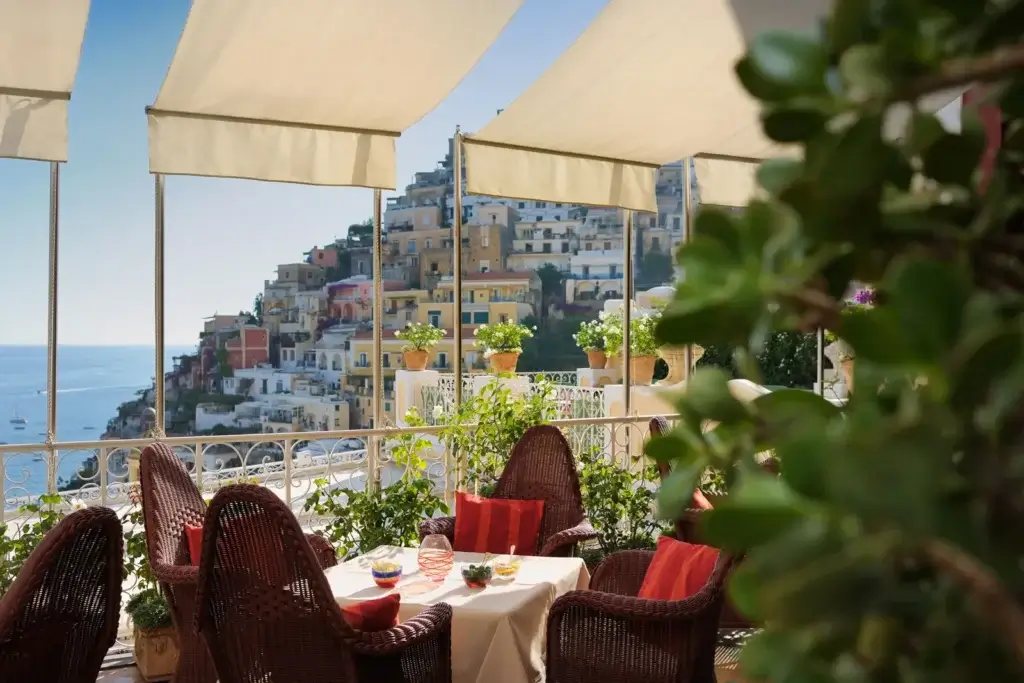
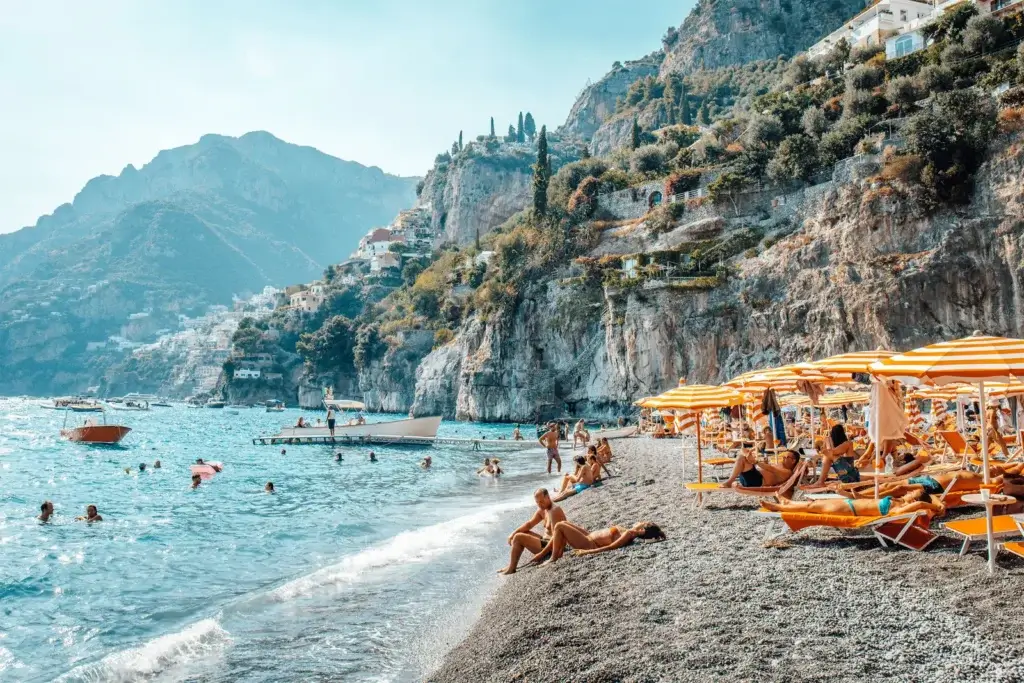
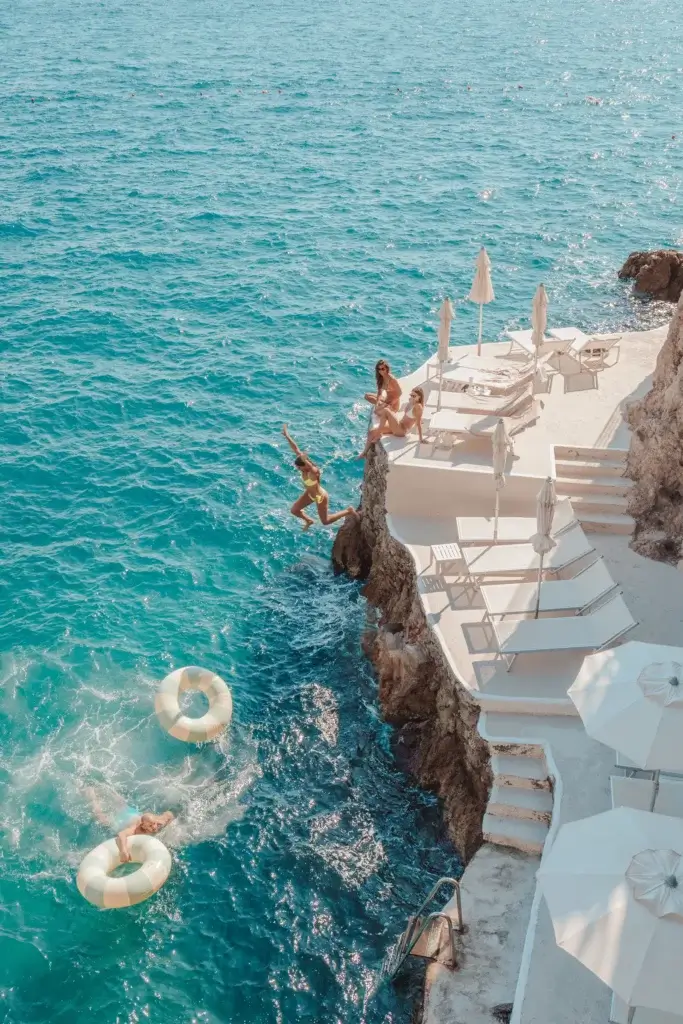
But in spite of the crowds, Positano remains utterly beguiling. You don’t come to Positano to see the sights; there aren’t any to speak of. You come to drink in the matchless views along with your Campari, to shop for flowing linen and handmade sandals, or simply to watch the passing parade of tanned women in gold sandals and immaculately groomed men in pastel shades, cashmere sweaters draped over their shoulders. The only street level is the beachside walk, or at least it feels that way: just about anywhere else you go will involve lots and lots of very steep steps. There’s always a buzz down here on the grey-shingle Marina Grande, where restaurants, bars and tall pines line the curve of sand. In summer, the serried ranks of sunbeds fill up quickly; for the best swimming, take a boat to explore the many small coves up and down the coast, a trip that can easily be combined with a stop-off for lunch at Da Adolfo beach shack on Laurito Beach. Book a table and wait on the jetty for the gozzo with the red fish on its mast to come and pick you up.
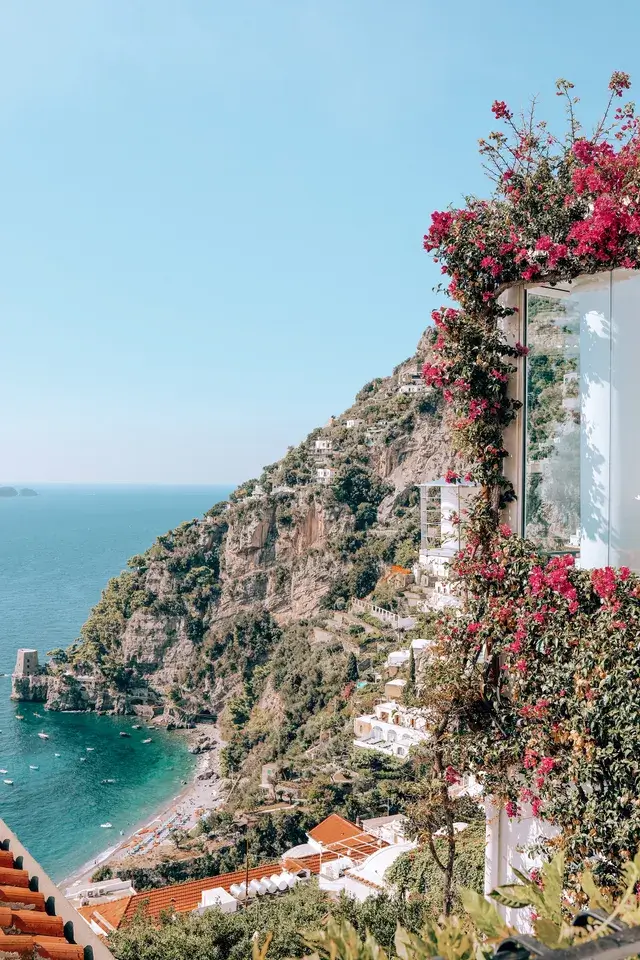
For spectacular snorkelling in crystal-clear water, head to Li Galli, the archipelago of three tiny, jagged islands just off the Amalfi Coast where, according to Greek mythology, the Sirens (or Sirenuse) attempted to lure Odysseus to his death on the rocks. Odysseus may have resisted, but Rudolf Nureyev was less successful: he made the largest island his home for the last years of his life. Hotels will arrange the trip (in their private boat if you’re staying at the right place), or you can talk to one of the four Lucias at the Lucibello boat booth on the beach.
A few bends to the east along the Amalfi Coast road is low-key Praiano, which has a couple of very cool, rather new, rather fresh places to stay. There isn’t really a centre to the village (unless you count the busy Bar del Sole), but it has a huge church with a colourful dome, and a rocky beach, La Gavitella, at the bottom of 350-plus steps, where you can enjoy the last rays of the evening sun – bliss on this convoluted stretch of coast. To really understand the topography of the costiera here, you need to get down to sea level. You can pick up a boat in Positano or Amalfi, but you can also take a detour down to cute Marina di Praia (aka La Praia), a clutch of cottages and a small beach wedged between towering cliffs, where there’s a boat concession and a couple of simple restaurants to set you up for your trip. Heading west, you will eventually reach Punta Campanella, the wild, barren tip of the Sorrentine Peninsula and, beyond it, Capri.
But a gentle chug eastwards towards Amalfi takes you past some pretty impressive scenery. It’s liberating to be out on the water and there’s so much to take in that isn’t visible from the road: gorgeous villas suspended over the water; sea caves and grottoes tucked into folds in the cliffs; solid Saracen defence towers that speak of pirate raids and war; slivers of pebble beach begging you to stop for a quick dip; waterside restaurants perfect for lazy lunches. The jagged coastline to the east of La Praia is broken by the Vallone di Furore gorge, which shelters at its mouth a few ancient fishermen’s huts hewn from the rock face and a tiny scrap of beach. Further on is the Grotta dello Smeraldo (you’ll know you’re there from the tourist boats swarming around it), named after the intense, greenish light that filters into the cave from an underwater arch.
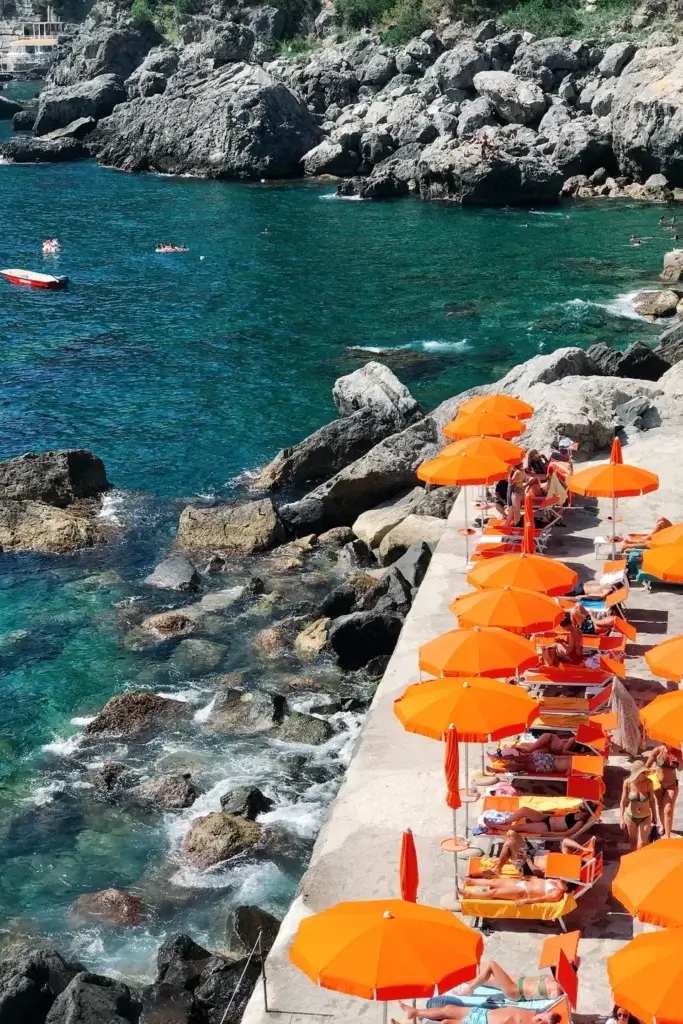
Just beyond the Capo di Conca headland lies the pretty fishing village of Marina di Conca, with a handful of restored fishermen’s houses, a couple of restaurants and a tiny, whitewashed chapel, all overlooking a shingle beach lapped by crystal-clear water. Back up on Strada Statale 163 (SS163), a towering viaduct crosses the Vallone di Furore, giving a bird’s-eye view of the fishing hamlet far below, and is a suitably vertiginous venue for the annual Mediterranean Cup High Diving Championship. In the hills directly above the gorge (to reach it you have to drive almost to Amalfi before doubling back) lies the little bohemian town of Furore. Beyond it is the fertile plain of Agerola, where soft-eyed, brown Agerolese cows provide milk for delicious cheeses such as the ovoid Provolone del Monaco and fior di latte Agerolese (cow’s-milk mozzarella). Apart from the dizzying views, there is a good reason for coming up here: a visit to Marisa Cuomo’s Gran Furor Divina Costiera winery, where Cuomo and her husband Andrea Ferraioli produce much-lauded DOC Costa d’Amalfi wines, rich with the tastes of sea and sun.
The lifeblood of Amalfi today is tourism, but between the ninth and 12th centuries it was a proud and glorious maritime republic with a population of 80,000, a rival to Venice, Pisa and Genoa. The Amalfitani learnt to make paper from Arab traders, producing bambagina, a thick, heavy parchment made from cotton and linen rags, and in the 18th century the steep, narrow Valle dei Mulini and surrounding area were clogged with paper mills. The hard sell in Amalfi these days is garish ceramics, neon-yellow limoncello in gimmicky bottles and the ubiquitous menu turistico. But it’s a very pretty little town with a fascinating history, in a spectacular setting wedged between the sea and the mountains, with several good restaurants and the wonderful Hotel Santa Caterina. And if you abandon the tourist-jammed main drag and climb up into the warren of narrow, tunnel-like side alleys and steep stairways, you will be catapulted back into the Middle Ages.
Life centres on the open-air salon of Piazza del Duomo, dominated by the flamboyant, striped façade of the Norman-Arab-style cathedral with its interlaced arches and a set of magnificent bronze doors cast in Constantinople in 1066. The best place to refuel and reflect is the charming old Pasticceria Pansa, whose delizie al limone, creamy cakes flavoured with local lemons, are legendary. Juicy Amalfi lemons make excellent limoncello, the local brew that will often be produced, homemade and straight from the freezer, at the end of a feast. To escape Amalfi’s crowds, take the stepped footpath that leads over the hill to Atrani, a fishing village with an atmospheric tangle of tightly packed buildings, tunnelled walkways and staircases and a brilliant trattoria, A’Paranza. If you are driving, you probably won’t even realise you’re in Atrani until it’s too late: the SS163 sweeps right over the top of it on a viaduct.
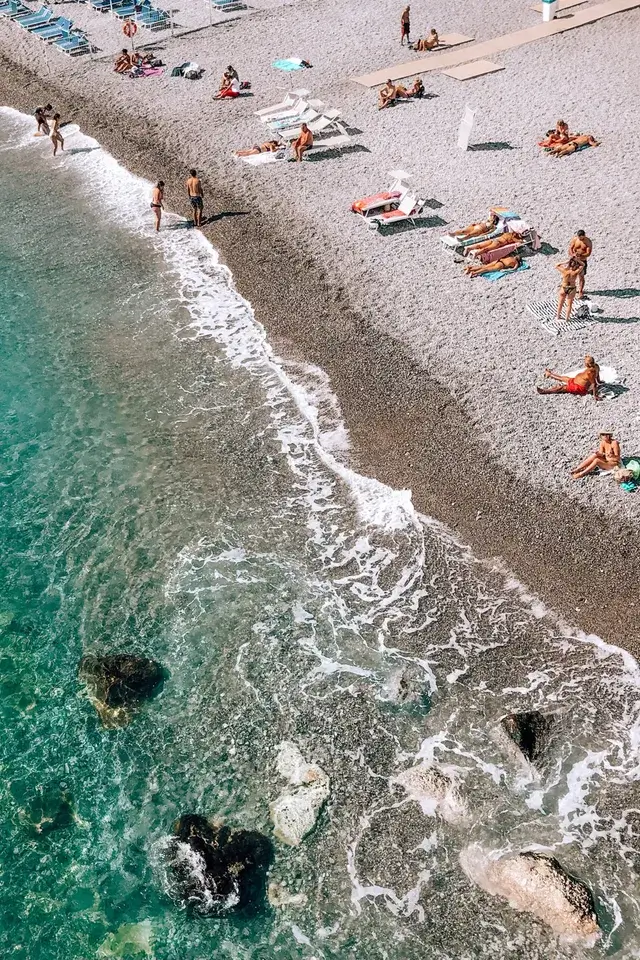
There’s a lot to be said for leaving the best until last, and for many Ravello is the jewel in the coastal crown. This ravishing town sits on a mountain buttress 350 metres above sea level, removed from the frantic hubbub below. If Positano is the glamour-puss of the costiera, Ravello is its refined, aristocratic cousin. Like Amalfi, the town used to be much larger and richer. Its once-elegant palazzi, secluded villas, dreamy gardens, magnificent views and romantic sense of faded glory have inspired a steady stream of A-list writers, artists and musicians since the days of the Grand Tour. Even now, once the tour groups have gone, there’s a real feeling of otherworldliness here, and you really should stay the night (there’s no shortage of excellent hotels). Most people come to Ravello to see its two magnificent garden estates.
In 1880 Richard Wagner famously drew inspiration for his opera Parsifal from the romantic garden of Villa Rufolo, restored in the mid-1800s by the Scotsman Francis Neville Reid. Another Brit, Lord Grimthorpe, bought Villa Cimbrone in 1904 and created an extravagant garden with dizzying views. The villa was a hangout for the Bloomsbury set in the 1920s and a love nest for Greta Garbo and the conductor Leopold Stokowski in the 1930s; it is now a hotel. Ravello is also home to the coast’s most beautiful church, the refreshingly spare 11th-century Duomo di Ravello, and its only distinguished example of contemporary architecture: Oscar Niemeyer’s futuristic New Energy Auditorium, a dazzlingly white, concrete-and-glass structure overlooking the Gulf of Salerno, designed to reflect the swell of the sea.
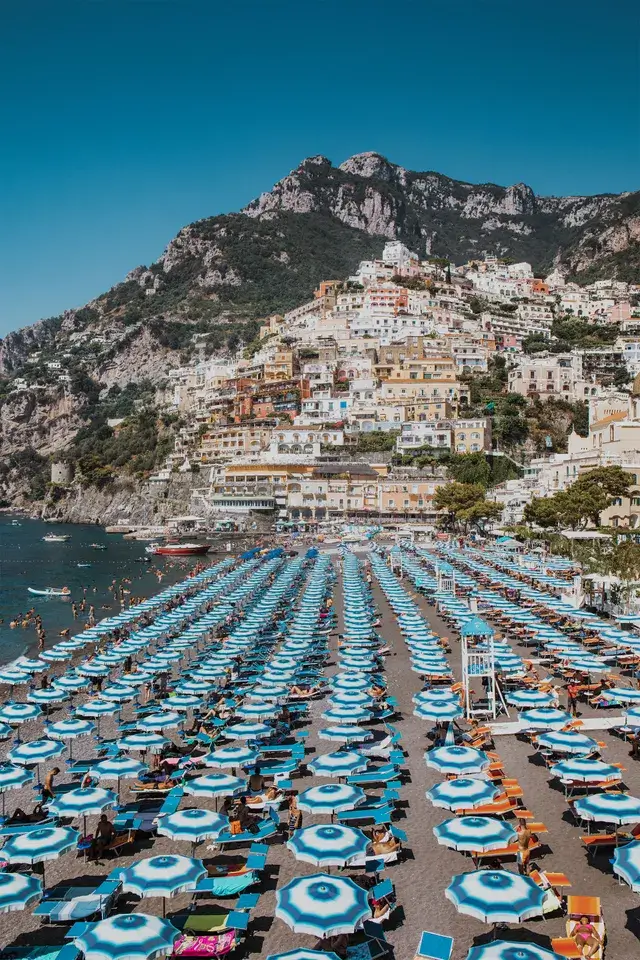
Just beyond Ravello, balanced on the opposite side of the Valle del Dragone, lies sleepy Scala. It is a real little charmer and was once an important outpost of the Amalfi Republic, evidence of which can still be found in its faded palazzi and disproportionately large 12th-century duomo. Steinbeck’s observation that ‘Positano bites deep; it is a dream place that isn’t quite real when you are there and becomes beckoningly real after you’ve gone’ could well be applied to the Amalfi Coast as a whole. In the height of summer, when sandwiched between two fume-belching coaches on the SS163, it’s tempting to dismiss the whole experience as being simply too much like hard work. But as the inimitable Gambardella sisters (doyennes of the Hotel Santa Caterina in Amalfi) point out: ‘There are bits of the old life left on the coast, but you have to know where to find them.’
Via: https://www.cntraveller.com/article/travel-guide-amalfi-coast
7 Days in the Ionian Islands from CorfuEmbark on an unforgettable voyage through the northern Ionian Sea, starting from Corfu, where sapphire waters, lush green landscapes, and centuries of culture blend into one of Greece’s most captivating sailing routes.
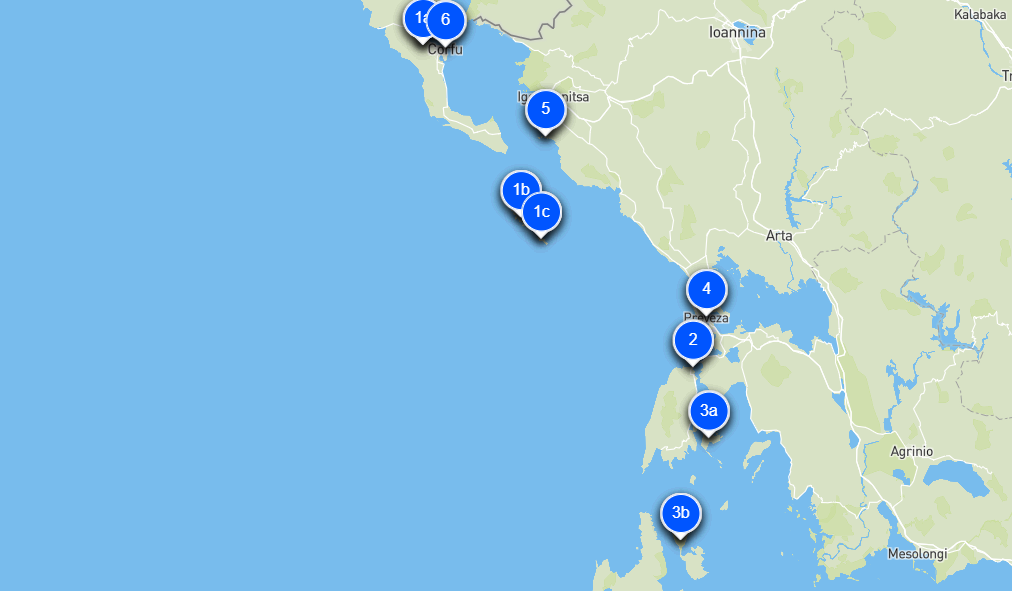
Set sail from Corfu, one of Greece’s most aristocratic islands, and journey south to Paxos.
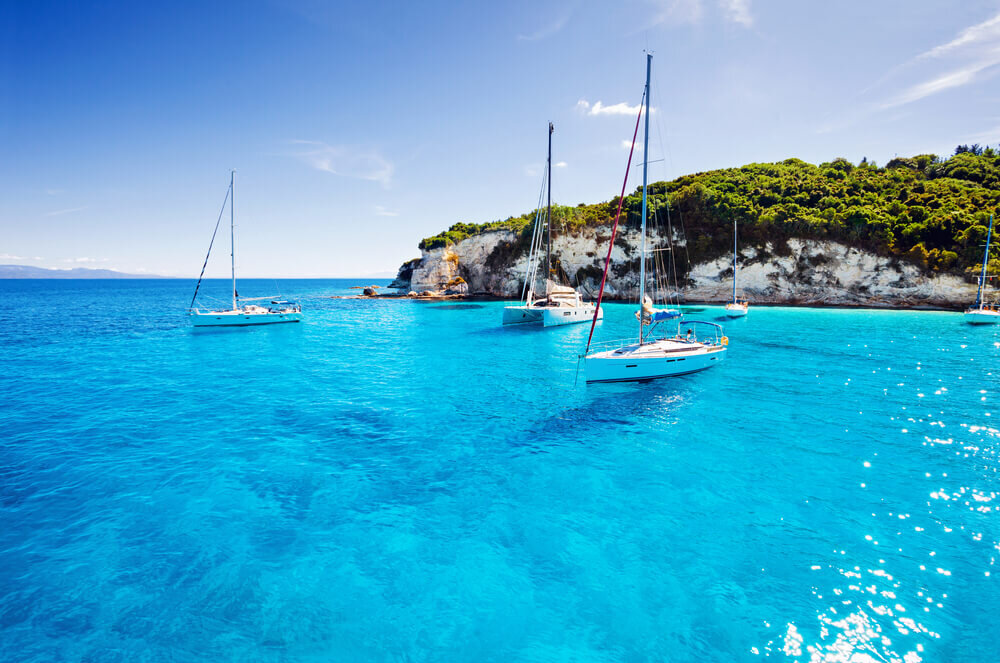
The small island of Antipaxos lies just beyond — known for its crystal-clear lagoons and white pebble beaches that look like they’ve been painted by the gods. Anchor for a swim in Voutoumi Beach, often ranked among the most beautiful in Europe, and enjoy your first evening surrounded by tranquility and stars.
Continue south toward Lefkada (Lefkas), the island of cliffs and emerald bays.
Legend says that the sea god Poseidon created these islands with a stroke of his trident — and the beauty proves it true. Swim at Egremni or Porto Katsiki, two of the most photographed beaches in Greece, and enjoy dinner in a harbor taverna as your yacht rests beneath the stars.
A short sail brings you to Meganisi, a peaceful island untouched by mass tourism.
In Vathy village, wander along the harbor promenade lined with fishing boats and tavernas, or swim in the secluded coves of Agios Ioannis and Barbarezou. This is the place to slow down, savor Greek flavors, and enjoy the gentle rhythm of island life.
Sail south to the legendary homeland of Odysseus — Ithaki.
Every bay here whispers tales from Homer’s Odyssey. Explore Vathy, the island’s charming capital, and wander up to Perachori Village for panoramic views over the Ionian. Ithaki’s timeless aura and natural beauty make it a destination of reflection and peace — where myth meets the sea.
Cruise north along the coast to Preveza, a charming seaside town where Ionian authenticity thrives.
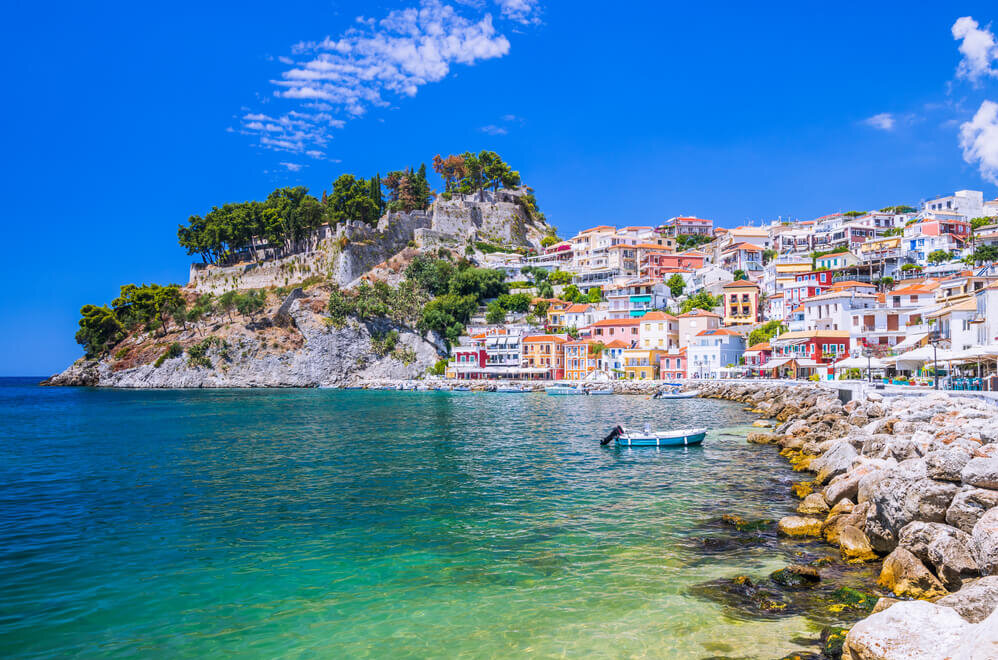
Stroll along its marina and old town, full of neoclassical buildings and lively cafés, or visit nearby ancient ruins like Nikopolis, founded by Augustus Caesar. Preveza’s warm hospitality and tranquil ambiance make it a delightful contrast to the open sea.
Sail to Syvota, often called the “Caribbean of Greece.”
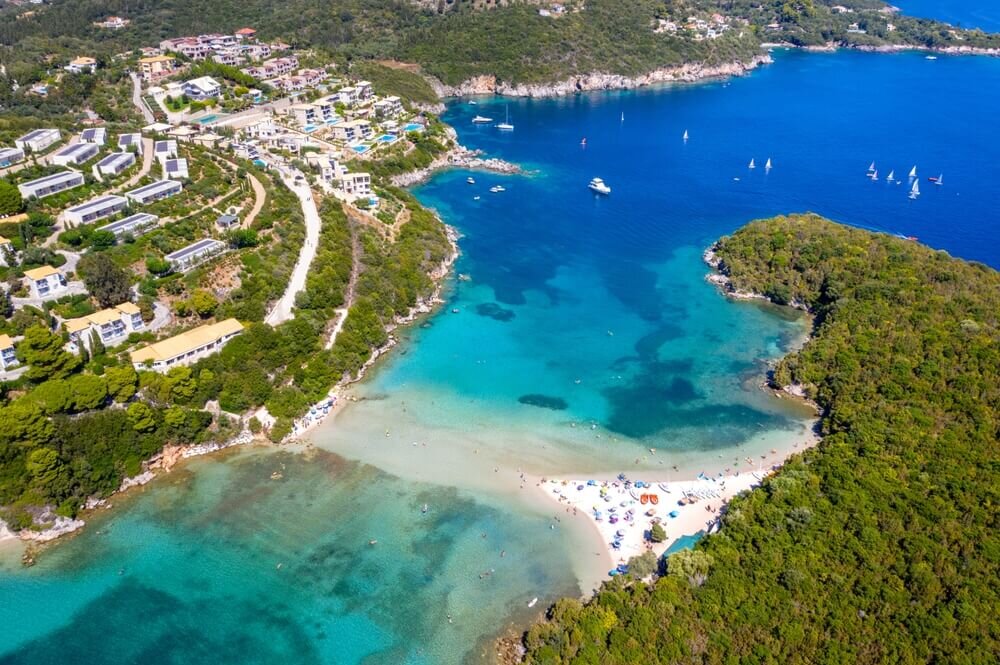
Drop anchor in Bella Vraka or Pisina Bay, two breathtaking spots where nature still reigns supreme. Enjoy dinner ashore with the sound of cicadas and waves as your soundtrack. Anchor in secluded bays for swimming and snorkeling, glide past famous spots like Blue Lagoon and Bella Vraka, and soak in the peaceful Ionian vibes.
Return to Corfu , the island of elegance and heritage.
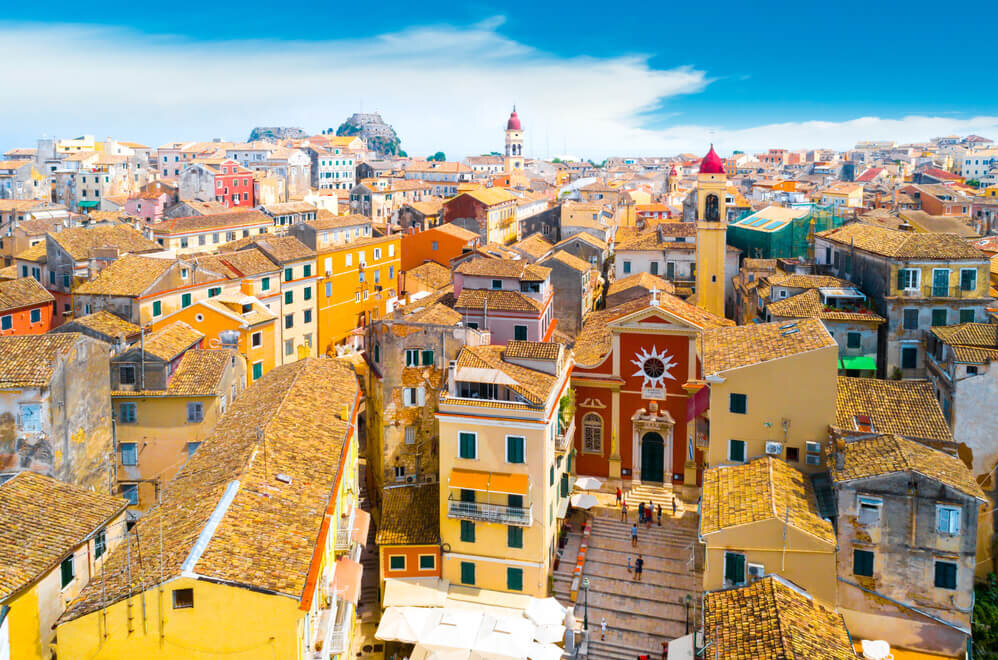
Stroll through Corfu Old Town, a UNESCO World Heritage site, with its Venetian alleys, pastel facades, and lively squares. Relax on a terrace overlooking the Ionian, reliving the week’s memories — turquoise seas, hidden beaches, and the feeling of freedom that only sailing can offer.
—
A Seven days in the Ionian will pass like a dream—Corfu’s golden evenings, Paxoi’s quiet coves, Lefkas’ endless blue. Between wind and water you will find an easy rhythm, shared moments that felt timeless, and left carrying more than memories: a calm that only the sea knows how to give.
7 Days in the Saronic IslandsGreece has been leading the list of sailing world destinations for years. This itinerary, which will take you around the Saronic islands, will help you discover why.
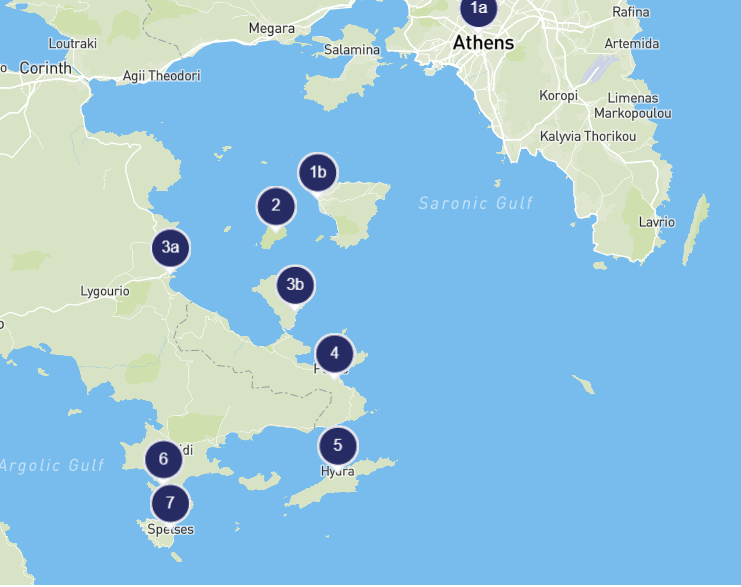
Just an hour from Athens, Aegina is a lovely island with a capital of the same name.
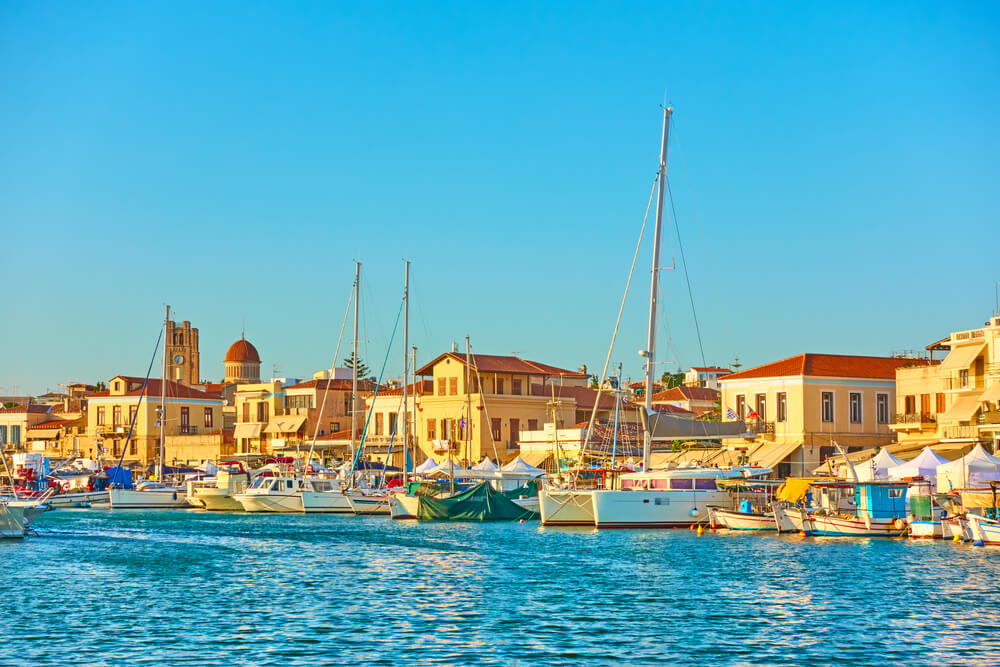
Perdika, the port of Aegina, has beautiful houses with courtyards, stairs sided with flowers, and plenty of delicious fish taverns. If you are lucky, you may even get to see some of the island’s natural inhabitants: wild boar or peacocks! You can also go swimming in the turquoise waters of the Monastery bay! It also has a floating grocery store near the city. Now how often can you see that?
Best for a short day trip, Agistri is a small terrestrial paradise in the Saronic Gulf.
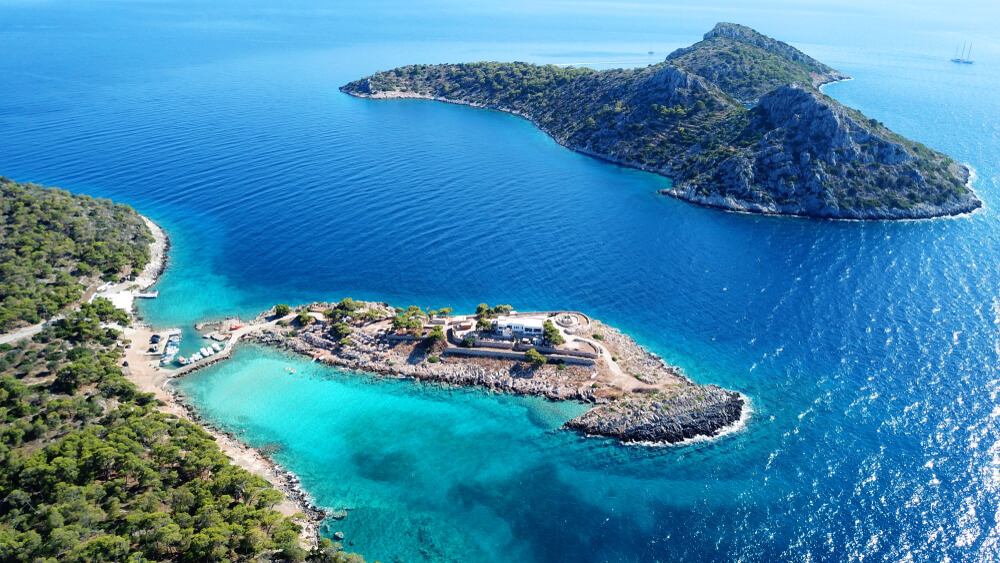
In Agistri, you can find large pine green forests, sandy beaches, and crystal blue waters. Still, there is plenty of nightlife for those who enjoy it. Best for a short day trip, Agistri is a small terrestrial paradise in the Saronic Gulf. Considered the birthplace of entertainment, the theatre, built around 340 to 330 V.C., has perfect acoustics and great beauty thanks to its symmetry.
Methana, a seaside settlement of the Peloponnese, has beautiful beaches and old theatres.
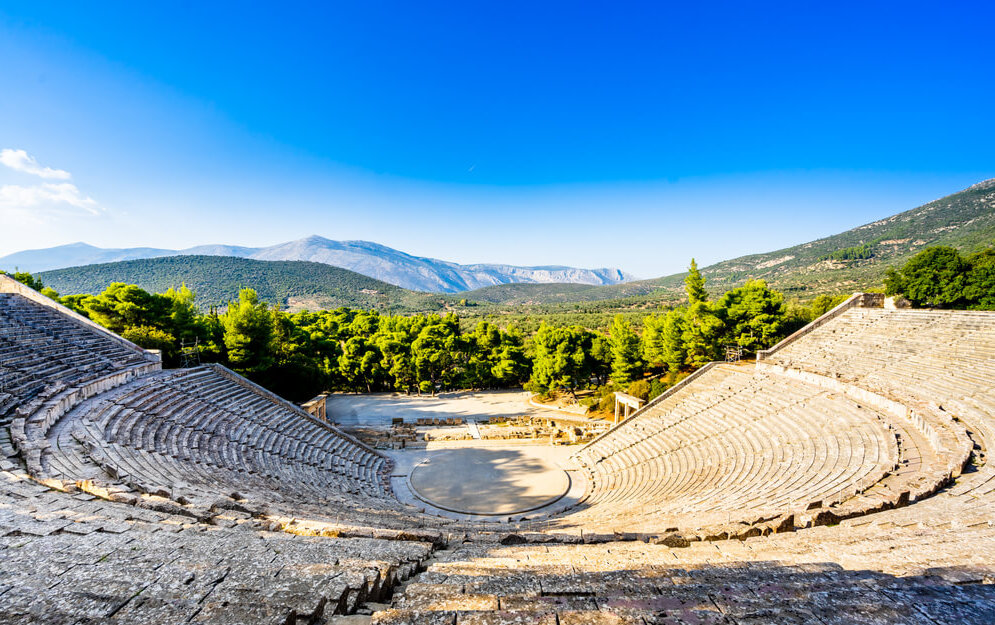
Epidaurus is a place where history and beauty come together in perfect harmony. Famous for its ancient theater, one of the best-preserved in Greece, it’s a site where the past still speaks—literally. The theater’s incredible acoustics allow even a whisper on stage to carry to the very last row, a testament to the ingenuity of its ancient builders.
Poros, also known as the “little Venice” of the Saronic islands, is a tranquil island with many taverns neoclassical buildings, and marinas.
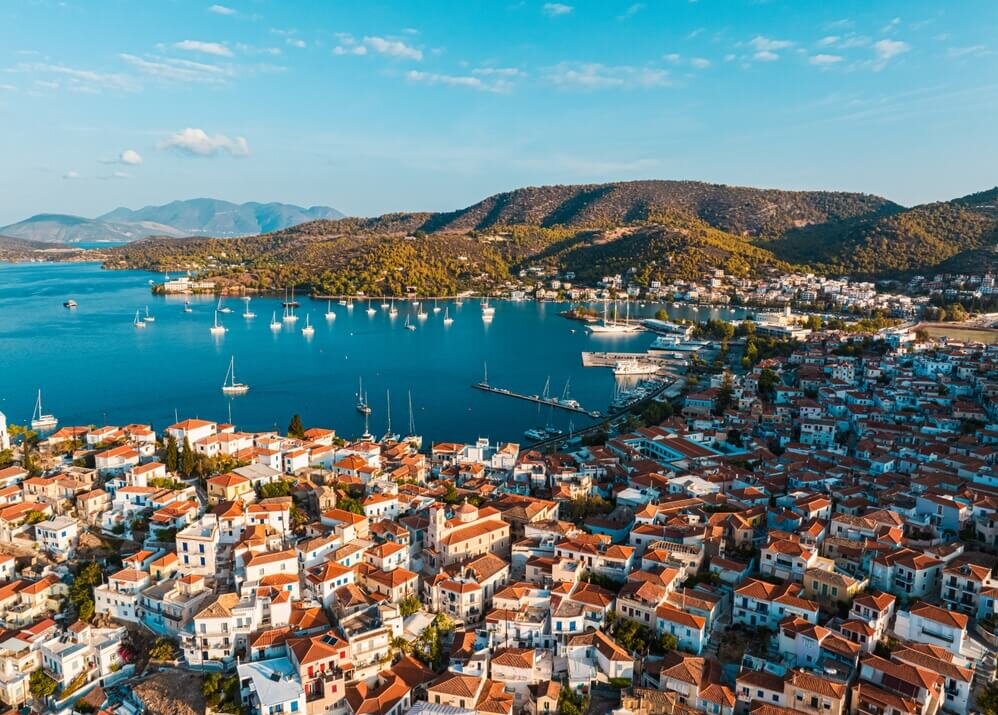
In the evening, there is a very cosmopolitan atmosphere on the island, with plenty of lights, drinks, and music. Chora, the tiny harbor and capital of the island, has its own charm. With neoclassical buildings, narrow streets, and its own lagoon, Chora is a must visit town.
Hydra is one of the most beautiful Greek islands that not only has attracted the wealthy, but also famous artists such as Chagall and Picasso.
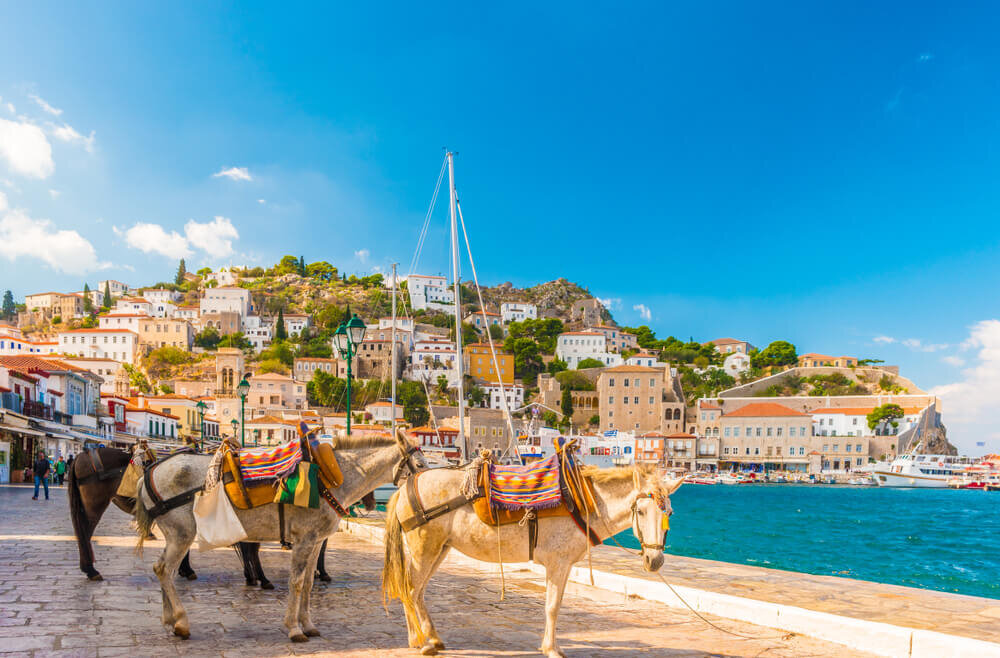
Hydra is pure magic. The city/port is cosmopolitan yet elegant, with 18th-century mansions, old churches, and wells. Life here moves at a gentle rhythm. Mornings begin with coffee by the water, boats drifting lazily in the port, and sunlight bouncing off whitewashed buildings.
Hydra, donkeys aren’t just transport—they’re part of the island’s soul. Meeting a Hydra donkey is a reminder of the island’s timeless pace.
Porto Heli is a cosmopolitan heaven that has it all, from tasteful villas to renowned luxury resorts.
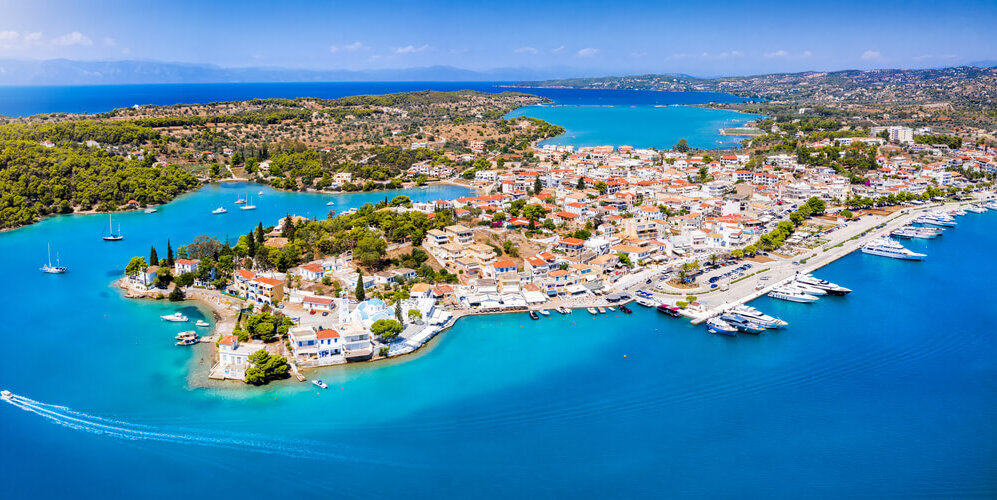
Overlooking the ruins of an ancient city, Porto Heli is also home to plenty of shops, restaurants, and hotels for you to explore. Porto Heli is one of those places that feels effortlessly luxurious without trying too hard. Tucked along the eastern Peloponnese, it’s a laid-back seaside town known for calm turquoise waters, elegant villas, and sunsets that linger a little longer than expected.
Spetses is one of the top travel destinations for tourists all over the world. You can even ride an old wagon and explore the entire island, passing through the Old Port, Agios Nikolaos, and Dapia!
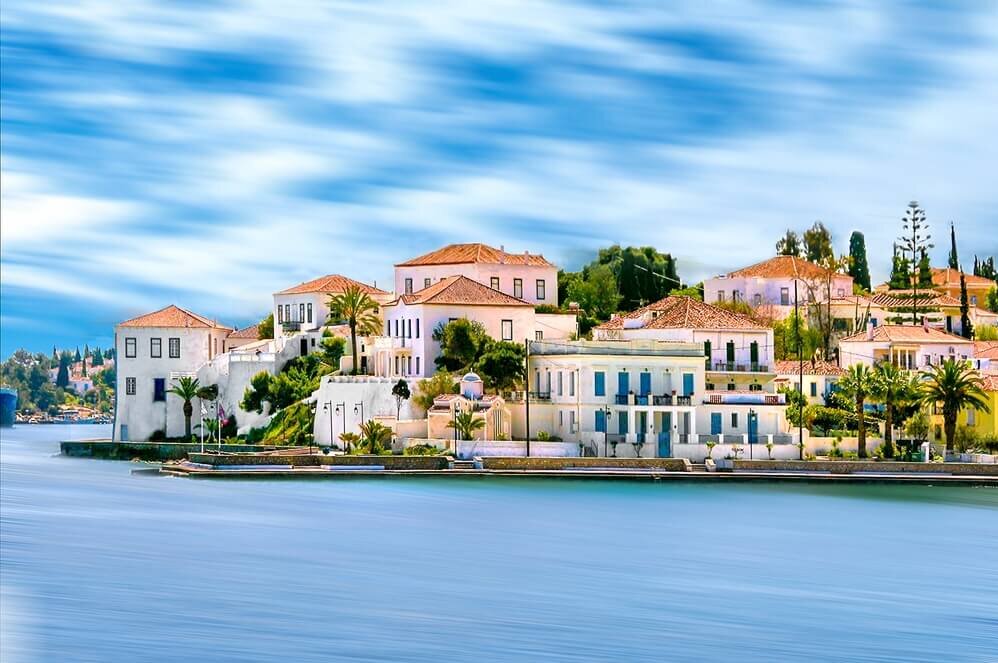
Spetses is one of the top travel destinations for tourists all over the world. You can even ride an old wagon and explore the entire island, passing through the Old Port, Agios Nikolaos, and Dapia! With narrow streets, traditional architecture, neoclassical houses, pebble gardens, and beautiful balconies, Spetses is an island definitely worth exploring. It is also forbidden in Spetses to drive cars, providing a tranquility you’ll hardly find elsewhere.
.–
A catamaran trip in the Saronic Islands is more than just a journey—it’s a chance to relax, enjoy the islands, and soak in the beauty around you. As you step back on land for the last time, you take with you the calm of the sea, the glow of golden sunsets, and the feeling that these islands will always stay in your heart.